Mikhail Bulgakov Books in Order: Complete Bibliography & Best Starting Points
Mikhail Bulgakov's complete bibliography in order — from The Master and Margarita and The Heart of a Dog to The White Guard. Best starting points for new readers.
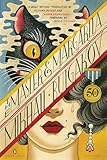
Mikhail Bulgakov is the greatest satirist of Soviet life — a Ukrainian-born doctor turned playwright and novelist who spent most of his career under Soviet censorship, never saw his masterpiece published, and died in 1940 without knowing that The Master and Margarita would eventually be recognised as one of the greatest novels of the twentieth century.
He was born in Kyiv in 1891, trained as a doctor, abandoned medicine for literature in 1920, moved to Moscow, and spent the rest of his life in a Soviet cultural system that banned his plays, suppressed his prose, and employed him, in his later years, as a librettist for the Bolshoi Theatre to keep him from starving. He wrote The Master and Margarita in secret over nearly a decade, knowing it could not be published.
Where to Start
The Heart of a Dog (1925)
The best starting point — a short, savage satire of Soviet ideology in which a Moscow surgeon implants a dead man’s pituitary gland into a stray dog, creating a human-dog hybrid who immediately becomes a model Soviet citizen. Bulgakov’s point is precise: Soviet ideology claimed to create a New Man from unpromising material; what it actually created was the triumph of the lowest human instincts under a veneer of proletarian righteousness. At under 150 pages, it is the most concentrated demonstration of Bulgakov’s satirical method.
The Master and Margarita (1967, written 1930s)
The masterpiece. The Devil visits Soviet Moscow in the 1930s with a retinue of supernatural assistants — a talking black cat, a naked witch, a one-eyed hitman — and exposes the hypocrisy, cowardice, and venality of Soviet cultural life through a series of diabolical performances. Simultaneously, a parallel narrative set in Jerusalem shows Pontius Pilate’s encounter with Yeshua and his act of moral cowardice. The Master, a writer destroyed by Soviet criticism, and Margarita, the woman who loves him, are the love story that holds the satire and the theology together.
One of the great novels of the twentieth century, and among the most entertaining.
The Early Novel
The White Guard (1925)
Bulgakov’s first novel — set in Kyiv in 1918–1919 during the chaos of civil war between the Bolsheviks, the White Army, and Ukrainian nationalist forces. The Turbin family — a military officer and his siblings — represent the intellectual Russian bourgeoisie navigating a world that is being destroyed. The novel is more traditionally realistic than Bulgakov’s later work but is essential for understanding the personal and historical experience that shaped his satirical vision.
Complete Bibliography
| Title | Year | Note |
|---|---|---|
| The White Guard | 1925 | First novel; Kyiv; civil war |
| The Heart of a Dog | 1925 (pub. 1987) | Satire; best starting point; short |
| The Fatal Eggs | 1925 | Satire; science; Soviet utopianism |
| The Master and Margarita | 1967 (written 1930s) | Masterpiece; banned until after death |
| A Country Doctor’s Notebook | 1963 | Autobiographical; early career; medicine |
A Master of Satire and the Fantastic
Mikhail Bulgakov was a master of satire and the fantastic, a Russian writer whose brilliant, inventive fiction combined biting satire with fantastical invention to expose and ridicule the absurdities and oppressions of Soviet life. Bulgakov’s fiction combines biting satire with brilliant fantastical invention, using the resources of fantasy, the supernatural, and the absurd to expose and ridicule the absurdities, hypocrisies, and oppressions of Soviet society. His celebrated masterpiece, in which the devil visits Soviet Moscow, exemplifies this combination, deploying fantastical invention and biting satire to expose the absurdities and oppressions of Soviet life. This mastery of satire and the fantastic is central to Bulgakov’s achievement, for his brilliant, inventive fiction combined biting satire with fantastical invention to expose and ridicule the absurdities and oppressions of Soviet life. His combination of satire and fantasy gives his fiction its distinctive brilliance and its critical power. For readers, Bulgakov offers a master of satire and the fantastic, brilliant and inventive fiction combining biting satire with fantastical invention. A master of satire and the fantastic, Bulgakov combined biting satire with brilliant fantastical invention in his fiction, exposing and ridiculing the absurdities and oppressions of Soviet life.
Art, Power, and the Suppressed Voice
A profound dimension of Mikhail Bulgakov’s work is its engagement with the relationship between art and power, with the suppression of the artist and the artistic voice under a repressive regime, a theme rooted in his own experience of censorship and persecution. Bulgakov wrote under the repressive conditions of the Soviet regime, suffering censorship, suppression, and persecution, and his work is deeply engaged with the relationship between art and power, with the fate of the artist and the artistic voice under a repressive regime that sought to control and suppress them. His fiction explores the suppression of art and truth under tyranny, the persecution of the artist, and the struggle of the creative and truthful voice against the forces of repression and control. This engagement with art, power, and the suppressed voice is central to Bulgakov’s work, for he explored the relationship between art and power and the suppression of the artistic voice under a repressive regime, a theme rooted in his own experience of censorship and persecution. His fiction bears witness to the struggle of art and truth against tyranny and the persecution of the artist. For readers, Bulgakov offers a profound engagement with art, power, and the suppressed voice, the fate of the artist and the artistic voice under a repressive regime. Art, power, and the suppressed voice are a profound dimension of Bulgakov’s work, its engagement with the relationship between art and power and the suppression of the artistic voice under a repressive regime, rooted in his own experience of censorship and persecution.
Good, Evil, and the Endurance of Truth
At the deepest level, Mikhail Bulgakov’s celebrated fiction engages the great questions of good and evil and affirms the endurance of truth, courage, and the human spirit against the forces of tyranny, cowardice, and lies. Bulgakov’s celebrated masterpiece engages, beneath its satire and fantasy, the profound questions of good and evil, of cowardice and courage, of truth and falsehood, and it affirms, against the forces of tyranny and lies, the endurance of truth, courage, and the human spirit. His fiction explores the nature of good and evil, the cost of cowardice and the value of courage, and the ultimate endurance of truth against the forces that would suppress it, affirming that truth and the human spirit endure even under the most repressive tyranny. This engagement with good, evil, and the endurance of truth is central to the depth of Bulgakov’s celebrated fiction, for beneath its satire and fantasy it engages the great moral and spiritual questions and affirms the endurance of truth, courage, and the human spirit against tyranny and lies. His fiction finds, beneath the absurdities and oppressions it satirizes, an affirmation of the enduring power of truth and the human spirit. For readers, Bulgakov offers a profound engagement with good, evil, and the endurance of truth, affirming the endurance of truth, courage, and the human spirit against tyranny and lies. Good, evil, and the endurance of truth are engaged at the deepest level of Bulgakov’s celebrated fiction, which affirms the endurance of truth, courage, and the human spirit against the forces of tyranny, cowardice, and lies.
Reading Order Recommendations
New to Bulgakov: The Heart of a Dog → The Master and Margarita → The White Guard.
Chronological: The White Guard → The Heart of a Dog → The Master and Margarita.
Short introduction: The Heart of a Dog → The Fatal Eggs → The Master and Margarita.
Frequently Asked Questions
What is the best Bulgakov book to start with?
The Heart of a Dog (1925) is the best starting point — it is a short, brilliantly funny satire of Soviet society in which a Moscow surgeon transplants a human pituitary gland and testes into a stray dog, who gradually acquires human characteristics and becomes a menace. At under 150 pages, it demonstrates Bulgakov's satirical method and his ability to use a fantastical premise to devastating comic and political effect. The Master and Margarita is Bulgakov's masterpiece but rewards readers who already understand his satirical method.
What is The Master and Margarita about?
The Master and Margarita (written 1930s, published 1967) interweaves two stories: the Devil (Woland) visiting Soviet Moscow in the 1930s with a retinue of supernatural assistants and exposing the hypocrisy, greed, and cowardice of Soviet cultural life; and a parallel narrative set in Jerusalem, depicting Pontius Pilate's encounter with Yeshua Ha-Nozri (a version of Jesus). In between, the Master — a writer who has written a novel about Pilate and been destroyed by Soviet criticism — is saved by his lover Margarita. The novel is simultaneously a satire, a love story, a meditation on cowardice and courage, and a theological argument.
Why was The Master and Margarita not published until after Bulgakov's death?
Bulgakov wrote The Master and Margarita throughout the 1930s while under close surveillance by Soviet authorities — his earlier work had been banned and his plays suppressed. He understood the novel could not be published in his lifetime and revised it until his death in 1940. His wife Elena Bulgakova preserved the manuscript and finally succeeded in publishing a censored version in 1966–67, twenty-six years after Bulgakov's death. The full, uncensored text appeared in 1973. The novel circulated in samizdat (self-published underground copies) before official publication and was immediately understood as one of the great works of the century.
What is The Heart of a Dog a satire of?
The Heart of a Dog (1925) satirises the Soviet New Economic Policy of the 1920s and the broader project of creating the 'New Soviet Man' — the communist belief that human nature could be fundamentally transformed by changing social conditions. The surgeon Professor Preobrazhensky (whose name means 'transfiguration' in Russian) creates a monster when he tries to improve on nature; the dog-man Sharikov, who has the genetic material of a criminal, immediately aligns himself with the Soviet authorities and becomes their tool. The satire is also directed at a specific type of proletarian Soviet official.


