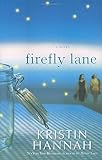
Kristin Hannah is an American author of emotionally driven historical and contemporary fiction whose novels — including The Nightingale and The Women — have made her one of the bestselling authors of her generation.
Kristin Hannah worked as an advertising attorney before becoming a full-time novelist, and the discipline of that earlier career may explain the efficiency and craft of her plotting. She has published over twenty novels, but her trajectory shifted dramatically with The Nightingale in 2015, a WWII novel about two French sisters in the Resistance that became a global phenomenon. Since then she has established herself as the dominant voice in a particular kind of emotionally intense, history-grounded women’s fiction.
Her books share a recognizable emotional architecture: ordinary women in extraordinary circumstances — the Alaskan wilderness in The Great Alone, the Dust Bowl in The Four Winds, the Vietnam era in The Women — making impossible choices while their relationships with family and community are tested to the breaking point. The Nightingale is her most accomplished novel, with the dual-narrative structure clicking into place and the stakes of occupation rendered with genuine historical detail. Firefly Lane and its sequel lean more toward contemporary melodrama, tracking a decades-long female friendship across decades of American life, and the emotional payoff is real even when the plotting feels convenient.
Hannah’s critics are often literary readers who find her work manipulative — she knows exactly which emotional buttons to push and pushes them without apology. That charge is not entirely unfair. Her prose is proficient rather than distinctive, and her historical research sometimes feels more dutiful than lived-in. But for readers who want fiction that takes women’s wartime experience seriously and delivers genuine emotional catharsis, Hannah is difficult to dismiss.
A Master of Emotional Storytelling
Kristin Hannah remains one of the most popular and beloved authors of contemporary fiction, a writer celebrated for sweeping, emotionally powerful novels that explore the lives, loves, and resilience of women, often against dramatic historical backdrops. With a gift for creating characters readers deeply care about and for telling stories that move them to tears, Hannah has built an enormous and devoted readership and become a fixture of the bestseller lists. Her novels combine compelling storytelling, rich emotional depth, and themes of family, sacrifice, and endurance that resonate profoundly with her audience.
The Nightingale
Hannah’s breakthrough to the highest ranks of popular fiction came with The Nightingale, a sweeping World War II novel about two sisters in occupied France and the different forms their courage and resistance take. Combining meticulous historical detail with intense emotional drama, the novel became a massive bestseller and is widely regarded as her masterpiece, beloved for its portrait of women’s heroism and survival in wartime. Its enormous success established Hannah as a leading writer of emotionally powerful historical fiction and brought her work to a vast new readership around the world.
Women at the Centre
A defining feature of Hannah’s fiction is its focus on women’s experiences, relationships, and inner lives. She writes about mothers and daughters, sisters, and friends, exploring the bonds between women and the strength they draw from one another in the face of hardship. Her heroines are complex and resilient, tested by adversity and rising to meet it, and her attention to the often-overlooked courage of ordinary women’s lives gives her novels their emotional core. This celebration of female strength and solidarity is central to her appeal and her connection with readers.
History and Drama
Hannah frequently sets her stories against vivid historical or social backdrops, from World War II to the Vietnam era to the hardships of the American frontier and the Great Depression. She combines thorough research with sweeping narrative drama, using historical settings to heighten the stakes and to illuminate the resilience of her characters. Novels such as The Four Winds and The Women demonstrate her ability to bring difficult historical periods to life through the personal struggles of those who lived through them, blending education with deep emotional engagement.
The Emotional Journey
Above all, Hannah’s novels are designed to move readers profoundly, and she is renowned for the emotional intensity of her storytelling. Her books explore love, loss, sacrifice, and redemption with a directness and depth of feeling that produce a powerful cathartic experience, and readers regularly describe being brought to tears by her work. This unabashed emotional power, combined with her narrative skill and her sympathetic characters, is the heart of her appeal and the reason her readers return to her novels again and again.
A Devoted Readership
Hannah has built one of the most loyal readerships in contemporary fiction, with each new release eagerly anticipated and embraced by fans who treasure the emotional experience her books provide. Her novels are favourites of book clubs and reading communities, generating passionate discussion and word-of-mouth enthusiasm, and her recent works have only widened her audience. This devoted following reflects the deep connection readers feel to her characters and stories, and it has secured her place as one of the most successful women’s fiction authors of her time.
Reading Kristin Hannah Today
Kristin Hannah has established herself as a leading voice in emotionally rich, character-driven fiction, beloved for her sweeping stories of women’s strength and resilience. For newcomers, The Nightingale is the essential starting point, with The Four Winds and The Women offering further examples of her powerful historical fiction and the contemporary Firefly Lane showcasing her gift for stories of friendship. For readers seeking immersive, deeply moving novels with unforgettable heroines and genuine emotional impact, Kristin Hannah is rightly counted among the most satisfying and reliable storytellers writing today.
Reading Guides