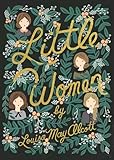
Louisa May Alcott was an American author whose Little Women drew on her own New England childhood to create one of the most beloved coming-of-age stories in American literature.
Louisa May Alcott spent her childhood in concentric circles of New England intellectual and reform culture — her father Bronson Alcott was a Transcendentalist philosopher, and the family’s neighbors included Emerson and Thoreau. That world of serious moral purpose and practical poverty is the direct source of Little Women, published in two parts in 1868 and 1869. Drawing heavily on her own family and her four sisters, Alcott produced a novel that was an immediate commercial success and has never since gone out of print.
Little Women follows the four March sisters — Meg, Jo, Beth, and Amy — from adolescence into early adulthood during the Civil War. What distinguishes it from its contemporaries is Alcott’s refusal to idealize her heroines: each sister has real flaws, real ambitions, and a real interiority that resists the period’s conventions of female virtue and self-effacement. Jo March in particular — impulsive, ambitious, resistant to gender expectations, and based directly on Alcott herself — remains one of the most complex and recognizable heroines in American fiction.
Modern readers will note the novel’s embedded moralism and its period assumptions about women’s proper roles, and the ending — with Jo’s romantic resolution — has been debated since publication, with Alcott herself reportedly unsatisfied with what she felt pressured to write. Still, Little Women endures because it is more interested in its characters’ inner lives than any moralistic framework can fully contain, and because Jo March refuses, even across 150 years, to simply behave.
The Author of Little Women
Louisa May Alcott was an American author who created one of the most beloved and enduring classics of American literature, Little Women. Drawing on her own experiences growing up in a high-minded but impoverished New England family, Alcott wrote with warmth, humour, and emotional honesty about the lives of girls and women, and her portrait of the March sisters has captivated readers for over a century and a half. Though she wrote prolifically across many genres, it is Little Women and its companion novels that secured her lasting fame and her place in the hearts of generations of readers around the world.
Little Women
Little Women follows the four March sisters, Meg, Jo, Beth, and Amy, as they grow from girlhood to womanhood in Civil War-era New England, navigating poverty, ambition, love, loss, and the search for their places in the world. Beloved above all for its vivid characters, especially the spirited, independent, aspiring writer Jo March, the novel combines domestic warmth with genuine emotional depth and a quietly progressive vision of female possibility. Its blend of humour, sentiment, and moral seriousness struck an immediate chord, and it has remained a cherished classic, continuously in print and endlessly adapted.
Jo March, a Heroine for the Ages
The enduring heart of Little Women is Jo March, one of the most beloved and influential heroines in all of literature. Tomboyish, passionate, ambitious, and determined to become a writer, Jo broke the mould of the conventional nineteenth-century heroine, and her struggle to reconcile her independence and creative ambition with the expectations placed on women has inspired countless readers. Widely understood to be based on Alcott herself, Jo has been cited by many writers and women as a formative inspiration, and her vivid, rebellious individuality is central to the novel’s lasting power and appeal.
A Pioneering Vision
Alcott’s work was quietly pioneering in its treatment of girls and women. She took the inner lives, ambitions, and moral development of young women seriously, portraying heroines who valued independence, work, and self-expression alongside love and family. Influenced by the progressive and reformist ideals of her family and her New England milieu, including abolitionism and early feminism, Alcott infused her domestic fiction with a vision of female capability and aspiration that was notable for its time. This quietly progressive spirit gives her work a depth and a relevance that have helped it endure.
Warmth and Emotional Truth
The lasting appeal of Alcott’s fiction lies in its warmth, humour, and emotional truth. Little Women and its sequels engage real feelings of love, grief, ambition, jealousy, and belonging, and they do not shy away from hardship, sacrifice, or sorrow, including one of the most famous and affecting deaths in literature. This emotional honesty, balanced by humour, warmth, and a fundamental moral generosity, gives Alcott’s work its enduring power to move readers, and it explains why her stories continue to be cherished and rediscovered by new generations.
Beyond Little Women
Although Little Women defines her reputation, Alcott was a prolific and versatile writer who produced sequels such as Little Men and Jo’s Boys, other novels and stories for young readers, and, more surprisingly, a body of sensational thrillers published under a pseudonym. This lesser-known sensational fiction, full of passion, intrigue, and strong-willed heroines, reveals a different and more daring side of her talent. Together with her beloved family novels, this varied output demonstrates the range of a writer often remembered only for her most famous and most wholesome creation.
Where to Begin with Louisa May Alcott
Louisa May Alcott’s influence on children’s and women’s literature is profound, and Little Women remains one of the most beloved and widely read American novels ever written, its heroine Jo March an enduring inspiration. For newcomers, Little Women is the essential starting point and the gateway to its sequels, while her sensational fiction offers a fascinating alternative for the curious. For readers seeking warm, humorous, and emotionally rich fiction that takes the lives and ambitions of young women seriously, Louisa May Alcott is a cherished and enduring author.
Where to Read Next
Eight Cousins and An Old-Fashioned Girl make rewarding next steps for anyone who has enjoyed the major works.
Reading Guides