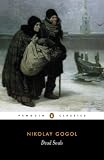
Nikolai Gogol was a Russian (Ukrainian-born) writer whose comic, grotesque, and uncanny fiction — including Dead Souls and the immortal short story The Overcoat — laid the foundations of modern Russian literature and influenced Dostoevsky, Kafka, and countless others.
Nikolai Gogol was born in Ukraine and made his name in St. Petersburg with stories blending folklore, comedy, satire, and the supernatural. His “Petersburg tales,” above all The Overcoat (1842), combined biting social comedy with profound compassion for society’s humblest figures, and exerted an incalculable influence on the Russian writers who followed — “we all came out from under Gogol’s Overcoat,” runs the famous tribute.
His comic play The Government Inspector and his great unfinished novel Dead Souls satirized the corruption, vanity, and absurdity of Russian provincial life with a grotesque, fantastical energy entirely his own. Gogol’s work fuses laughter and pathos, realism and the uncanny, in a manner that anticipated modernism and shaped the entire tradition of Russian fiction.
Increasingly tormented by religious anxiety, Gogol burned part of the second volume of Dead Souls and died in 1852. His strange, singular genius remains foundational to world literature.