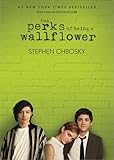
Stephen Chbosky is an American novelist and filmmaker whose The Perks of Being a Wallflower has become a defining coming-of-age novel for multiple generations of teenage readers.
Stephen Chbosky is primarily known as the author of a single novel — The Perks of Being a Wallflower — which he published in 1999 while working in Hollywood as a screenwriter. The novel is structured as a series of letters written by Charlie, a fifteen-year-old starting high school after a difficult year, to an unnamed “friend.” Charlie is smart, sensitive, and damaged in ways the novel slowly reveals, and his voice — earnest, observant, occasionally heartbreaking — has resonated with readers across twenty-five years and multiple generations.
The book’s sustained popularity is not difficult to understand. It captures the specific texture of adolescent experience — the intensity of new friendships, the discovery of music and literature, the bewildering navigation of family dysfunction and personal trauma — with a directness and emotional honesty that many readers encounter in their teens and never forget. Its references (The Smiths, The Rocky Horror Picture Show, The Catcher in the Rye) are period-specific but the emotions are not. Chbosky also handles the novel’s more serious content — sexual abuse, suicide, mental illness — with care, depicting their consequences rather than using them for cheap effect.
The Perks of Being a Wallflower has been challenged and removed from school curricula in various districts due to its frank content, which is a consistent feature of genuinely honest books about teenage experience. Chbosky adapted it himself into a 2012 film that received warm reviews and stayed closer to the novel’s spirit than most YA adaptations. His second novel, Imaginary Friend (2019), is a very different project — a long, ambitious horror novel — which suggests he has more range than the success of his first book might indicate. But Wallflower is the book that matters, and it matters a great deal.
Reading Guides