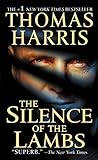
Thomas Harris is an American thriller novelist who created Hannibal Lecter — the most memorable villain in modern crime fiction — in Red Dragon, The Silence of the Lambs, and Hannibal.
Thomas Harris changed the landscape of crime fiction with Red Dragon, published in 1981, which introduced both the profiler Will Graham and — in a supporting role — the imprisoned psychiatrist and cannibal Hannibal Lecter. But it was The Silence of the Lambs, seven years later, that transformed both Lecter and Harris into cultural phenomena. The novel — in which FBI trainee Clarice Starling seeks Lecter’s help in catching a serial killer called Buffalo Bill — is a masterpiece of the genre: tightly structured, deeply unsettling, and animated by a central dynamic between Clarice and Lecter that is simultaneously intellectual, predatory, and strangely intimate.
Hannibal, the third novel, is more divisive. The villain has become the protagonist, the horror is more operatic and grotesque, and the ending remains deeply controversial among readers who felt Harris had betrayed the character of Clarice. The novel is brilliant in places and excessive in others, and it works better as a dark fantasy about aestheticized evil than as a continuation of what The Silence of the Lambs established. Harris writes with a procedural precision that grounds even his most baroque material, and his ear for detail — the FBI profiling technique, the entomology, the geography — gives the books a texture that elevates them above conventional thriller territory.
The Silence of the Lambs is essential. Red Dragon is nearly as good, and often underrated relative to it. Both reward rereading.
Reading Guides