Where to Start with Ali Hazelwood: A Reading Guide
Where to start with Ali Hazelwood — whether to begin with The Love Hypothesis, Love on the Brain, or Check and Mate. A complete reading guide to the STEM romance novelist.
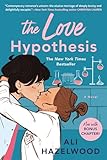
Ali Hazelwood is the pen name of an Italian-born neuroscientist and academic whose debut novel The Love Hypothesis (2021) went viral on BookTok and became a New York Times bestseller — launching a career writing STEM romance fiction that is notable for its authentic academic settings, its female protagonists in scientific professions, and its slow-burn enemies-to-lovers or fake-dating plots. Hazelwood writes contemporary romance grounded in the specific textures of academic life: PhD programmes, grant applications, conference rivalries, lab hierarchies, and the particular pressures on women in male-dominated STEM fields. Her fiction combines the satisfying emotional structure of romance with a genuine knowledge of how research institutions work.
Where to Start: The Love Hypothesis (2021)
The essential Hazelwood — and the novel that created the STEM romance genre as a BookTok category. Olive Smith is a third-year biology PhD student who, to convince her best friend that she has moved on from a crush, impulsively kisses the nearest person in the corridor — who turns out to be Adam Carlsen, a famously demanding, famously intimidating assistant professor who rarely smiles and has made multiple graduate students cry.
Carlsen agrees to a fake-dating arrangement (he has his own reasons for needing the appearance of a relationship). The novel follows the predictable arc of fake dating becoming real with efficiency and warmth — Hazelwood understands that the emotional satisfaction of the genre comes from accumulating evidence that the hero is trustworthy, and she provides this evidence methodically: Carlsen is consistently respectful, consistently protective, and consistently, privately awed by Olive in a way she cannot quite believe.
What distinguishes the novel from its many imitators is Olive’s scientific work. The pressure of her dissertation research — the funding insecurity, the imposter syndrome, the specific dynamics of advisor relationships — is rendered with authority. The romance exists within a world that feels real.
Love on the Brain (2022)
Hazelwood’s second novel — Bee Königswasser, a neuroengineer, is forced to work with Levi Ward on a NASA brain-helmet project. She is certain he hates her; she hates him back. The enemies-to-lovers structure is familiar from The Love Hypothesis but the NASA setting gives it a different energy, and Bee is a sharper and funnier narrator than Olive. The romantic resolution requires some suspension of disbelief about how long the central misunderstanding is sustained, but readers who enjoyed the debut will find this equally satisfying.
Check & Mate (2023)
Hazelwood’s YA romance — set in the world of competitive chess rather than academic science. Mallory Greenleaf is a former prodigy who walked away from chess at seventeen; returning to competition means confronting Nolan Sawyer, the world’s top-ranked player she once beat in a casual game. The chess world is depicted with genuine knowledge and affection; the romance is slower and less intense than the adult novels, appropriate to the younger audience. A strong entry point for teenage readers; adult fans of the earlier books may find it slightly less satisfying by comparison.
Why The Love Hypothesis Is the Ideal First Book
For a reader new to Ali Hazelwood, The Love Hypothesis is the ideal first book because it is her breakout phenomenon and the fullest expression of her distinctive gifts, the witty, warm contemporary romance, the STEM settings, and the swoony fake-dating and slow-burn dynamics. The Love Hypothesis follows a graduate student who impulsively pretends to date a notoriously grumpy professor, only for their fake relationship to develop into something real, in a charming, funny, and heartfelt academic romance. As an entry point it is ideal, for it is her most famous work and a perfect example of her smart, swoony, STEM-set romance. It welcomes the newcomer with its endearing characters, its witty banter, and its irresistible romance, drawing the reader into her beloved contemporary romance. It is her defining work and the one that best represents her gifts, so the new reader encounters Hazelwood at her most characteristic. For the newcomer, then, The Love Hypothesis is the natural and ideal starting point.
What to Expect as a New Reader
As a new reader, you can expect The Love Hypothesis to be a witty, warm, and swoony contemporary romance. You can expect a STEM setting, for the novel is set in the world of academic science, with a graduate-student heroine, a hallmark of Hazelwood’s romances. You can expect beloved tropes, for the novel features fake dating and a slow burn between a sympathetic heroine and a grumpy, secretly devoted hero. You can expect witty banter, for the dialogue is sharp, funny, and charming. You can expect a warm, heartfelt romance with emotional payoff. You can expect an endearing heroine and a satisfying, feel-good arc. You should expect some mature romantic content. You can expect a smart, fun, and irresistible read. Expect, in short, a witty, warm, and swoony contemporary romance, a delightful introduction to Hazelwood’s gifts.
Going Deeper After Your First Book
Once The Love Hypothesis has introduced you to Hazelwood’s gifts, the reader who wishes to go deeper can explore her other novels, which continue her witty, warm, STEM-set contemporary romances, full of swoony dynamics and beloved tropes. Her other books follow heroines in science and academia through fake-dating, rivals-to-lovers, and slow-burn romances, each marked by her sharp banter, emotional warmth, and feel-good charm, while her shorter works and novellas offer more of the same. Reading these after The Love Hypothesis deepens your appreciation of Hazelwood’s distinctive gifts, the witty contemporary romance, the STEM settings, and the swoony dynamics. Her characteristic strengths run through her work, and the reader charmed by The Love Hypothesis will find them across her novels. Building your reading journey through Hazelwood is a matter of following her romances from The Love Hypothesis into her other novels. The reader who begins here will find one of the most popular authors of witty, STEM-set contemporary romance to follow.
Reading Ali Hazelwood
Begin with The Love Hypothesis — it is Hazelwood’s most accomplished novel and the best introduction to her academic romance formula. Read Love on the Brain as a companion for more of the same with a different setting. Check & Mate is best read by younger readers or by those curious about her YA work. All books are standalone.
Ali Hazelwood Books in Order →
For the full Ali Hazelwood bibliography, reviews, and biography, visit the Ali Hazelwood author page on Editors Reads.
Affiliate disclosure: Links to Amazon on this page are affiliate links. We earn a small commission at no extra cost to you.
Frequently Asked Questions
Where should I start with Ali Hazelwood?
The Love Hypothesis (2021) is the most widely recommended starting point — the novel that launched Hazelwood to international attention after it went viral on BookTok. A biology PhD student impulsively kisses a notoriously stern professor to convince her friend she has moved on, setting off a fake-dating arrangement that becomes real. It is Hazelwood's most polished and most emotionally satisfying novel, and the one that established the formula she has refined since: STEM heroines, enemies-to-lovers or fake-dating plots, and a slow-burn romance structured around academic or scientific settings.
What is Love on the Brain about?
Love on the Brain (2022) follows Bee Königswasser, a neuroengineer, who is assigned to co-lead a NASA-funded brain-helmet project with her supposed nemesis Levi Ward — a man she has despised for years and believes despises her back. The enemies-to-lovers structure mirrors The Love Hypothesis but the scientific setting (NASA rather than university biology) gives it a different texture. The miscommunication that sustains the conflict is somewhat stretched, but the central romance is engaging and the NASA backdrop is well-used.
What is Check and Mate about?
Check and Mate (2023) is Hazelwood's YA novel — aimed at a younger readership than her adult romances. Mallory Greenleaf quit competitive chess at seventeen after unexpectedly beating the world's top-ranked player Nolan Sawyer. Two years later, a family financial crisis forces her back into competition and back into Nolan's orbit. The chess world is rendered with genuine enthusiasm; the romance is slower-burning than the adult books and somewhat less steamy, appropriate to the YA format.
Do Ali Hazelwood's books need to be read in order?
No — all of Hazelwood's novels are standalone and can be read in any order. There are no continuing characters or overarching plots between books. Some novels share minor supporting characters, but not in ways that require prior reading. Start with The Love Hypothesis for the most representative experience.