Where to Start with Viola Davis: A Reading Guide
Where to start with Viola Davis — how to approach Finding Me, her essential memoir of poverty, trauma, shame, and extraordinary achievement. A complete reading guide.

Viola Davis (born 1965) is an American actress who became the first Black woman to achieve EGOT status — Emmy, Grammy, Oscar, and Tony awards — through roles in How to Get Away with Murder, Fences, and Ma Rainey’s Black Bottom, among others. Finding Me (2022) is her memoir, and it is significantly more honest and more harrowing than the genre typically produces.
Where to Start: Finding Me (2022)
The essential Davis — and one of the most emotionally courageous memoirs of recent years. Finding Me opens with an image that functions as the memoir’s thesis: a child running from an outhouse on a dirt road in Central Falls, Rhode Island, being chased by rats. This is not metaphor. Davis grew up in conditions of material deprivation — hunger, rodent infestation, broken heat, a father who was addicted and sometimes violent, a house that embarrassed her so thoroughly that she would walk miles out of her way to avoid classmates seeing where she lived — that most celebrity memoirs treat with aesthetic distance, if they acknowledge them at all.
Davis does not distance herself. She renders the childhood in the specific language of what it felt like: hunger as a physical constant, the shame of dirty clothes at school, the social exclusion that poverty produces in children long before they have words for class. The specificity is both the memoir’s greatest strength and its most challenging quality — these sections are almost unbearable to read, not because they are performed but because they are not.
The memoir’s most important contribution to the literature of poverty and survival is its sustained examination of shame. Davis argues that the material conditions of her childhood were damaging but survivable; the shame those conditions produced — the internalised belief that she was less than, that she did not deserve, that her existence was evidence of inadequacy — lasted decades longer than the poverty itself. She is honest that the EGOT achievement — the Emmy, Grammy, Oscar, and Tony that made her the first Black woman to achieve the distinction — did not cure the shame. The achievement happened; the shame was still there. The healing, to the extent it has come, came from different work.
Acting was the first thing that gave Davis an experience of being seen as a full human being rather than a charity case. She discovered it as a child and trained at Juilliard, and the memoir is also a love letter to the craft — to what it means to live truthfully in imaginary circumstances when the truth of your actual circumstances was something you spent years trying to hide. Her passion for the work is rendered with genuine understanding, not as career strategy but as necessity.
Why Finding Me Is the Ideal First Book
For a reader new to Viola Davis as an author, Finding Me is the ideal and essential first book because it is her singular work, a memoir of remarkable honesty and power that recounts her journey from poverty to the heights of her profession. Finding Me tells the story of Davis’s life, from a childhood of severe poverty and hardship to her emergence as one of the most acclaimed actors of her generation, told with searing honesty, emotional depth, and hard-won wisdom. As an entry point, it is the natural and only place to begin, for it is Davis’s defining and sole book, the candid memoir that recounts her remarkable journey. It welcomes the newcomer with its powerful life story, its searing honesty, and its emotional depth, drawing the reader into an extraordinary journey of struggle and triumph. It is her singular work and the fullest expression of her story, so that the new reader encounters Davis directly. For the newcomer, then, Finding Me is the natural and ideal starting point, the searingly honest memoir of her journey from poverty to acclaim.
What to Expect as a New Reader
As a new reader, you can expect Finding Me to be a searingly honest and emotionally powerful memoir, recounting an extraordinary journey from severe poverty to acclaim. You can expect a powerful life story, for the memoir traces Davis’s journey from a childhood of severe poverty, hardship, and trauma to her emergence as one of the most acclaimed actors of her generation. You can expect searing honesty, for Davis confronts the painful realities of her childhood and her struggles with unflinching candor, refusing to soften or sentimentalize her experience. You can expect emotional depth and hard-won wisdom, for the memoir reflects on the forces that shaped her, the obstacles she overcame, and the long work of finding and claiming her own identity and worth. You should be aware that the memoir confronts difficult realities, including poverty and trauma, handled with honesty. You can expect an inspiring story of resilience, struggle, and triumph. Expect, in short, a searingly honest and emotionally powerful memoir of a journey from poverty to acclaim, a moving introduction to Davis’s story.
Going Deeper After Your First Book
Once Finding Me has told you Davis’s story, there is, within her published work, no further book to turn to, for it is her singular memoir, the candid account on which her reputation as an author rests, and it stands complete and self-sufficient. The reader who has been moved by Finding Me and wishes to go deeper into the experiences it recounts, the realities of severe poverty, the struggle to overcome trauma and find one’s worth, and the journey to success against great odds, might turn to other memoirs of resilience and triumph, reading in the light of the honesty and power that Davis’s memoir offers. Such reading can complement the experience of Finding Me and broaden your sense of these journeys. Within Davis’s own work, however, Finding Me is the whole, the single searing memoir that recounts her extraordinary journey. Building your reading journey from Finding Me is a matter of carrying its honesty and inspiration into the wider literature of memoir and resilience. The reader who begins and ends with Finding Me will have encountered a searingly honest and inspiring memoir, complete in itself.
Reading Viola Davis
Finding Me is Davis’s only book. It stands alone and requires no prior reading.
For the full Viola Davis bibliography, reviews, and biography, visit the Viola Davis author page on Editors Reads.
Affiliate disclosure: Links to Amazon on this page are affiliate links. We earn a small commission at no extra cost to you.
Frequently Asked Questions
Where should I start with Viola Davis?
Finding Me (2022) is Davis's only book — a memoir of extraordinary emotional courage that recounts a childhood of severe poverty, hunger, abuse, and shame in rural Rhode Island with a specificity that most celebrity memoir avoids, and then traces the decades it took to build a self that could hold that history without being destroyed by it. One of the most honest accounts of what poverty actually feels like, and of what it costs to survive it.
What is Finding Me about?
Finding Me traces Davis's life from a childhood of crushing poverty in Central Falls, Rhode Island — hunger, rodent infestation, a home she was ashamed of, a father who was addicted and sometimes violent — through her discovery of acting as a survival tool, her training at Juilliard, her rise through New York theater and Hollywood, and her EGOT achievement. The memoir's central subject is not success but shame: the internalized belief, formed in poverty, that she was less than, which lasted long after the poverty itself had ended.
Is Finding Me only for fans of Viola Davis?
Finding Me is for anyone interested in honest memoir, in the psychology of poverty and shame, or in what it actually costs to build a career and a self from a starting point of profound deprivation. Davis is a better writer than most celebrity memoirists, and the honesty of the childhood chapters — which are more specific and more harrowing than celebrity memoir typically attempts — makes the book valuable independently of any prior knowledge of or interest in her career.
What should I read after Finding Me?
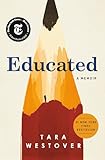
After Finding Me, Tara Westover's Educated covers the parallel experience of building a self through education in the face of a chaotic and damaging origin. Trevor Noah's Born a Crime provides a different angle on childhood poverty and the role of intelligence in escaping it. Chanel Miller's Know My Name is a similarly courageous memoir of trauma and the process of reclaiming oneself in its aftermath.