Wuthering Heights vs Jane Eyre: Which to Read First?
Wuthering Heights and Jane Eyre are the two great Brontë novels. Here's how they differ, what each does best, and which to read first.
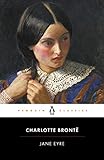
The Brontë sisters produced two of the most enduring novels in English, published within months of each other in 1847, and readers love to compare them: Charlotte Brontë’s Jane Eyre and Emily Brontë’s Wuthering Heights. Both are passionate, gothic, set against the wild Yorkshire moors, and built around a brooding romantic hero — yet they could hardly be more different in spirit. Here is how the two compare.
Quick Comparison
| Jane Eyre | Wuthering Heights | |
|---|---|---|
| Author | Charlotte Brontë | Emily Brontë |
| Published | 1847 | 1847 |
| Narrator | Jane, in first person | Multiple, nested narrators |
| Hero | Mr Rochester | Heathcliff |
| Tone | Moral, romantic, hopeful | Savage, obsessive, tragic |
| Read first? | Yes | Second |
Jane Eyre in Brief
Jane Eyre follows its plain, poor, fiercely principled heroine from a cruel childhood through her work as a governess at Thornfield Hall, where she falls for her enigmatic employer, Mr Rochester — and discovers the terrible secret he is hiding. Narrated by Jane herself, it is a moral and emotional coming-of-age about dignity, independence, and love on equal terms, with one of literature’s most beloved and quietly revolutionary heroines. It is romantic, gothic, and ultimately hopeful.
What Happens in Wuthering Heights
Wuthering Heights tells, through a series of nested narrators, the story of Heathcliff — a foundling raised at the isolated moorland farmhouse of the title — and his consuming, destructive love for Catherine Earnshaw. Spanning two generations, it is a savage, almost feral novel of obsession, cruelty, and revenge, with few sympathetic characters and a structure that loops through time. Wild and unsettling, it was shocking in its day and remains the more challenging, divisive of the two masterpieces.
Where They Part Ways
One key difference is tone and hope. Jane Eyre is fundamentally a moral, redemptive story — its heroine suffers but grows, and the novel believes in dignity and love. Wuthering Heights is bleak and amoral, a study of passion that destroys everyone it touches. One uplifts; the other devastates.
Another is structure. Jane Eyre is a clear, linear, first-person narrative — easy to follow and deeply intimate. Wuthering Heights uses nested, unreliable narrators and a fractured timeline, demanding more of the reader. Charlotte invites you in; Emily makes you work.
A third is the romantic hero. Rochester is flawed but ultimately redeemable, and his love for Jane is transformative. Heathcliff is a force of nature — magnetic, cruel, and irredeemable — and his bond with Catherine is less romance than mutual destruction. Your appetite for darkness may decide which you prefer.
Which to Start With
Read Jane Eyre first. Its clear first-person narration, satisfying arc, and warmer spirit make it the more accessible and welcoming introduction to the Brontës and to the Victorian novel generally. Reading it first builds your footing before you tackle the stranger, more demanding book.
Read Wuthering Heights second, when you are ready for its difficulty and its darkness. It is the more divisive novel — some readers find it the greater work, others struggle with its unlikeable characters — but it rewards patience with an elemental power unlike anything else in English fiction.
A Note on the Gothic Tradition
Both novels are pillars of the gothic, and reading them together is a fine way to understand what that tradition can do: the brooding houses, the wild landscapes, the buried secrets, the romance shadowed by dread. Jane Eyre uses gothic machinery in service of a hopeful moral vision; Wuthering Heights lets the gothic consume everything. Readers who fall for this mood often go on to the wider canon — from Daphne du Maurier’s Rebecca, which owes an enormous debt to Jane Eyre, to the modern gothic revival. The Brontës are the gateway to it all, and few reading journeys are as rewarding as following the thread from these two 1847 masterpieces out into the centuries of gothic fiction they helped inspire.
What Comes Next
Once you have read both, our best gothic novels roundup gathers more brooding, atmospheric classics and modern heirs, and our best classic novels about women guide points to more landmark heroines in the tradition Jane Eyre helped define.
When readers ask us, we say: read Jane Eyre first for the hopeful, accessible masterpiece, then Wuthering Heights for the wild, devastating one — and you will have read the two greatest novels the Brontës gave us.
Frequently Asked Questions
Should I read Wuthering Heights or Jane Eyre first?
Read Jane Eyre first. It is the more accessible of the two, with a clear first-person narrative and a satisfying, redemptive arc, making it the gentler introduction to the Brontës. Wuthering Heights is wilder, darker, and structurally more challenging, so it rewards reading second, when you are ready for its stranger, more difficult brilliance.
Which is better, Wuthering Heights or Jane Eyre?
Both are masterpieces and opinion is famously divided. Jane Eyre is more beloved and accessible — a moral, romantic coming-of-age with an unforgettable heroine. Wuthering Heights is more daring and divisive, a savage story of obsessive love with no likeable characters. Jane Eyre wins on warmth and craft of narrative; Wuthering Heights on raw, elemental power.
Are Wuthering Heights and Jane Eyre similar?
They were written by sisters and published in the same year (1847), and both are passionate gothic novels set on the windswept moors with brooding romantic heroes. But they differ sharply: Jane Eyre is a hopeful, first-person moral journey, while Wuthering Heights is a dark, multi-narrator tale of destructive, doomed obsession.

