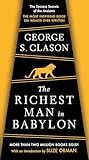
George S. Clason was an American author whose personal finance classic The Richest Man in Babylon uses ancient Babylonian parables to teach timeless principles of wealth-building.
George S. Clason published a series of pamphlets on financial thrift in the 1920s, distributing them through banks and insurance companies, and the most enduring of them were collected in 1926 into The Richest Man in Babylon. The book uses the setting of ancient Babylon to present a series of parables about financial wisdom — saving at least a tenth of all earnings, making money work for you, guarding against loss, investing in knowledge — lessons delivered through characters in a voice that mimics translated scripture. The archaic cadence was a deliberate choice and has proven surprisingly effective at making simple advice feel weighty and memorable.
The core principles Clason advances — pay yourself first, avoid debt, invest conservatively, build skills — are as sound now as they were in the 1920s, and the parable format makes them accessible to readers who might find a straightforward financial guide dry. The Richest Man in Babylon has been recommended by financial advisors and self-improvement writers for generations, and its advice on compounding and consistent saving holds up well against contemporary personal finance thinking.
The limitations of the book are those of its era and format: the advice is general and does not engage with specific financial instruments, tax structures, or the structural inequalities that make some of the prescriptions more achievable for some readers than others. The writing also requires tolerance for its deliberately antiquated style. But as a foundational text in personal finance — readable in an afternoon and genuinely instructive — it has earned its longevity.
Reading Guides