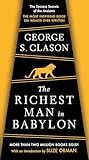
Editors Reads Verdict
Nearly a century old and still the most memorable introduction to personal finance ever written. The parable format makes its principles — pay yourself first, live below your means, seek wise counsel — genuinely sticky.
What We Loved
- The parable format makes financial principles memorable and emotionally engaging
- The core principles (pay yourself first, avoid debt, invest wisely) are timeless
- Extremely short — can be read in an afternoon
- The Babylonian setting provides useful distance for absorbing uncomfortable truths
Minor Drawbacks
- The archaic language can be off-putting for modern readers
- The financial advice is broad principles rather than specific tactics
- Some parables are stronger than others
Key Takeaways
- → Pay yourself first: set aside at least 10% of all you earn before any other spending
- → Live below your means — control your expenditures so you always have more coming in than going out
- → Make your money work for you — put it where it will multiply
- → Guard your money from loss — the first priority of any investment is safety of principal
- → Improve your ability to earn — investing in your skills pays the highest returns
| Author | George S. Clason |
|---|---|
| Publisher | Signet |
| Pages | 144 |
| Published | January 1, 1926 |
| Language | English |
| Genre | Personal Finance, Self-Help, Classic |
| Difficulty | Beginner |
| Best For | Anyone seeking a foundational introduction to personal finance, especially those who prefer narrative to textbook instruction. |
How The Richest Man in Babylon Compares
The Richest Man in Babylon at a glance against 3 similar books readers weigh alongside it.
| Book | Author | Rating | Best for |
|---|---|---|---|
| The Richest Man in Babylon (this book) | George S. Clason | ★ 4.6 | Anyone seeking a foundational introduction to personal finance, especially |
| Rich Dad Poor Dad | Robert T. Kiyosaki | ★ 4.4 | Anyone who grew up believing that a good job, a house, and a pension is the |
| The Millionaire Next Door | Thomas J. Stanley | ★ 4.5 | Anyone seeking an evidence-based picture of how wealth is actually built in |
| The Psychology of Money | Morgan Housel | ★ 4.7 | Anyone who earns money and wonders why smart people make poor financial |
Ancient Wisdom, Modern Value
George Clason began publishing these financial parables as pamphlets distributed by American banks and insurance companies in the 1920s. They were so popular that they were eventually collected and published as a book. Nearly a century later, The Richest Man in Babylon remains one of the most widely recommended personal finance books ever written — and it has remained in continuous print since 1926.
The parables follow Arkad, a Babylonian scribe who rises from poverty to become the wealthiest man in the ancient city, and the lessons he shares with his friends about the principles behind his success. The setting is fictional, the characters are archetypes, and the wisdom is universal.
The Laws of Gold
The core principles in The Richest Man in Babylon are presented as laws as immutable as the laws of physics. The most foundational: a part of all you earn is yours to keep. Most people earn money, pay their expenses, and keep what’s left — which is often nothing. The wealthy reverse this sequence: they save first, and live on what remains.
The 10% rule — pay yourself first, automatically, before any other expenditure — is the simplest and most powerful personal finance prescription ever articulated. Financial complexity and sophistication have produced billions of words of personal finance advice, none of which supersedes this single principle.
The Five Laws of Gold
Clason codifies his wisdom into Five Laws of Gold: Gold comes to those who save a tenth of what they earn. Gold works diligently for those who find profitable employment for it. Gold clings to the protection of the cautious owner who invests it with wise counsel. Gold slips away from those who invest it in enterprises they don’t understand. Gold flees those who force it into impossible earnings or follow the advice of schemers.
These laws are broad by modern standards, but their essence has not been improved upon: save consistently, invest in what you understand, seek wise counsel, and avoid the promise of fast returns.
Why Parables Work
The parable format deserves credit for the book’s durability. Financial advice in the abstract is easy to ignore. Financial advice embedded in a story about a man escaping poverty and building wealth through decades of disciplined choices is emotionally engaging and memorable. The reader identifies with Arkad’s struggles and internalises his lessons in a way that a textbook cannot achieve.
The Seven Cures for a Lean Purse
Alongside the Five Laws of Gold, Arkad lays out the “Seven Cures for a Lean Purse,” a complementary checklist for building wealth from nothing: start thy purse to fattening (save a tenth); control thy expenditures (separate necessary expenses from desires that masquerade as them); make thy gold multiply (put savings to work earning more); guard thy treasures from loss (protect principal before chasing return); make of thy dwelling a profitable investment (own your home rather than enrich a landlord); ensure a future income (provide for old age and for your family); and increase thy ability to earn (cultivate skill, because the surest investment is in yourself). Read together, the Cures and the Laws form a complete, if elementary, financial operating system — one that would keep almost anyone out of trouble if simply followed.
Beyond Arkad: The Other Parables
The book is more than Arkad’s lessons. Some of its most memorable chapters belong to other characters: Dabasir the camel trader, who claws his way out of slavery and debt by resolving to repay every creditor while still feeding his family and saving a tenth — a parable on debt repayment as relevant to a modern credit-card borrower as to any Babylonian; and the story of the luckiest man, who learns that good fortune follows action and diligence rather than gambling. These vignettes reinforce the central conviction that wealth is built not by luck or income alone but by habit, discipline, and the steady application of simple rules over time.
Honest Caveats
The book’s limitations are real but minor. Its pseudo-biblical “thee and thou” cadence can feel stilted to modern ears, and a few of its specific prescriptions — the heavy emphasis on home ownership and certain forms of insurance — reflect 1920s assumptions rather than today’s nuanced debates about renting, index funds, and asset allocation. As broad principle rather than tactical manual, it offers wisdom but not a portfolio. Pair it with a modern guide like The Psychology of Money or a Bogleheads handbook for the mechanics, and the combination is formidable.
Final Verdict
The Richest Man in Babylon is the best introduction to personal finance ever written. It is short, memorable, timeless, and costs under $10. There is no reason not to read it. Its genius is that it makes the most important financial truths impossible to forget: that wealth is built not by income but by the gap between earning and spending, that the habit of saving a tenth compounds into freedom over decades, and that the surest investment any of us can make is in our own capacity to earn. Nearly a hundred years on, no glossier modern title has improved on that core. For a teenager opening a first bank account, a new graduate facing a first paycheck, or anyone who has never managed to keep what they earn, it remains the single best place to begin — a book to read in an afternoon and then hand, deliberately, to someone you love.
Our rating: 4.6/5 — A masterpiece of financial education in parable form. Read it once, then give it to everyone you know.
Reading Guides
Frequently Asked Questions
What is "The Richest Man in Babylon" about?
A collection of parables set in ancient Babylon that deliver timeless financial wisdom through the story of a man who rises from slavery to become the city's wealthiest citizen.
Who should read "The Richest Man in Babylon"?
Anyone seeking a foundational introduction to personal finance, especially those who prefer narrative to textbook instruction.
What are the key takeaways from "The Richest Man in Babylon"?
Pay yourself first: set aside at least 10% of all you earn before any other spending Live below your means — control your expenditures so you always have more coming in than going out Make your money work for you — put it where it will multiply Guard your money from loss — the first priority of any investment is safety of principal Improve your ability to earn — investing in your skills pays the highest returns
Is "The Richest Man in Babylon" worth reading?
Nearly a century old and still the most memorable introduction to personal finance ever written. The parable format makes its principles — pay yourself first, live below your means, seek wise counsel — genuinely sticky.
Ready to Read The Richest Man in Babylon?
Check the current price on Amazon.
Check Price on Amazon (paid link)Prices and availability are subject to change. See Amazon for current price.
Review last updated: