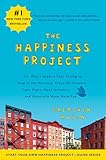
Gretchen Rubin is an American author and podcaster whose book The Happiness Project chronicles her year-long experiment in applying research and habit change to her own daily life.
Gretchen Rubin practised law and clerked for a Supreme Court Justice before shifting to writing, and The Happiness Project, published in 2009, brought her broad popular readership. The book documents a structured, monthly experiment in which Rubin identifies areas of her life — energy, marriage, work, parenthood — and applies specific researched habits and practices to each, tracking results with the meticulous engagement you might expect from a former lawyer. The approach is part memoir, part self-help, and part amateur social science.
Rubin’s voice is one of the book’s genuine assets: self-aware, cheerfully honest about her own irritability and perfectionism, and precise without being clinical. She is upfront about the fact that her life, as a privileged New Yorker with a supportive husband and relative financial security, provides conditions not universally available, and this transparency helps. The happiness research she draws on is well summarised without being dumbed down, and her practical resolutions are specific enough to inspire without being prescriptive.
The book has been criticised for staying within the comfortable boundaries of an already good life rather than engaging with larger questions about meaning, social connection, or the systemic causes of unhappiness. Some readers also find Rubin’s relentless self-monitoring exhausting as a model. But The Happiness Project earns its large readership honestly: it is thoughtfully constructed, practically grounded, and unusually honest about both the limits and the genuine value of the experiment it describes.
Reading Guides