American journalist and mountaineer whose Into Thin Air and Into the Wild are landmark works of adventure nonfiction combining rigorous reporting with intimate first-person witness.
Jon Krakauer is a climber and journalist who has written some of the most gripping narrative nonfiction of the past thirty years. Into Thin Air, published in 1997, is his first-person account of the 1996 Everest expedition during which eight climbers died in a single storm — an expedition Krakauer was on as a journalist for Outside magazine. The book is a model of narrative nonfiction: technically detailed enough to convey the physical and logistical reality of high-altitude climbing, psychologically acute enough to understand what drives people to risk their lives this way, and personally honest about Krakauer’s own role in events he witnessed.
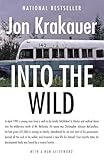
Into the Wild, published in 1996, is a different kind of book — a biography reconstructed from physical evidence, interviews, and the journals of Christopher McCandless, a young man who abandoned his life, gave away his savings, and walked into the Alaskan wilderness, where he starved to death in 1992. Krakauer brings the same investigative rigor to the story and supplements it with reflection on his own youthful self-destructiveness. The book sparked genuine debate about whether McCandless was admirable or reckless — a debate Krakauer engages with rather than avoiding.
Krakauer writes with unusual self-awareness about the limitations of his own perspective and the fallibility of memory and judgment under extreme conditions. Into Thin Air in particular acknowledges his own potential culpability in events he describes, which is a harder thing to do than it looks.
The Investigative Conscience
What distinguishes Krakauer from the broader field of adventure writers is the moral seriousness he brings to his subjects, an unwillingness to let a gripping story substitute for hard questions about responsibility, belief, and human folly. This investigative conscience reaches its fullest expression in Under the Banner of Heaven (2003), a disturbing and meticulously researched account of a brutal double murder committed by fundamentalist brothers who believed they were acting on divine command, which Krakauer uses to explore the violent fringes of Mormon fundamentalism and the dangers of unexamined religious certainty. In Where Men Win Glory (2009) he reconstructed the life and death of Pat Tillman, the football star turned soldier killed by friendly fire in Afghanistan, and exposed the military’s efforts to obscure the truth. Missoula (2015) turned his attention to the handling of acquaintance rape cases in a college town, a sober examination of how institutions fail victims. Across these books, Krakauer functions less as a thrill-seeker than as a dogged investigator drawn to stories where the official version conceals something the public deserves to understand.
Obsession, Risk, and the Pull of the Extreme
A unifying thread runs through Krakauer’s most personal work: a fascination with obsession itself, and with the men — often young, often gifted, often reckless — who are driven to pursue extremes regardless of the cost. He understands this territory from the inside, having been an ardent and risk-taking climber in his youth, and his writing about figures like Christopher McCandless is informed by a hard-won recognition of the same restless idealism and contempt for safety that once animated his own life. Rather than romanticising or condemning his subjects, Krakauer holds them in a kind of unresolved tension, asking what separates noble aspiration from fatal hubris, and whether the impulse that drives a person up a deadly mountain or into a frozen wilderness is admirable, pathological, or both. This refusal of easy judgement is central to his appeal; he grants his subjects the dignity of genuine complexity while never flinching from the consequences of their choices, and he implicates himself and the reader in the very longings he scrutinises.
A Master of Narrative Nonfiction
Krakauer stands as one of the most influential practitioners of literary nonfiction of his generation, a writer who helped demonstrate how rigorously reported true stories could carry the narrative force and emotional depth of the finest fiction. His prose is lean, propulsive, and precise, marrying the technical authority of someone who genuinely knows mountains and risk with the structural craft of a born storyteller. Into Thin Air in particular has become a model studied for its handling of multiple perspectives, ethical self-implication, and the reconstruction of chaotic events from imperfect and conflicting memories. His books have provoked lawsuits, rebuttals, and rival accounts, a testament to how seriously his work is taken and how high the stakes of his reporting can be. Yet his reputation for diligence, candour, and intellectual honesty endures, and his influence is visible across the contemporary landscape of long-form journalism and narrative nonfiction. Krakauer proved that a writer could chase the most dangerous and divisive of human stories and return with work of lasting literary and moral value.
Where to Start with Krakauer
Most readers should begin with either Into the Wild or Into Thin Air, the two books that established his reputation and best showcase his blend of investigative rigour and personal reflection. Into the Wild, the shorter and more contemplative of the two, is the ideal entry for readers drawn to questions of idealism, youth, and the pull of the wilderness, while Into Thin Air is the more harrowing and propulsive — a first-hand account of disaster on Everest that is difficult to put down and serves as a master class in narrative nonfiction. Those interested in his work as an investigator of belief and institutional failure should turn to Under the Banner of Heaven, his unsettling study of religious extremism and violence. Readers concerned with justice and accountability will find Missoula and Where Men Win Glory powerful, if sobering. Whichever the starting point, Krakauer rewards the reader with meticulous reporting, moral seriousness, and prose that carries the force of the best fiction.
Reading Guides