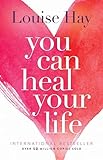
Louise Hay was an American self-help author and motivational speaker whose You Can Heal Your Life sold over 50 million copies by promoting the belief that thought patterns and self-love underlie physical health.
Louise Hay had a traumatic early life — an abusive childhood, early marriage and divorce, years of poverty — before finding in New Thought spirituality a framework that gave her experience meaning and structure. She founded Hay House, which became one of the dominant self-help publishing houses in the world, and You Can Heal Your Life, published in 1984, became one of the bestselling self-help books of all time. Hay herself died in 2017 at 90, having created a global publishing and wellness empire from a movement she largely built.
You Can Heal Your Life is built on the argument that our thoughts and beliefs — specifically negative, self-punishing thought patterns — are the underlying cause not just of emotional suffering but of physical disease, and that by changing our thoughts, particularly through affirmations and self-love practices, we can heal our bodies and transform our circumstances. Hay describes her own claimed healing from cervical cancer through these methods. The book is compassionate in tone, gentle in its approach, and many readers have found it genuinely useful for shifting unhelpful mental patterns.
The medical claims in You Can Heal Your Life are not scientifically supported, and the suggestion that negative thoughts cause illness has been criticized — rightly — for implying that sick people are responsible for their own suffering. For readers who approach the book as a framework for psychological self-compassion rather than a medical manual, it may offer real value. But readers should be clear-eyed about what the book is: a spiritual self-help text drawing on metaphysical traditions, not evidence-based medicine.
Reading Guides