Best Uplifting Books: Novels That Restore Your Faith in People
The best uplifting books — from A Man Called Ove and The Midnight Library to Remarkably Bright Creatures and People We Meet on Vacation. Fiction that makes life feel worth living.
The best uplifting books are not books that pretend difficulty doesn’t exist — they are books that look at grief, loneliness, failure, and regret honestly, and still find something worth holding onto. The warmth they offer is earned rather than assumed, which is why it lasts.
The novels below are the ones that make readers feel, when they put them down, that human beings are capable of more kindness than they sometimes show, and that life is more worth living than it sometimes appears.
The Definitive Uplifting Novels
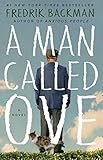
A Man Called Ove — Fredrik Backman (2012)
The most beloved uplifting novel of the last decade. Ove, a recently widowed Swedish man who has organised his life around rigid routine and contempt for everyone around him, begins to make preparations to end his life — and finds those preparations repeatedly interrupted by new neighbours who need help. Backman makes Ove genuinely curmudgeonly (the comedy is real, not coy) and the grief genuinely painful, which means that the novel’s gradual warming of Ove toward life is earned rather than assumed.
The premise sounds sentimental; the execution is honest. By the end, most readers are crying, and not from manipulation.
The Midnight Library — Matt Haig (2020)
The most uplifting novel about the value of life. Nora Seed, who has decided her life is not worth living, finds herself in a library between life and death, containing all the books of lives she might have lived — different choices, different outcomes. Each book allows her to try a different version of her life, and the novel is the account of what she discovers when she does. Haig’s prose is clear and warm, and the argument — that the specific life you are living has an irreplaceable value you may not be able to see from inside it — is made with care.
Contemporary Warm Fiction
Remarkably Bright Creatures — Shelby Van Pelt (2022)
The warmest novel on this list, and the most formally unusual: narrated partly by Marcellus, a giant Pacific octopus living in an aquarium in a small Washington town. Tova, a seventy-year-old woman who cleans the aquarium at night, and Marcellus become something like friends; the novel is also about Tova’s long-buried grief for her son, who drowned thirty years earlier. Van Pelt manages to make an octopus a genuinely characterised narrator without condescension, and the novel’s resolution is one of the most satisfying in recent commercial fiction.
Anxious People — Fredrik Backman (2020)
Backman’s structural comedy about a failed bank robbery and the eight strangers who end up spending an afternoon together as accidental hostages. The hostages are an assortment of human imperfections — the couple who can’t stop fighting, the woman who can’t stop crying, the man who can’t stop performing competence — and the novel is warm about all of them while remaining funny about them too. The reveal of what actually happened in the apartment is the kind of structural surprise that makes readers want to start again from the beginning.
People We Meet on Vacation — Emily Henry (2021)
Emily Henry’s most beloved novel — the story of Alex and Poppy, best friends who take a trip together every summer for ten years, told in alternating chapters from the present (after a falling-out that ended the trips) and the past (the summers themselves). The structure allows Henry to build the relationship with unusual precision, and the novel is both a friends-to-lovers romance and a book about what it means to be known by someone who has seen all of your worst moments.
Why Uplifting Fiction Is Harder Than It Looks
It is easy to assume that uplifting fiction is the easiest kind to write — that warmth and a happy ending require less craft than tragedy or moral complexity. The opposite is true. Sentiment that has not been earned curdles instantly into sentimentality, and readers can feel the difference between consolation that has been worked for and consolation that has been merely asserted. What distinguishes the novels on this list is that they refuse to cheat. Backman’s Ove is genuinely bitter, genuinely bereaved, and genuinely intent on ending his life; the uplift arrives only because the book has first taken his grief seriously enough to make his slow return to the world feel like something that cost him. Matt Haig’s The Midnight Library earns its affirmation by walking Nora Seed through real regret and real despair before it lets her conclude that her life was worth living. The warmth in these books is a destination reached through difficulty, not a starting assumption. That is why they move readers who would roll their eyes at a greeting-card platitude: the hope on offer has been tested against the same darkness the reader knows from their own life. An uplifting novel that works is, paradoxically, one that has been brave enough to acknowledge everything that makes uplift hard — loneliness, loss, the suspicion that one does not matter — and has then found, honestly and without shortcuts, a way through. The achievement is one of craft as much as of feeling, and it is rarer than the abundance of “feel-good” marketing copy would suggest.
Community as the Engine of Hope
A striking pattern unites these novels: the hope they offer is almost never the hope of individual triumph. Nobody in these books is saved by achievement, wealth, or romantic destiny in isolation. They are saved by other people — by the stubborn, inconvenient, often unwanted intrusion of community into a life that had closed itself off. Ove is dragged back from the brink not by an epiphany but by neighbours who keep needing him to help reverse a trailer, fix a radiator, or take in a stray cat. The grieving woman in Remarkably Bright Creatures finds her way forward through an unlikely bond — with an octopus, of all things — that stands in for the larger truth that connection arrives in forms we would never have chosen. Anxious People assembles a roomful of strangers, each privately falling apart, and lets them rescue one another almost by accident. This is the genre’s quiet thesis: that despair is, among other things, a kind of isolation, and that the antidote is rarely something a person manufactures alone. The books locate redemption in the social fabric — in the messy obligations of being known, needed, and inconvenienced by others. It is a deeply unfashionable message in a culture that frames self-improvement as a solitary project, and it is precisely why these novels feel restorative rather than naive. They remind readers that the cure for the modern epidemic of loneliness is not self-sufficiency but its opposite: the willingness to let other people in, and to make oneself useful to them in return.
Reading for Repair
There is a particular moment in a reader’s life when these books become not merely pleasant but necessary — after a loss, during a stretch of burnout, in the grey middle of a hard winter, or simply when the news and the world have worn the spirit thin. Uplifting fiction earns a real and unembarrassed place in a serious reader’s diet precisely because it answers a genuine need rather than offering escape from one. To reach for A Man Called Ove or The Midnight Library in such a season is not to retreat from difficulty but to be reminded, through the safe distance of story, that difficulty is survivable and that other people are worth the trouble. These novels function almost therapeutically, lowering the reader’s defences and letting feeling back in where cynicism or exhaustion had sealed it off. There is no shame in this, and no lowering of standards; the best of these books are as carefully made as any literary novel, and they perform a service that more austere fiction cannot. The right time to read them is when you most need to believe that kindness is real, that change is possible, and that a life — including your own — retains its value even when it has not gone according to plan. Kept on the shelf for exactly those moments, they are less a guilty pleasure than a form of maintenance for the spirit, a reliable way of restoring the faith in people that the world periodically erodes.
Reading Order
Start here: A Man Called Ove → The Midnight Library → Remarkably Bright Creatures.
For Fredrik Backman fans: A Man Called Ove → Anxious People → Beartown.
Contemporary romance warmth: People We Meet on Vacation → then Emily Henry’s other novels.
Frequently Asked Questions
What are the most uplifting books to read?
A Man Called Ove by Fredrik Backman is the most widely beloved uplifting novel — its account of a curmudgeonly widower whose plans to end his life are repeatedly interrupted by neighbours who need help is both very funny and genuinely moving. The Midnight Library by Matt Haig is the most uplifting novel about the value of one's own life — Nora Seed explores the lives she might have lived and discovers what her actual life was worth. Remarkably Bright Creatures is the warmest recent novel: a relationship between a grieving woman and a giant Pacific octopus that manages to be about grief, connection, and the unexpected forms that consolation takes.
What is The Midnight Library about?
The Midnight Library by Matt Haig (2020) follows Nora Seed, who finds herself between life and death in a library containing all the books of lives she might have lived — different choices, different outcomes. The library's librarian (her childhood school librarian) allows her to try them. The novel is simultaneously a thought experiment about regret and a warmhearted argument for the specific, irreplaceable value of the life one is actually living. It sold over four million copies and became one of the most widely shared books of the pandemic years.
What is Anxious People about?
Anxious People by Fredrik Backman (2020) begins with a failed bank robbery — the robber takes hostages in an apartment viewing — and develops into a portrait of eight strangers who, through an afternoon of forced proximity, reveal their particular versions of human imperfection and longing. Backman's characteristic mode is warm comedy that reveals serious emotional truths without sentimentality, and the novel's structural reveal (what actually happened in the apartment) earns its optimism through careful preparation.
What makes a book uplifting without being saccharine?
The best uplifting books earn their warmth through honesty about difficulty. A Man Called Ove works because Ove is genuinely curmudgeonly, his grief is genuinely painful, and the novel acknowledges this throughout. The Midnight Library works because Nora's despair is real before her recovery. Remarkably Bright Creatures works because the grief is rendered without shortcuts. The books that fail to uplift are those that ignore difficulty or resolve it too easily; the books that succeed are those that look at difficulty clearly and still find something worth holding onto.


