Where to Start with F. Scott Fitzgerald: A Reading Guide
Where to start with F. Scott Fitzgerald — whether to begin with The Great Gatsby, Tender Is the Night, or This Side of Paradise. A complete reading guide.
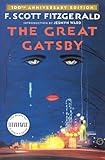
F. Scott Fitzgerald (1896–1940) is the chronicler of the American Jazz Age — the 1920s decade of prosperity, disillusionment, and the peculiar glamour of money and ambition in a country that had recently discovered both in abundance. His short career produced one perfect short novel (The Great Gatsby), one deeply felt but flawed long novel (Tender Is the Night), and a body of short stories that are among the finest in American literature. He died at forty-four, largely forgotten, having drunk himself to an early death; within a decade he had been recognized as one of the essential American writers.
Where to Start: The Great Gatsby (1925)
The essential Fitzgerald — and one of the essential American novels. At 180 pages, it is among the most perfectly constructed American novels: every sentence earns its place, every image carries symbolic weight, and the story of Jay Gatsby’s love for Daisy Buchanan and the green light at the end of her dock says something permanent and precise about America and its dreams.
Nick Carraway’s narration — sympathetic, ironic, morally uncertain — is the right instrument for a story about the gap between American aspiration and American reality. Gatsby himself, the self-invented man of mysterious origin who has thrown his entire being into the hope of recovering a past that was always partly illusion, is the most complete portrait of a certain kind of American that fiction has produced. The final paragraph is the most quoted ending in American fiction for good reason: it says, in three sentences, what the whole novel has been working toward.
Tender Is the Night (1934)
Fitzgerald’s most ambitious and most personal novel — and the one that reveals most fully what destroyed him. Dick Diver is a brilliant, charming American psychiatrist who has married Nicole Warren, his patient, and settled on the French Riviera; the novel traces his gradual disintegration across the 1920s and into the Depression decade. Fitzgerald draws on his own marriage to the mentally ill Zelda and his own alcoholic self-destruction to render Dick’s decline with the precision and the pain of autobiography.
The novel is less perfectly controlled than Gatsby — it was revised repeatedly and exists in two substantially different versions — but its account of the destruction of a gifted man by privilege, weakness, and an impossible love is Fitzgerald’s most deeply felt work.
This Side of Paradise (1920)
Fitzgerald’s debut — the novel that made him famous at twenty-three and that established his reputation as the voice of his generation. Amory Blaine, a Princeton student of exceptional promise and exceptional self-regard, moves through prep school, Princeton, the war, and New York society in search of a sense of self and a definition of his time. The novel is less polished than Fitzgerald’s later work — it is the work of a young man showing off his gifts — but it is historically fascinating as the document that defined the Jazz Age sensibility before the Jazz Age had fully arrived, and its account of youthful self-invention is frequently brilliant.
The Beautiful and Damned (1922)
Fitzgerald’s second novel — darker and more bitter than This Side of Paradise, following Anthony Patch and Gloria Gilbert through the slow destruction of their marriage by idleness, drink, and the corrosive effect of expecting to inherit money without having to earn it. The novel is heavily autobiographical (Anthony and Gloria are recognisable portraits of Fitzgerald and Zelda) and its portrait of two beautiful, careless people being destroyed by their own limitations anticipates the themes of Tender Is the Night with less control and more raw force.
Why The Great Gatsby Is the Ideal First Book
For a reader new to F. Scott Fitzgerald, The Great Gatsby is the ideal first book because it is his masterpiece, one of the greatest American novels, and the fullest expression of his distinctive gifts, the lyrical, beautiful prose, the evocation of an era, and the profound engagement with the American dream and its illusions. The Great Gatsby follows the mysterious, self-made Jay Gatsby and his doomed longing for the past and for the woman he loves, in the glittering world of 1920s New York, in a short, perfect, and resonant novel. As an entry point it is ideal, for it is his most celebrated work and a perfect example of his lyrical, evocative, and resonant fiction. It welcomes the newcomer with its beautiful prose, its glittering and tragic story, and its profound themes, drawing the reader into his distinctive vision. It is his masterpiece and the one that best represents his gifts, so the new reader encounters Fitzgerald at his finest. For the newcomer, then, The Great Gatsby is the natural and ideal starting point.
What to Expect as a New Reader
As a new reader, you can expect The Great Gatsby to be a short, beautiful, and resonant novel. You can expect lyrical, beautiful prose, for Fitzgerald writes with extraordinary grace, beauty, and economy. You can expect an evocation of an era, for the novel brilliantly captures the glittering, restless world of 1920s New York, the Jazz Age. You can expect a compelling, tragic story, for the mysterious Jay Gatsby’s doomed longing for the past and for a lost love drives the novel. You can expect profound themes, for the novel is a meditation on the American dream, illusion, longing, and disillusionment. You can expect a perfectly crafted, concentrated novel of great resonance. You can expect emotional and symbolic depth. Expect, in short, a short, beautiful, and resonant novel, a perfect introduction to Fitzgerald’s gifts.
Going Deeper After Your First Book
Once The Great Gatsby has introduced you to Fitzgerald’s gifts, the reader who wishes to go deeper can explore his other novels and his short stories, which continue his lyrical prose, his evocation of his era, and his engagement with ambition, love, and disillusionment. His acclaimed novel of a glamorous couple’s decline and his unfinished final novel of Hollywood extend his vision, while his many short stories, among the finest of his era, distill his gifts and his preoccupations with youth, wealth, and the loss of dreams. Reading these after The Great Gatsby deepens your appreciation of Fitzgerald’s distinctive gifts, the lyrical prose, the evocation of an era, and the engagement with the American dream and its illusions. His characteristic concerns run through his work. Building your reading journey through Fitzgerald is a matter of following his fiction from The Great Gatsby into his other novels and his short stories. The reader who begins here and continues will encounter one of the great American writers of the twentieth century.
Reading F. Scott Fitzgerald
Fitzgerald’s particular quality is his prose style — the sentences that hit like music, the images that carry emotional weight far beyond their literal content. He is a writer to read slowly, attending to the sentences individually, because much of what he does happens in the language rather than in the plot. Begin with The Great Gatsby: it is perfect, it is short, and it will tell you immediately whether Fitzgerald’s voice is one you want to stay with. Continue with Tender Is the Night for the fuller, more personal work; read This Side of Paradise for the historical document. His short stories (collected in The Diamond as Big as the Ritz, Babylon Revisited) are equally essential.
Frequently Asked Questions
Where should I start with F. Scott Fitzgerald?
The Great Gatsby (1925) is both the most widely read and the only correct starting point — the American novel, a perfect 180-page object that has been set in American high schools for decades and that still surprises careful adult readers with what it contains. Nick Carraway's summer in West Egg, his neighbour Jay Gatsby's obsessive love for Daisy Buchanan, and the green light at the end of the dock: this is Fitzgerald at his most concentrated and most enduring. Every other Fitzgerald novel, including Tender Is the Night, should be read after Gatsby.
What is The Great Gatsby about?
The Great Gatsby (1925) is narrated by Nick Carraway, a young Yale man from Minnesota who has moved to West Egg, Long Island, to work in the bond business. His neighbour is Jay Gatsby, a mysterious man of uncertain origin who throws enormous parties and who, Nick gradually discovers, has built his entire life around the hope of reuniting with Daisy Buchanan — the beautiful, careless woman he loved before the war. The novel is simultaneously a love story, a satire of the American Dream, and a meditation on the impossibility of recovering the past. Its final sentences are among the most famous in American literature.
What is Tender Is the Night about?
Tender Is the Night (1934) follows Dick Diver, a brilliant American psychiatrist who has married Nicole Warren, one of his patients and the wealthy heir to a Chicago fortune, on the French Riviera in the 1920s. The novel traces Dick's gradual disintegration — how a man of exceptional gifts and charm is slowly destroyed by his wife's money, his own weaknesses, and the American expatriate world of careless beauty and privilege. It is Fitzgerald's most personal and most ambitious novel, heavily autobiographical in its account of his marriage to the mentally ill Zelda.
Is The Beautiful and Damned worth reading?
The Beautiful and Damned (1922), Fitzgerald's second novel, is worth reading for readers who have already enjoyed The Great Gatsby and Tender Is the Night and want to understand the full arc of his career. It follows Anthony Patch, a young New York aristocrat who waits for his grandfather's fortune while drinking, drifting, and marrying the beautiful Gloria Gilbert — and watches their lives gradually destroyed by idleness and dissolution. Less perfectly controlled than Gatsby; more obviously autobiographical; illuminating for what it shows about Fitzgerald's central themes before he had fully mastered them.