Where to Start with Marcus Aurelius: A Reading Guide
Where to start with Marcus Aurelius — how to approach Meditations, his private philosophical notebook and the most intimate document from the ancient world. A complete reading guide.
By Elena Marsh

Marcus Aurelius (121–180 AD) was Roman Emperor from 161 to 180 AD and a committed practitioner of Stoic philosophy — the last of the Five Good Emperors and the philosopher-king that Plato had theorised. Meditations (written in Greek; the title is a later addition — Marcus called it simply ‘To Himself’) was his private philosophical practice journal, written during military campaigns and administrative duties, never published in his lifetime, and surviving in a single manuscript tradition. It has been continuously read since its first publication in the sixteenth century and is considered the finest primary document of late Stoic philosophy.
Where to Start: Meditations (written c. 161–180 AD)
The essential Marcus Aurelius — and one of the most useful philosophy books ever written. The unusual thing about Meditations is its audience: Marcus wrote it for himself. These are not teachings for students, not arguments for opponents, not public statements of belief. They are a private person trying to hold himself to standards he believes in and frequently fails to meet — reminding himself, often with impatience at his own lapses, of what Stoic philosophy requires.
The result is the most intimate surviving document from the ancient world. Marcus’s voice is direct, sometimes harsh with himself, occasionally wry, and marked throughout by the seriousness of someone who regards philosophy not as intellectual exercise but as practical daily necessity. He returns again and again to a handful of themes:
The present moment — Marcus is writing during the most intense period of Roman imperial history (wars with the Parthians, the Antonine Plague, constant military campaigning on the Danube frontier) and returns constantly to the discipline of not allowing future anxiety or past regret to colonise the present. What is available to you is now; everything else is imagination.
The dichotomy of control — the Stoic division between what is up to us (our judgements, desires, actions) and what is not up to us (the actions of others, external events, our reputation, our health). Most human suffering, Marcus observes, comes from treating as essential things over which we have no real control, and from treating as unimportant things (our choices, our responses) over which we have complete control.
Acting from reason — the mind that acts from its rational nature acts in accordance with what is most human. The emotions — anger, fear, desire, ambition — are not themselves wrong, but allowing them to override reason is. Marcus is not advocating emotional suppression but rational governance of feeling.
Memento mori — the consciousness of mortality as a clarifying and motivating force. Marcus returns repeatedly to the brevity of life and the obsolescence of reputation, not as sources of despair but as corrections to the inflation of trivial concerns.
The Gregory Hays translation is the modern standard: precise, readable, and faithful to the compressed, aphoristic quality of the Greek.
Why Meditations Is the Essential First Book
For a reader new to Marcus Aurelius, Meditations is the essential first book because it is his only work and one of the most enduring documents of Stoic philosophy ever written. Meditations is the private notebook of a Roman emperor, a series of personal reflections, exhortations, and philosophical observations that Marcus wrote to himself as spiritual and moral exercises, never intending them for publication. As an entry point it is both the natural and the only starting point, for it is the whole of his surviving writing, and it offers direct, intimate access to the mind of a philosopher-king practicing his philosophy. It welcomes the newcomer with its wisdom, its humility, and its intensely personal voice, drawing the reader into a timeless meditation on how to live with virtue, reason, and equanimity. It is his single, complete work and the foundation of his reputation, so the new reader encounters Marcus Aurelius whole. For the newcomer interested in Stoicism or in timeless reflections on living well, then, Meditations is the natural and essential starting point.
What to Expect as a New Reader
As a new reader, you can expect Meditations to be a profound, intimate, and timeless work of practical philosophy. You can expect a personal notebook, for these are private reflections Marcus wrote to himself, never meant for publication, which gives the book its remarkable intimacy and honesty. You can expect Stoic wisdom, for the reflections embody the core teachings of Stoicism, the focus on virtue, reason, acceptance of what we cannot control, and duty to others. You can expect a fragmentary, non-systematic form, for the book is a series of short reflections and exhortations rather than a continuous argument, well suited to reading a little at a time. You can expect timeless relevance, for its meditations on mortality, adversity, and how to live remain strikingly applicable today. You can expect a humane, humble, and consoling voice. Expect, in short, a profound, intimate, and timeless work of practical philosophy, the essential introduction to Marcus Aurelius and to lived Stoicism.
Going Deeper After Your First Book
Once Meditations has introduced you to Marcus Aurelius and to Stoicism in practice, the reader who wishes to go deeper can explore the wider literature of Stoic philosophy, to which Meditations is a perfect gateway. The other great Stoic writers, the letters and essays of Seneca and the discourses and handbook of Epictetus, offer further expressions of Stoic thought and complement Marcus’s reflections, while modern introductions and guides to Stoicism can illuminate its principles and their practical application today. Reading more deeply builds on the foundation Meditations provides, deepening your understanding of Stoic ideas about virtue, reason, and living well. Marcus’s intimate notebook offers a living example of the philosophy in practice, and the reader moved by it is well prepared to explore the tradition more fully. Building your reading journey from Meditations is a matter of carrying its wisdom into the wider Stoic literature. The reader who begins with Meditations will have encountered one of the most enduring and consoling works of practical philosophy ever written.
Reading Marcus Aurelius
Meditations is the only work by Marcus Aurelius. The Hays translation is the recommended starting point. Epictetus’s Enchiridion and Seneca’s Letters from a Stoic are the essential companion Stoic texts.
For the full Marcus Aurelius bibliography, reviews, and biography, visit the Marcus Aurelius author page on Editors Reads.
Affiliate disclosure: Links to Amazon on this page are affiliate links. We earn a small commission at no extra cost to you.
Frequently Asked Questions
Where should I start with Marcus Aurelius?
Meditations is the only work by Marcus Aurelius — his private philosophical notebook, written for himself across twelve books over the course of his reign as Roman Emperor (161–180 AD), never intended for publication. The most intimate surviving document from the ancient world and possibly the most practically useful philosophy text ever written; a Roman emperor's private attempt to hold himself to Stoic principles under extreme pressure.
What is Meditations about?
Meditations is not a treatise but a practice: Marcus Aurelius writing to himself to reinforce the Stoic principles he committed to living by, reminding himself of what matters and what doesn't, confronting his own failures of patience and judgment, and practising the philosophical habits that Stoicism requires. The twelve books cover returning attention to the present moment, accepting what cannot be changed, acting from reason rather than emotion, and the consciousness of mortality as a motivation for living well now.
Which translation of Meditations is best?
Gregory Hays's Modern Library translation (2002) is widely considered the most readable and accurate modern English version — precise without being archaic, and capturing the aphoristic quality of the Greek original. The older George Long translation (public domain, widely available free) is more Victorian in style but still readable. Robin Waterfield's Oxford World's Classics translation (2021) is the most recent scholarly version. Start with Hays unless you have a specific reason for another.
What should I read after Meditations?
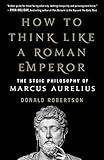
After Meditations, Epictetus's Enchiridion and Discourses are the other great Stoic primary texts — Epictetus was a central influence on Marcus Aurelius. Seneca's Letters from a Stoic cover similar philosophical territory with more literary flair. For modern applications of Stoic principles, Ryan Holiday's The Obstacle Is the Way and Donald Robertson's How to Think Like a Roman Emperor provide accessible bridges to contemporary practice.