Where to Start with Rick Riordan: A Reading Guide
Where to start with Rick Riordan — whether to begin with Percy Jackson, The Kane Chronicles, or The Heroes of Olympus. A complete reading guide to mythological YA fantasy.
Rick Riordan (born 1964) is the American author who — with Percy Jackson and the Lightning Thief (2005) — created the genre of accessible mythological middle-grade fiction and became one of the most widely read children’s and young adult authors of the twenty-first century. His books make Greek, Roman, Egyptian, Norse, and other ancient mythologies immediately engaging for young readers while telling adventure stories of genuine energy and consistent humour. He has sold over one hundred and fifty million copies worldwide. His Rick Riordan Presents imprint publishes similar mythological fiction by diverse authors, extending the model to other cultural traditions.
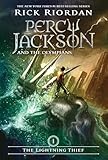
Where to Start: Percy Jackson and the Lightning Thief (2005)
The essential Riordan — and the beginning of one of the most beloved series in contemporary children’s fiction. Percy Jackson is twelve, has been expelled from every school he has ever attended, and has just discovered that his Latin teacher is a Fury, his best friend is a satyr, and his father is Poseidon. He is brought to Camp Half-Blood, a summer camp on Long Island where the children of Greek gods train to be heroes. Zeus’s master lightning bolt has been stolen; Percy is the prime suspect.
Riordan’s genius is the translation of mythology into contemporary American life. The Olympians live at the top of the Empire State Building because Olympus is wherever Western civilisation is most concentrated. The monsters are real and various and genuinely threatening. The gods are recognisable from mythology and also recognisably contemporary — vain, quarrelsome, invested in their reputations, occasionally genuinely terrifying. And Percy’s narration — first person, present tense, self-aware, funny — makes the whole enterprise immediate and accessible to readers of any age.
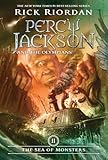
Percy Jackson and the Sea of Monsters (2006)
The second novel — Camp Half-Blood’s magical boundary is failing, and Percy must journey into the Sea of Monsters (the Bermuda Triangle) to retrieve the Golden Fleece. The series’ world expands; the stakes rise; Annabeth, Grover, and Percy’s friendship deepens. Read immediately after the first.
Percy Jackson and the Titan’s Curse (2007)
The third novel — often cited as the best in the original series. The villain escalates; the mythology deepens; the emotional stakes involve characters the reader has come to care about. The series is building toward the prophecy established in the first book, and this novel advances that arc significantly.
The Lost Hero (2010)
The first book of The Heroes of Olympus — the direct sequel series, following a new group of demigods (Jason, Piper, and Leo) alongside the returning Percy Jackson characters. Riordan introduces Roman mythology alongside the Greek mythology of the original series, expanding the world considerably. Should be read after all five original Percy Jackson books.
Why Percy Jackson and the Lightning Thief Is the Ideal First Book
For a reader new to Rick Riordan, Percy Jackson and the Lightning Thief is the ideal first book because it is his breakout novel, the first of the beloved Percy Jackson series, and the fullest expression of his distinctive gift, the bringing of ancient mythology to vivid, funny, and exciting life for young readers. The Lightning Thief introduces Percy Jackson, a boy who discovers he is a demigod, the son of a Greek god, and is drawn into a world of monsters, quests, and Olympian intrigue, rendered with humor, adventure, and a clever modern updating of Greek mythology. As an entry point, it is the natural beginning of his beloved series and the fullest expression of his gifts, the funny and exciting adventure, the clever use of mythology, and the appealing hero. It welcomes the newcomer with its humor, its adventure, and its clever mythology, drawing the reader into an enormously entertaining mythological adventure. It is his breakout novel and the start of his beloved series, so that the new reader begins where his most popular story begins. For the newcomer, then, The Lightning Thief is the natural and ideal starting point.
What to Expect as a New Reader
As a new reader, you can expect Percy Jackson and the Lightning Thief to be a funny, exciting, and clever mythological adventure, bringing Greek mythology to vivid life for young readers. You can expect a clever updating of mythology, for the novel reimagines the Greek gods and monsters as living forces in the modern world, with Olympus atop a New York skyscraper and demigod heroes attending a special camp. You can expect a funny and appealing hero, for Percy Jackson narrates his adventures with humor, wit, and a relatable voice. You can expect adventure and quests, for the novel is full of monsters, danger, and a thrilling quest, in the tradition of mythological adventure. You can expect humor throughout, for Riordan’s clever, funny take on mythology is a central part of the appeal. You can expect the beginning of a beloved series that has introduced countless young readers to mythology. Expect, in short, a funny, exciting, and clever mythological adventure, an enormously entertaining introduction to Riordan’s beloved series.
Going Deeper After Your First Book
Once Percy Jackson and the Lightning Thief has drawn you into Riordan’s mythological world, the natural next step is to continue the Percy Jackson series and to explore his many related series, which bring further mythologies to vivid, funny life. The Percy Jackson series continues the adventures of its hero across several books, while Riordan went on to write further series drawing on Greek, Roman, Egyptian, Norse, and other mythologies, often set in the same connected universe, all marked by his characteristic humor, adventure, and clever updating of myth. Reading these after The Lightning Thief deepens your engagement with Riordan’s distinctive gifts and offers a wealth of further mythological adventure. His characteristic strengths, the funny and exciting adventure, the clever use of mythology, and the appealing heroes, run through his work, and the reader who has enjoyed The Lightning Thief will find them across his many series. Building your reading journey through Riordan’s work is a matter of continuing the Percy Jackson series and following his mythological adventures through his many connected series. The reader who begins with The Lightning Thief will find a vast and entertaining body of mythological adventure to enjoy.
Reading Rick Riordan
Read the original Percy Jackson series first, in order, before any of Riordan’s other books. The world-building of the original series is the foundation for everything that follows; the characters are most fully introduced there; and the five-book arc has a genuine beginning, middle, and end. Begin with The Lightning Thief — it is an immediate pleasure regardless of age.
Frequently Asked Questions
Where should I start with Rick Riordan?
Percy Jackson and the Lightning Thief (2005) is the only starting point — the first book of the original Percy Jackson series and the novel that established Riordan as the defining author of mythological middle-grade and young adult fiction. Percy Jackson, twelve, discovers he is the son of Poseidon and is thrust into a world where Greek gods are real and live on Olympus above the Empire State Building. Riordan's gift is making ancient mythology immediately accessible and genuinely funny while using it to explore questions about identity, belonging, and what it means to be a hero. Begin here regardless of your age.
What is the Percy Jackson series reading order?
The original Percy Jackson and the Olympians series (5 books: The Lightning Thief through The Last Olympian) should be read first and in order. The Heroes of Olympus series (5 books: The Lost Hero through The Blood of Olympus) is a direct sequel, following a new group of demigods and set immediately after the original series. The Kane Chronicles (3 books) follows different characters in the Egyptian mythology universe and is a parallel series rather than a sequel — can be read at any point after the original. The Trials of Apollo (5 books) follows Apollo and should be read after Heroes of Olympus.
Can adults enjoy Rick Riordan's books?
Riordan writes middle grade and young adult fiction, but his books are genuinely enjoyable at any age for readers who like mythology, fast pacing, and first-person narrators with strong comic voices. The original Percy Jackson series in particular is often recommended by adult readers who want accessible, entertaining mythological fiction. The books are short, fast-moving, and genuinely funny — Percy's narration is witty and self-deprecating. Adults who have read the series alongside children frequently report enjoying them as much as the children. The mythology is also accurate enough to be genuinely educational.
What is The Kane Chronicles about?
The Kane Chronicles (The Red Pyramid, The Throne of Fire, The Serpent's Shadow) follows Carter and Sadie Kane, siblings who discover their family has a special connection to Egyptian magic. Their father is imprisoned by the god Set; they must learn Egyptian magic quickly enough to rescue him and stop Set from unleashing chaos. The series uses Egyptian mythology with the same approachable energy as the Percy Jackson series uses Greek mythology. It is set in the same universe as Percy Jackson (both exist simultaneously) and the two series are connected by short crossover stories.