Where to Start with Tomi Adeyemi: A Reading Guide
Where to start with Tomi Adeyemi — whether to begin with Children of Blood and Bone or Children of Virtue and Vengeance. A complete reading guide.
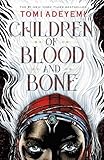
Tomi Adeyemi (born 1993) is the Nigerian-American YA fantasy novelist whose debut Children of Blood and Bone (2018) — sold in a seven-figure deal while Adeyemi was still in her mid-twenties — became a New York Times bestseller, won the Locus Award for Best YA Novel, and launched the Legacy of Orïsha trilogy. Adeyemi’s world-building draws on West African history and Yoruba mythology, and the trilogy’s examination of racial oppression — the persecution of the maji reads directly as an allegory for anti-Black racism — resonated with particular power in the years of Black Lives Matter activism that coincided with its publication.
Where to Start: Children of Blood and Bone (2018)
The essential Adeyemi — and the only starting point for her series. Zélie Adebola has white hair and dark skin — the mark of the maji, the magic-users who were once revered and are now persecuted by the monarchy of Orïsha. Ten years ago, the king ordered a Raid that killed most of the adult maji; Zélie’s mother was among them. Since then, the non-magical divîners (who would have become maji) are taxed into poverty and live under the constant threat of enslavement.
When Zélie encounters the princess Amari — a girl fleeing the palace with a stolen scroll that holds the key to restoring magic — she joins a desperate journey across Orïsha to complete a sacred ritual before the king’s forces catch them.
Adeyemi writes with tremendous energy; the world-building is vivid and the action sequences are kinetic. The novel’s political argument — that the oppression of the maji by the crown maps directly onto racial oppression, and that those who benefit from oppressive systems are complicit in them even when they personally oppose them — is made through the plot rather than through lecture.
Children of Virtue and Vengeance (2019)
The second novel — magic restored, consequences unforeseen, alliances broken. Darker and more morally complex than the first; must be read after Children of Blood and Bone.
Why Children of Blood and Bone Is the Ideal First Book
For a reader new to Tomi Adeyemi, Children of Blood and Bone is the ideal first book because it is her acclaimed debut and the first of her epic fantasy series, the fullest expression of her distinctive achievement, a richly imagined fantasy drawing on West African mythology and charged with a powerful engagement with oppression and resistance. The novel that made her name, Children of Blood and Bone creates a vivid fantasy world inspired by West African culture and mythology, and through its story of a young heroine’s quest to restore magic to a people who have been brutally oppressed, it engages powerfully with themes of injustice, resistance, and the legacy of violence. As an entry point, it is the natural beginning of her series and the fullest expression of her gifts, the immersive world-building, the compelling heroine, and the resonant engagement with real-world questions of oppression. It welcomes the newcomer with its richly imagined world, its gripping story, and its emotional and thematic power. It is her acclaimed debut and the start of her series, so that the new reader begins where her story begins. For the newcomer, then, Children of Blood and Bone is the natural and ideal starting point.
What to Expect as a New Reader
As a new reader, you can expect Children of Blood and Bone to be a richly imagined, fast-paced epic fantasy, drawing on West African mythology and charged with a powerful engagement with oppression and resistance. You can expect immersive world-building, for Adeyemi creates a vivid fantasy world inspired by West African culture and mythology, distinct from the more familiar European-influenced settings of much fantasy. You can expect a compelling heroine and a gripping quest, for the novel follows a young woman’s dangerous mission to restore magic to a people who have been brutally oppressed. You can expect emotional and thematic power, for the novel engages, through its fantasy, with real-world questions of injustice, racism, resistance, and the legacy of violence, giving its adventure a deeper resonance. You can expect the pace and emotional intensity of the best young adult fantasy, combined with genuine thematic weight. Expect, in short, a richly imagined, fast-paced epic fantasy drawing on West African mythology and charged with real-world resonance, a gripping and meaningful introduction to Adeyemi’s fiction.
Going Deeper After Your First Book
Once Children of Blood and Bone has drawn you into Adeyemi’s world, the natural next step is to continue her series, following the story through its subsequent volumes as the world, the characters, and the conflict develop toward resolution. The series is best read in order, for the story continues across the books, deepening the characters, expanding the conflict, and developing the themes of oppression, resistance, and power that the first book introduces. Reading the series in sequence allows the story and its themes to reach their full development. The reader who has been gripped by the richly imagined world and the powerful themes of Children of Blood and Bone will find the same immersive fantasy and the same resonant engagement with injustice and resistance in the books that follow. Building your reading journey is simply a matter of continuing the series in order from Children of Blood and Bone. The reader who begins with the first novel and continues through the series will find a richly imagined epic fantasy, drawing on West African mythology and charged with a powerful engagement with the real-world questions of oppression and resistance.
Reading Tomi Adeyemi
Begin with Children of Blood and Bone — it is the only starting point and a complete first act for the trilogy. Read Children of Virtue and Vengeance directly after; the trilogy ends with Children of Anguish and Anarchy (2023), which completes the arc.
For the full Tomi Adeyemi bibliography, reviews, and biography, visit the Tomi Adeyemi author page on Editors Reads.
Affiliate disclosure: Links to Amazon on this page are affiliate links. We earn a small commission at no extra cost to you.
Frequently Asked Questions
Where should I start with Tomi Adeyemi?
Children of Blood and Bone (2018) is the only starting point — the first novel in the Legacy of Orïsha trilogy, following Zélie Adebola, a young woman in a West African-inspired fantasy world where magic has been suppressed for a decade and the maji (magic-users) are persecuted. When Zélie discovers a way to restore magic, she must race across the country to complete a ritual before the monarchy can stop her. The first book in a trilogy that must be read in order.
What is the Legacy of Orïsha series about?
The Legacy of Orïsha series is set in Orïsha, a fantasy nation inspired by West African cultures and Yoruba mythology. Magic was once widespread but was violently suppressed a decade before the novels begin; the maji, who once wielded elemental powers, are now an underclass persecuted by the monarchy. The trilogy follows Zélie and the princess Amari across a continent in political upheaval, exploring questions of race, power, revolution, and what justice requires when oppression has run deep enough.
What is Children of Virtue and Vengeance about?
Children of Virtue and Vengeance (2019) is the second novel in the trilogy — set immediately after the events of Children of Blood and Bone, with magic restored and the consequences of that restoration more violent and complicated than anyone anticipated. The political landscape has fractured; alliances have shifted; Zélie and Amari are on different sides. The second novel is darker and more morally complex than the first.
Is Children of Blood and Bone comparable to other YA fantasy series?
Children of Blood and Bone was widely compared to Avatar: The Last Airbender and An Ember in the Ashes on publication; it shares their approach of West African-influenced world-building, elemental magic systems, and a young protagonist navigating political upheaval. It is notable for centring Black protagonists in epic fantasy, a genre where this was relatively rare at its publication; its commercial success helped open the market for more diverse epic fantasy.