Willa Cather Books in Order: Complete Bibliography & Best Starting Points
Willa Cather's complete bibliography in order — from My Ántonia and Death Comes for the Archbishop to O Pioneers! Best starting points for new readers.

Willa Cather is the great chronicler of the American Great Plains — the Nebraska prairies of the 1880s and 1890s, the immigrant communities (Bohemian, Scandinavian, German) who broke the land, and the values they embodied: endurance, connection to the earth, communal life. Her fiction is elegiac: she is always writing about a world that is passing, and her landscapes (the Nebraska prairie, the New Mexico desert, the Quebec of the early Catholic missionaries) are rendered with a precision and love that constitute the finest nature writing in American fiction.
Born in Back Creek Valley, Virginia in 1873, she moved with her family to Nebraska as a child and lived on the prairie for ten years. She spent most of her adult life in New York and New Hampshire, but the prairies of her childhood remained the imaginative centre of her best work. She died in 1947.
Where to Start
My Ántonia (1918)
The essential starting point — Jim Burden’s memoir of Ántonia Shimerda and the Nebraska prairie of his childhood. Cather’s portrait of Ántonia (vital, enduring, fully herself in a way that the conventional women of her time were not permitted to be) is her most celebrated character, and the Nebraska landscape of the novel is the most powerful rendering of the American prairie in fiction. The most accessible and most immediately beautiful of her novels.
The New Mexico Novel
Death Comes for the Archbishop (1927)
Cather’s most formally unusual and perhaps her greatest achievement — not a conventional narrative but a series of episodes in the life of Jean Marie Latour, a French bishop establishing the Catholic Church in 1850s New Mexico. The prose is the most perfectly controlled of her career; the landscape (the red and yellow mesas, the ancient pueblos, the desert light) is rendered with the precision of someone who had studied and loved it for years. The best Cather novel for readers who prefer the meditative to the narrative.
Complete Bibliography (Major Works)
| Title | Year | Note |
|---|---|---|
| O Pioneers! | 1913 | First major novel; Nebraska; Alexandra |
| The Song of the Lark | 1915 | Bohemian singer; Chicago; opera |
| My Ántonia | 1918 | Best starting point; immigrant; prairie |
| A Lost Lady | 1923 | Decline; elegiac; brief |
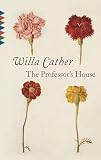
| The Professor’s House | 1925 | Midlife; archaeology; embedded story |
| Death Comes for the Archbishop | 1927 | New Mexico; Catholic; formal |
| Shadows on the Rock | 1931 | Quebec; early Catholic |
| Lucy Gayheart | 1935 | Music; Nebraska; shorter |
| Sapphira and the Slave Girl | 1940 | Virginia; race; final novel |
A Poet of the American Frontier
Willa Cather was one of the great chroniclers of the American frontier and the immigrant settlers who shaped it, a writer whose fiction renders the landscape of the prairie and the lives of the pioneers with a lyrical beauty and an elegiac power. Cather’s fiction is deeply rooted in the American frontier, particularly the prairie lands of the American West and Midwest, and in the experiences of the immigrant settlers and pioneers who struggled to build lives there. She rendered the frontier landscape and the lives of the pioneers with a lyrical beauty, an intimate knowledge, and an elegiac power, capturing both the harshness and the grandeur of the frontier experience and the strength and dignity of those who lived it. This role as a poet of the American frontier is central to Cather’s achievement, for her fiction renders the landscape of the prairie and the lives of the pioneers with a lyrical beauty and an elegiac power. Her intimate knowledge of the frontier and her lyrical rendering of it give her fiction its distinctive beauty and its power. For readers, Cather offers a poet of the American frontier, the landscape of the prairie and the lives of the pioneers rendered with lyrical beauty and elegiac power. A poet of the American frontier, Cather chronicled the prairie landscape and the immigrant settlers who shaped it, rendering the frontier and the lives of the pioneers with a lyrical beauty and an elegiac power.
The Land and the Immigrant Experience
A central concern of Willa Cather’s fiction is the relationship between the land and the immigrant experience, the encounter between the settlers, often immigrants, and the demanding land they struggled to cultivate and make their home. Cather’s fiction is deeply concerned with the land and with the immigrant settlers who struggled to cultivate it, exploring the demanding and often harsh encounter between the pioneers and the frontier landscape, and the way that the land shaped, tested, and rewarded those who worked it. She gave particular attention to immigrant settlers, rendering their experiences, struggles, and dignity with sympathy and respect, and exploring the encounter between the old-world heritage of the immigrants and the new land they sought to make their home. This concern with the land and the immigrant experience is central to Cather’s fiction, for she explored the encounter between the settlers, often immigrants, and the demanding land they struggled to cultivate and make their home. Her attention to the land and to the immigrant experience gives her fiction its distinctive subject and its depth. For readers, Cather offers a profound exploration of the land and the immigrant experience, the encounter between the pioneers and the demanding frontier they sought to make their home. The land and the immigrant experience are a central concern of Cather’s fiction, the encounter between the settlers, often immigrants, and the demanding land they struggled to cultivate and make their home.
Elegy and the Passing of a World
A distinctive quality of Willa Cather’s fiction is its elegiac mood, its sense of the passing of a world, of the loss of the frontier and the heroic pioneer past, and of the changes wrought by time. Cather’s fiction is suffused with an elegiac mood, with a sense of the passing of a world, of the loss of the frontier era and the heroic pioneer past, and of the changes and losses wrought by the passage of time and the coming of modernity. Her fiction often looks back with a sense of loss and longing to a vanishing or vanished world, to the frontier and its pioneers, and it mourns the passing of that world and the values and the grandeur it embodied. This elegiac quality, this sense of the passing of a world, is distinctive to Cather’s fiction, for her sense of the loss of the frontier and the heroic pioneer past and of the changes wrought by time gives her work its characteristic mood and its poignant power. Her elegy for a passing world gives her fiction its distinctive emotional resonance. For readers, Cather offers elegy and the passing of a world, the sense of the loss of the frontier and the heroic pioneer past and of the changes wrought by time. Elegy and the passing of a world are a distinctive quality of Cather’s fiction, its sense of the passing of a world, of the loss of the frontier and the heroic pioneer past, and of the changes wrought by time.
Reading Order Recommendations
New to Cather: My Ántonia → Death Comes for the Archbishop.
The prairie novels: O Pioneers! → My Ántonia → A Lost Lady.
Complete: My Ántonia → A Lost Lady → Death Comes for the Archbishop → The Professor’s House.
Frequently Asked Questions
What is the best Willa Cather novel to start with?
My Ántonia (1918) is the essential starting point — the story of Ántonia Shimerda, a Bohemian immigrant girl on the Nebraska prairie, as seen and remembered by Jim Burden, the narrator who has known her since childhood. Cather's rendering of the Nebraska landscape — its vastness, its beauty, its severity — is the most powerful evocation of the American prairie in fiction. The novel is both a celebration of the immigrant experience and a meditation on loss, memory, and the past that cannot be recovered.
What is My Ántonia about?
My Ántonia (1918) is narrated by Jim Burden, who recalls his childhood on the Nebraska prairie and his lifelong relationship with Ántonia Shimerda, the daughter of a Bohemian immigrant family. Ántonia's father commits suicide during their first winter in Nebraska, unable to bear the hardship of the new country. Ántonia grows up to embody the qualities Cather most values — vitality, endurance, love of the land — and Jim's memory of her is his memory of everything the prairie was before it became domesticated and prosperous. The novel is an elegy for a world already disappearing when Cather wrote it.
What is Death Comes for the Archbishop about?
Death Comes for the Archbishop (1927) follows Jean Marie Latour, a French bishop sent to New Mexico in 1851 to establish the Catholic Church in the newly acquired American territory. The novel is not a conventional narrative but a series of episodes — encounters with the landscape, the indigenous cultures, the Spanish colonial past, and the handful of European priests trying to build something in a vast and ancient land. Cather called it a 'narrative' rather than a novel; it is closer to a saint's life than to conventional fiction. Her prose in this book is the most perfectly achieved of her career.
Why is Willa Cather important in American literature?
Cather is important for two reasons: she was the first major American writer to take the immigrant experience on the Great Plains seriously as literary material — the Bohemian, Scandinavian, and other immigrant communities of Nebraska are her central subject in her prairie novels, and she documented a world that was vanishing even as she wrote. She is also important for her prose: her style is spare, lyrical, and antiromantic (she explicitly rejected the 'overfurnished' style of nineteenth-century fiction), and her landscapes are the most precisely rendered in American literature. Henry James praised her work; she won the Pulitzer Prize in 1923.