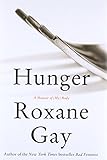
Editors Reads Verdict
Hunger is among the bravest memoirs in recent American literature — a book about a body and what it has been made to hold, written with the clarity of someone who has chosen to say the unsayable without seeking resolution. It is not a redemption narrative, and that is exactly its value.
What We Loved
- The refusal of redemption narrative — this is not a story of triumph over the body — is radical and necessary
- Gay's prose is precise and controlled even when the material is most painful
- The analysis of how fat bodies are treated in public and private space is acute and original
- The relationship between sexual violence and the body is handled with unusual directness
Minor Drawbacks
- The fragmentary structure means some chapters feel more essential than others
- The deliberate absence of resolution may frustrate readers looking for catharsis
- The personal specificity means some experiences will resonate very differently depending on the reader
Key Takeaways
- → Bodies carry history — the relationship to a body cannot be understood outside the life that has been lived in it
- → Fat is not a moral failing — its cultural coding as such is a form of oppression
- → Survival after sexual violence takes many forms, and none of them are wrong
- → The body as fortress — built to keep the world out — is a rational response to the world having broken in
- → Ambivalence about one's own body does not require resolution — it requires honest acknowledgment
| Author | Roxane Gay |
|---|---|
| Publisher | Harper |
| Pages | 306 |
| Published | June 13, 2017 |
| Language | English |
| Genre | Memoir, Feminism, Health |
| Difficulty | Intermediate |
| Best For | Memoir readers; survivors of sexual violence who want to see their experience reflected with intelligence; those interested in fat politics and body autonomy. |
How Hunger Compares
Hunger at a glance against 3 similar books readers weigh alongside it.
| Book | Author | Rating | Best for |
|---|---|---|---|
| Hunger (this book) | Roxane Gay | ★ 4.3 | Memoir readers |
| Bad Feminist | Roxane Gay | ★ 4.3 | Feminist readers |
| Becoming | Michelle Obama | ★ 4.8 | Anyone interested in American political history, the Obama era, or memoir as a |
| Educated | Tara Westover | ★ 4.7 | Anyone interested in memoir, education, or the psychology of escaping |
The Memoir That Refuses to Heal
Roxane Gay begins Hunger with a simple statement of what the book will not be: it is not a story of triumph. She is not going to lose the weight, find peace with her body, arrive at a resolution that assures the reader that everything turned out well. She is going to describe, with complete honesty, what her body is, how it got to be this way, and what she has done with it and in it across a life.
This refusal is the book’s most important and most politically significant choice. The memoir of the difficult body almost always ends with acceptance, transformation, or both. Gay refuses this convention because it would be dishonest, and because the convention serves readers’ comfort at the expense of truth.
The Origin
Gay explains, in passages of controlled and devastating precision, what happened to her at twelve: a gang rape by a boy she trusted, his friends, a horror she could not tell anyone. In the aftermath, she began to eat. She ate to build a body that would be large enough to be, she thought, unsafe — too large to be what had been done to her again. The body as fortress. The body as the one protection available when every other protection had failed.
This is not the only explanation for fat bodies, and Gay does not offer it as universal. But it is her explanation, for her body, and it is rendered with a precision that makes the logic of it completely clear.
Living in a Fat Body
The memoir’s central sections describe what it is like to inhabit a very fat body in a world that has designed itself for bodies significantly smaller. The airplane seats, the medical treatment, the restaurant booths, the stares — Gay catalogs these not for sympathy but for clarity. She wants the reader to understand what the experience is, practically and psychologically, rather than to feel sad about it.
This is the book’s documentary function: to describe the actual texture of a life in a body the culture considers wrong, written by someone who has the literary skill to do it accurately.
Roxane Gay and the Work Behind the Memoir
By the time Hunger appeared in 2017, Roxane Gay was already one of the most recognisable voices in American letters, and the memoir landed with the weight of everything that preceded it. Her essay collection Bad Feminist had made her a public intellectual, articulating a feminism that refused purity and allowed for contradiction; her novel An Untamed State had announced her as a fiction writer willing to look directly at violence against women; and her cultural criticism, prolific across major outlets and her own newsletter, had built a readership that trusted her candour. Hunger turns that same unsparing attention inward, and the difficulty of writing it is part of its subject. Gay has spoken about how much harder this book was than anything else she had written, precisely because it required exposing the body she had spent a lifetime trying to make invisible and unreadable.
Understanding her wider work clarifies what Hunger is doing. Gay is a writer preoccupied with the politics of bodies, consent, and the stories culture tells about both, and the memoir is the most personal application of concerns that run through all of it. It is not a confessional aberration but the logical centre of her project.
Fat Politics and the Refusal of the Weight-Loss Arc
Hunger belongs to, and helped shape, a growing body of writing that treats fatness as a political and cultural condition rather than a personal failing to be corrected. Gay is acutely aware that the publishing world has a template for the fat memoir — the journey toward weight loss, self-acceptance, or both — and her most deliberate act is to withhold that arc. She does not resolve her relationship to her body, does not offer the reader the reassurance of transformation, and does not pretend that understanding the origins of her body has changed the daily difficulty of living in it. This refusal is itself the argument: that demanding a redemption narrative from fat bodies is a way of insisting they apologise for existing.
The book sits in conversation with other contemporary reckonings with embodiment and survival, and it is frequently read alongside memoirs of trauma and self-definition such as Educated and Becoming. What distinguishes Gay’s contribution is its insistence on ambivalence — its willingness to hold contradictory truths about her body at once without forcing them into a tidy synthesis.
Who Should Read It and How
This is a book to approach with patience for its fragmentary structure, which mirrors the difficulty of its material; the short, sometimes recursive chapters are a formal choice, not a flaw. It will resonate most powerfully with survivors of sexual violence who rarely see their experience rendered with this combination of intelligence and restraint, and with anyone interested in fat politics, body autonomy, and the cultural coding of weight. Readers seeking catharsis or uplift should know in advance that Gay deliberately denies both. What she offers instead is rarer and more valuable: an honest account of a life lived in a body, written without flinching and without the false comfort of resolution.
Our rating: 4.3/5 — A memoir of radical honesty about a body and the life that shaped it — one of the most important books about embodiment, survival, and the refusal of convenient narrative in recent American literature.
Frequently Asked Questions
What is "Hunger" about?
Roxane Gay writes about her body — fat, surveilled, weaponized against her — and the sexual violence that shaped her relationship with it, with unflinching honesty and structural precision.
Who should read "Hunger"?
Memoir readers; survivors of sexual violence who want to see their experience reflected with intelligence; those interested in fat politics and body autonomy.
What are the key takeaways from "Hunger"?
Bodies carry history — the relationship to a body cannot be understood outside the life that has been lived in it Fat is not a moral failing — its cultural coding as such is a form of oppression Survival after sexual violence takes many forms, and none of them are wrong The body as fortress — built to keep the world out — is a rational response to the world having broken in Ambivalence about one's own body does not require resolution — it requires honest acknowledgment
Is "Hunger" worth reading?
Hunger is among the bravest memoirs in recent American literature — a book about a body and what it has been made to hold, written with the clarity of someone who has chosen to say the unsayable without seeking resolution. It is not a redemption narrative, and that is exactly its value.
Ready to Read Hunger?
Check the current price on Amazon.
Check Price on Amazon (paid link)Prices and availability are subject to change. See Amazon for current price.
Review last updated: