Elena Ferrante is a pseudonymous Italian novelist whose Neapolitan series — beginning with My Brilliant Friend — is among the most celebrated fiction of the 21st century.
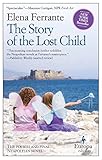
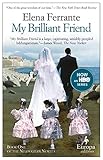
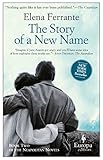
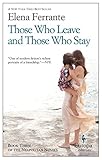
Elena Ferrante publishes under a pseudonym and has maintained strict anonymity throughout her career, declining all interviews, photographs, and public appearances. This refusal has generated substantial media speculation — some of it intrusive — but it has also kept the focus squarely on her work, which is where it belongs. The Neapolitan Novels — My Brilliant Friend, The Story of a New Name, Those Who Leave and Those Who Stay, and The Story of the Lost Child — follow Elena Greco and Lila Cerullo from childhood in postwar Naples through old age, mapping sixty years of Italian history through the prism of one of literature’s most complex female friendships.
What makes the series exceptional is its refusal of sentimentality about women’s lives, friendship, or ambition. Ferrante writes about female interiority with a directness that can feel almost shocking — the jealousy, desire, resentment, and love that Elena and Lila feel toward each other are rendered with an honesty that most writers avoid. The Naples of the novels is specific and visceral, but the questions the books ask — about who gets to escape poverty, who gets to become themselves, what women owe each other — are universal. My Brilliant Friend works as an entry point, but the series rewards reading in full.
Ferrante’s earlier novels, including The Days of Abandonment and Troubling Love, are darker and more compressed, and equally accomplished. Critics occasionally note that the Neapolitan series’s later volumes lose some narrative momentum, but this is a minor charge against what is, collectively, one of the most sustained and ambitious fictional projects of the past thirty years. Ferrante is a writer of the first rank.
Reading Guides