Kurt Vonnegut was an American author whose darkly comic novels — including Slaughterhouse-Five and Cat's Cradle — used satire and science fiction to expose the absurdity of war, technology, and human self-destruction.
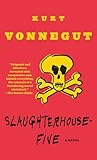
Kurt Vonnegut survived the firebombing of Dresden as a prisoner of war, hiding in an underground slaughterhouse — Slaughterhouse-Five — and spent the next two decades trying to write about it before finding the form that worked. The resulting novel, published in 1969, is one of the defining American books of the twentieth century: a fractured, time-jumping narrative whose narrator cannot confront the horror of what he witnessed directly and so approaches it obliquely, through science fiction, dark comedy, and the resigned refrain “so it goes.” It is a book that contains its own inability to be written.
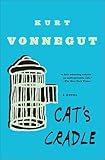
Cat’s Cradle, published in 1963, is if anything more purely comic and more explicitly satirical, skewering religion, science, and American Cold War paranoia through the story of an invented religion called Bokononism and a world-ending substance called ice-nine. Vonnegut’s genius was his discovery that absurdist humor could carry moral weight that straight-faced indictment could not — that making readers laugh at human folly could land the argument more devastatingly than earnest protest.
Vonnegut has never been universally admired by the literary establishment. His structural experiments and aphoristic prose can seem thin compared to more conventional literary novelists, and some critics find his worldview adolescently nihilistic. But his influence on American fiction — on the use of irony, dark humor, and metafiction — is enormous, and his moral seriousness about violence and complicity was never in doubt. He remains one of the most readable and quietly devastating writers in the canon.
A Master of Satirical Fiction
Kurt Vonnegut was one of the most beloved and influential American writers of the twentieth century, a novelist whose darkly comic, humane, and inventive fiction combined science fiction elements, satire, and profound moral seriousness. Renowned for his distinctive voice, his blend of humor and pathos, and his compassionate skepticism about human folly and cruelty, Vonnegut created a body of work that entertained and provoked generations of readers. His accessible, often playful style concealed deep concerns about war, technology, free will, and human decency, and his unique combination of comedy, science fiction, and humanism made him a singular and cherished figure in American letters.
Slaughterhouse-Five
Vonnegut’s masterpiece, Slaughterhouse-Five, remains one of the most important and beloved American novels of its era, a powerful antiwar work drawing on his own experience as a prisoner of war who survived the firebombing of Dresden. Combining this horrific real event with science fiction elements, including time travel and aliens, the novel confronts the trauma and absurdity of war through its unstuck-in-time protagonist and its famous refrain, “so it goes.” Innovative, darkly funny, and deeply humane, the novel is both a profound antiwar statement and a meditation on time, free will, and survival, and it remains the cornerstone of Vonnegut’s reputation.
Humor and Humanity
A defining feature of Vonnegut’s work is its combination of humor and humanity. His fiction is genuinely funny, full of wit, irony, absurdity, and playful invention, yet it is also deeply humane, animated by compassion for human beings in all their folly, weakness, and suffering. This blend of comedy and kindness, of dark humor and genuine tenderness, is central to his appeal, allowing him to confront the bleakest subjects, war, cruelty, mortality, without despair. His ability to find humor and humanity even in catastrophe, and to plead for human decency through laughter, gives his work its distinctive and beloved character.
Science Fiction and Satire
Vonnegut frequently employed science fiction elements, time travel, aliens, dystopian futures, fantastical technologies, as vehicles for satire and philosophical reflection. Though he sometimes resisted the science fiction label, he used the genre’s freedom to explore questions about technology, free will, society, and the human condition with imaginative inventiveness. His recurring character, the hack science fiction writer Kilgore Trout, embodies his playful relationship with the genre. This use of speculative elements for satirical and philosophical purposes is characteristic of his work and gives his fiction its inventive, idea-rich quality and its sharp critical edge.
A Moral Vision
Beneath the humor and invention, Vonnegut’s work is animated by a serious moral vision. He was deeply concerned with the cruelty, folly, and destructiveness of which human beings are capable, particularly in war and through technology, and his fiction repeatedly pleads for kindness, decency, and common humanity. A skeptic and a humanist, he expressed simple but profound moral convictions, urging human beings to be kind to one another in an often cruel and meaningless universe. This humane moral vision, expressed through satire and humor rather than preaching, is at the heart of his work and the source of its enduring resonance.
A Distinctive Voice
Vonnegut’s writing is instantly recognizable for its distinctive voice and style. He wrote in a clear, simple, conversational prose marked by short sentences, dark humor, memorable refrains, and a tone of weary but affectionate skepticism, often addressing readers directly with his characteristic mixture of irony and warmth. This accessible, idiosyncratic style made his profound concerns approachable and his fiction widely beloved, particularly among young readers. His unique voice, combining simplicity, humor, and humanity, is central to his appeal and has made him one of the most recognizable and cherished stylists in American fiction.
The Lasting Legacy of Kurt Vonnegut
Kurt Vonnegut’s influence on American literature is significant, and his darkly comic, humane fiction continues to be read and beloved by readers around the world. For newcomers, Slaughterhouse-Five is the essential starting point, with Cat’s Cradle and Breakfast of Champions offering further entry into his satirical vision. For readers seeking fiction that is funny, inventive, and accessible yet profoundly serious in its concern with war, technology, and human decency, Kurt Vonnegut is an essential and beloved author, one of the great humane satirists of the twentieth century.
Reading Guides