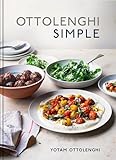
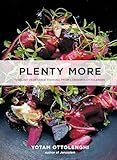
Yotam Ottolenghi is an Israeli-British chef and food writer whose Plenty, Jerusalem, and Ottolenghi Simple transformed the way British and American home cooks approached vegetables and Middle Eastern flavours.
Yotam Ottolenghi was born in Jerusalem and trained in London, where he and his business partner Sami Tamimi opened a series of delis and eventually the Nopi and Rovi restaurants. His first major cookbook, Ottolenghi (2008), introduced London to a style of cooking that drew on Middle Eastern, North African, and Mediterranean traditions — abundant vegetables, bold spicing, fresh herbs, and generous portions of pomegranate molasses, tahini, and preserved lemon. But it was Plenty (2010), an entirely vegetable-focused book, that established him as a genuinely transformative figure in food writing.
Plenty demonstrated that vegetables could be the unambiguous stars of a meal without apology or compromise — not because they were lower in calories or animal products, but because they were genuinely delicious when treated with the same technical and flavour attention as meat. The recipes are ambitious, the ingredient lists can be long, and the results reliably justify the effort. Jerusalem (2012), co-authored with Sami Tamimi, deepened the culinary exploration with a book about the food of a city that is itself a site of radical cultural complexity, written with great care for the nuance of that complexity.
Ottolenghi Simple (2018) was a deliberate recalibration: recipes designed for home cooks who love the flavour profile but don’t always have time for the elaborate preparations. It is arguably his most practically useful book and an excellent starting point for new readers. His subsequent books — Flavour, Extra Good Things — continue to develop and refine the approach. Ottolenghi has been the single most influential figure in British food writing of the past fifteen years, and his influence on restaurant menus, food magazines, and home cooking worldwide has been remarkable.
Yotam Ottolenghi stands as one of the most influential and beloved chefs and food writers of his generation, an Israeli-born, London-based cook whose vibrant, vegetable-forward, Middle Eastern-inflected cooking has transformed how home cooks around the world approach food. Through his bestselling cookbooks, his restaurants, and his newspaper columns, Ottolenghi has popularized a style of cooking rich in bold flavors, fresh produce, herbs, and spices, and his influence on contemporary home cooking has been profound. Celebrated for making ambitious, flavorful food accessible and exciting, he has become one of the defining culinary voices of his era.
A Vegetable-Forward Revolution
A central element of Ottolenghi’s influence is his celebration of vegetables. Although not exclusively vegetarian, his cooking places vegetables at the center of the plate, treating them with creativity, generosity, and respect rather than as mere accompaniments. His vegetable-forward approach, exemplified in bestselling books such as Plenty, helped spark a broader shift toward plant-based and produce-centered cooking, demonstrating that vegetables could be the star of bold, satisfying, and exciting meals. This celebration of fresh produce, herbs, and bold seasoning is at the heart of his culinary philosophy and his lasting impact.
Bold Flavors and Abundance
Ottolenghi’s cooking is defined by its bold, layered flavors and its sense of abundance. He combines fresh ingredients with generous use of herbs, spices, citrus, nuts, and other elements drawn from Middle Eastern and Mediterranean traditions, creating dishes that are vibrant, complex, and deeply satisfying. His recipes are unafraid of long ingredient lists and bold combinations, rewarding cooks with food of remarkable flavor and visual beauty. This commitment to abundance, freshness, and intensity of flavor is the signature of his style and a key to the enthusiasm his work inspires.
Jerusalem and Cultural Roots
Ottolenghi’s celebrated book Jerusalem, written with his longtime collaborator Sami Tamimi, explores the rich and diverse food culture of the city where both grew up, on different sides of its divisions. The book is both a culinary and a cultural achievement, celebrating the shared and contested food traditions of the region with warmth and depth, and it became enormously influential. This engagement with his cultural roots, and his ability to convey the history, diversity, and emotional resonance of a cuisine, gives his work a richness that extends beyond recipes into storytelling and cultural understanding.
Making Ambition Accessible
A key to Ottolenghi’s success is his ability to make ambitious, exciting cooking accessible to home cooks. While some of his recipes are elaborate, he has increasingly focused on bringing his bold flavors within easier reach, as in his bestselling Simple, which offers his signature style in more approachable form. He explains techniques and ingredients clearly, demystifying unfamiliar flavors and encouraging cooks to experiment. This balance of ambition and accessibility has empowered countless home cooks to expand their repertoires and to cook with greater confidence, creativity, and joy.
Influence on Food Culture
Ottolenghi’s influence on contemporary food culture is difficult to overstate. He has helped introduce Middle Eastern ingredients and flavors into mainstream Western cooking, popularized a more vegetable-centered approach to eating, and inspired a whole generation of cooks and food writers. His name has become synonymous with a particular style of bold, fresh, generous cooking, and his impact is visible in restaurants, cookbooks, and home kitchens around the world. This broad and lasting influence on how people cook and eat marks him as one of the most significant culinary figures of his time.
Why Yotam Ottolenghi Still Matters
Yotam Ottolenghi has transformed modern home cooking, beloved for his vibrant, vegetable-forward, flavor-rich approach to food. For newcomers, Ottolenghi Simple offers the most accessible introduction to his style, while Plenty showcases his celebrated vegetable cooking and Jerusalem his cultural depth. For home cooks seeking to bring bold, fresh, and exciting flavors into their kitchens, and to discover the creative possibilities of vegetables and Middle Eastern ingredients, Yotam Ottolenghi is widely regarded as one of the most inspiring and rewarding culinary voices available, a chef who has genuinely changed the way the world cooks and eats.
Reading Guides