Where to Start with Yotam Ottolenghi: A Reading Guide
Where to start with Yotam Ottolenghi — whether to begin with Plenty, Ottolenghi Simple, or Jerusalem. A complete reading guide to the influential chef-author.

Yotam Ottolenghi (born 1968) is the Israeli-British chef, restaurateur, and food writer whose cookbooks — beginning with Ottolenghi: The Cookbook (2008) and reaching mainstream prominence with Plenty (2010) — transformed home cooking in Britain and beyond by demonstrating that vegetables could be the most exciting thing on the table, that Middle Eastern and Mediterranean flavours could be combined with European technique, and that a cookbook could be both visually beautiful and genuinely useful for home cooks. Ottolenghi’s influence on contemporary restaurant cooking and home cooking is difficult to overstate: the combination of pomegranate molasses, tahini, preserved lemon, sumac, and fresh herbs that now appears on menus everywhere traces directly to his books.
Where to Start: Plenty (2010)
The essential Ottolenghi — and the book that made his reputation. Plenty is a vegetable cookbook, but that description undersells it: the book treats vegetables not as a compromise but as the occasion for maximum flavour intensity. Roasted cauliflower with pomegranate and pine nuts. Beetroot with yoghurt and pistachios. Chargrilled broccoli with chilli, garlic, and lemon. Each recipe makes the vegetable the point.
Ottolenghi’s cooking draws on the food cultures of his Israeli upbringing — the flavours of the Middle East and the Levant — combined with the global range of a London chef with access to every culinary tradition. The results are not fusion in the pejorative sense but a genuinely coherent cuisine: bold in spicing, generous in fresh herbs, structured around contrasts of texture (crisp against soft, warm against cold), and almost always achievable at home.
The book was transformative for many home cooks precisely because it made plant-based cooking exciting rather than virtuous. You do not cook from Plenty because you should eat more vegetables; you cook from it because the food is delicious.
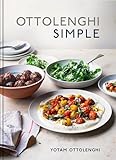
Ottolenghi Simple (2018)
The most practical Ottolenghi — every recipe achievable simply. The book most frequently used by readers who own all his books; the best starting point for readers who found Plenty too ambitious.
Jerusalem (2012)
Ottolenghi’s most personal book — the food of a divided city. As much cultural document as cookbook; his richest writing.
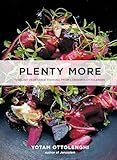
Plenty More (2014)
The sequel to Plenty — more vegetable recipes on the same principles. For readers who cooked through the first book and want more.
Why Plenty Is the Ideal First Book
For a reader new to Yotam Ottolenghi, Plenty is the ideal first book because it is among his most beloved and influential cookbooks and the fullest expression of his distinctive style, the bold, vibrant, vegetable-forward cooking that has made him one of the most influential cooks of his generation. Plenty is a celebration of vegetables, transforming them from side dishes into the center of the plate with bold flavors, generous use of herbs and spices, and the Middle Eastern and Mediterranean influences that define Ottolenghi’s cooking. As an entry point, it offers the purest expression of his distinctive style, the vibrant flavors, the creative use of vegetables, and the generous, abundant approach to cooking that have made him so influential and beloved. It welcomes the newcomer with its inspiring recipes, its bold flavors, and its celebration of vegetables, drawing the home cook into Ottolenghi’s vibrant culinary world. It is among his best-known books and a fine representation of his style, so that the new reader encounters Ottolenghi at his most characteristic. For the newcomer, then, Plenty is an excellent starting point.
What to Expect as a New Reader
As a new reader, you can expect Plenty to be a vibrant, inspiring, vegetable-forward cookbook, full of bold flavors and the Middle Eastern and Mediterranean influences that define Ottolenghi’s cooking. You can expect a celebration of vegetables, for the book transforms vegetables from side dishes into the center of the plate, making them exciting, satisfying, and full of flavor. You can expect bold, vibrant flavors, for Ottolenghi is known for his generous use of herbs, spices, and bold flavor combinations, drawing on his Middle Eastern and Mediterranean heritage. You can expect inspiring and creative recipes that will expand your cooking and introduce new ingredients and techniques. You should expect recipes that are sometimes ambitious, with lists of ingredients and steps that reflect the richness of the cooking, rewarding the home cook willing to engage. You can expect beautiful presentation and an inspiring approach to food. Expect, in short, a vibrant, inspiring, vegetable-forward cookbook full of bold flavors, a delicious introduction to Ottolenghi’s distinctive style.
Going Deeper After Your First Book
Once Plenty has introduced you to Ottolenghi’s vibrant, vegetable-forward style, the reader who wishes to go deeper can explore his other cookbooks, which extend his distinctive cooking across a range of dishes, cuisines, and approaches. His other books include a celebrated exploration of the food of Jerusalem and its diverse traditions, further celebrations of vegetables, and collections aimed at making his vibrant style more accessible for everyday cooking. Reading and cooking from these after Plenty deepens your engagement with Ottolenghi’s distinctive style, the bold flavors, the creative use of vegetables, and the Middle Eastern and Mediterranean influences that define his cooking. His characteristic style runs through his work, and the cook who has been inspired by Plenty will find the same vibrant approach in his other books. Building your culinary journey through Ottolenghi’s work is a matter of following his vibrant, flavor-forward cooking from one inspiring book to the next. The cook who begins with Plenty and continues through his work will find one of the most influential and inspiring cooks of his generation.
Reading Yotam Ottolenghi
Begin with Plenty if you want the book that defined his vision, or Ottolenghi Simple if you want the most immediately practical. Jerusalem is for readers who want his most personal and culturally resonant work. All his books can be used independently.
For the full Yotam Ottolenghi bibliography, reviews, and biography, visit the Yotam Ottolenghi author page on Editors Reads.
Affiliate disclosure: Links to Amazon on this page are affiliate links. We earn a small commission at no extra cost to you.
Frequently Asked Questions
Where should I start with Yotam Ottolenghi?
Plenty (2010) is the recommended starting point for most readers — Ottolenghi's vegetable-focused cookbook that transformed how many home cooks think about plant-based cooking. The recipes use vegetables as the main event rather than as accompaniment, drawing on Middle Eastern, Mediterranean, and Asian flavour traditions; the combination of unusual ingredient pairings, bold spicing, and reliable technique made the book enormously influential. If you have limited pantry space or cook for varied dietary restrictions, Ottolenghi Simple is the more immediately practical alternative.
What is Ottolenghi Simple about?
Ottolenghi Simple (2018) is Ottolenghi's most practical book — recipes that are each achievable through a single cooking method, in thirty minutes or less, or using ten or fewer ingredients (the 'SIMPLE' acronym). The book was designed for home cooks intimidated by the complexity of his earlier books; the recipes are genuinely simpler while retaining his characteristic flavour intensity. The most used book in many Ottolenghi fans' kitchens.
What is Jerusalem about?
Jerusalem (2012), co-written with Sami Tamimi, is Ottolenghi's most personal book — a collection of recipes from the city both men grew up in (Tamimi in East Jerusalem, Ottolenghi in West Jerusalem) that serves simultaneously as a cookbook and a meditation on a city divided. The book is grounded in the specific food culture of Jerusalem: the combination of Jewish, Arab, Armenian, and other traditions that produced a distinctive cuisine. His most culturally resonant work.
Do Ottolenghi's recipes require hard-to-find ingredients?
Ottolenghi's earlier books (Plenty, Jerusalem, Nopi) often call for specialist ingredients — pomegranate molasses, za'atar, sumac, preserved lemons, specific fresh herbs — that were less widely available when the books were published but are now increasingly stocked in supermarkets. Ottolenghi Simple was specifically designed to minimise this barrier. For readers new to his cooking, Simple is the most immediately accessible; Plenty and Jerusalem are richer experiences once the pantry is established.