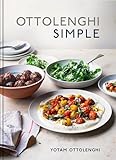
Editors Reads Verdict
Ottolenghi makes his celebrated flavour combinations accessible to weeknight cooks without dumbing them down. The best entry point to his cuisine and one of the most dependable cookbooks of the past decade.
What We Loved
- Every recipe is designed for accessibility without sacrificing Ottolenghi's signature boldness
- The SIMPLE categorisation (Short on time, 10 ingredients or fewer, etc.) is genuinely useful
- Exceptional photography that actually shows what dishes should look like
- The flavour combinations are surprising and repeatable — tahini with roasted vegetables, pomegranate with lamb
Minor Drawbacks
- Some ingredients (za'atar, sumac, tahini) require specialist sourcing in some regions
- Not a comprehensive cooking education — pairs better with a technique reference
- A few recipes are more complex than the 'Simple' label suggests
Key Takeaways
- → Simple does not mean boring — complexity of flavour is achievable with minimal technique
- → Roasting vegetables at high heat is the most reliably delicious cooking technique
- → Middle Eastern flavour combinations (tahini, pomegranate, sumac, za'atar) elevate familiar ingredients
- → Acid (lemon, vinegar, yoghurt) is as important as fat in creating balanced dishes
- → The difference between an adequate dish and a memorable one is often one carefully chosen ingredient
| Author | Yotam Ottolenghi |
|---|---|
| Publisher | Ten Speed Press |
| Pages | 320 |
| Published | October 16, 2018 |
| Language | English |
| Genre | Cooking, Mediterranean, Vegetarian |
| Difficulty | Beginner |
| Best For | Home cooks who want Ottolenghi's bold flavours without spending hours in the kitchen — particularly those already familiar with basic cooking techniques. |
How Ottolenghi Simple Compares
Ottolenghi Simple at a glance against 3 similar books readers weigh alongside it.
| Book | Author | Rating | Best for |
|---|---|---|---|
| Ottolenghi Simple (this book) | Yotam Ottolenghi | ★ 4.7 | Home cooks who want Ottolenghi's bold flavours without spending hours in the |
| Plenty | Yotam Ottolenghi | ★ 4.6 | Home cooks interested in vegetable-centred cooking, particularly those willing |
| Salt, Fat, Acid, Heat | Samin Nosrat | ★ 4.8 | Home cooks from beginners to intermediate who want to move beyond following |
| The Food Lab | J. Kenji López-Alt | ★ 4.8 | Home cooks at any level who want to understand the science behind cooking and |
The Gateway to Ottolenghi
Yotam Ottolenghi is arguably the most influential cookbook author of the twenty-first century. His vegetable-forward Middle Eastern-inflected cooking has changed how millions of people think about vegetables, spices, and the possibilities of everyday cooking. His earlier books — Plenty, Jerusalem, Nopi — are celebrated but demanding.
Ottolenghi Simple is his attempt to make his cooking accessible to weeknight reality. The SIMPLE categories — Short on time, Inspired by ten or fewer ingredients, Make ahead, Pantry, Lazier, Easier than you think — provide practical guidance for when and how to use each recipe. The result is the most accessible entry point to his cuisine, and one of the most dependable cookbooks of the past decade.
The Flavour Philosophy
Ottolenghi’s cooking is defined by the combination of Middle Eastern and Mediterranean ingredients — tahini, pomegranate molasses, sumac, za’atar, preserved lemon, fresh herbs in quantities that feel excessive until you taste the result — applied to techniques that are largely simple: roasting, baking, assembling, occasionally frying.
The key insight is that boldness of flavour does not require complexity of technique. Roasting cauliflower at high heat until caramelised, then dressing it with tahini, lemon, and toasted pine nuts is a ten-minute process (after the roasting) that produces a result that tastes like it required professional training.
The Hero Ingredients
A shopping trip oriented around Ottolenghi Simple will introduce most home cooks to ingredients they may not have used before: preserved lemons (acidic, intensely fragrant), tahini (sesame paste, transformative in dressings and sauces), sumac (tart red spice), rose harissa (peppery and fragrant), and Medjool dates. Once these are in the pantry, dozens of the book’s recipes become genuinely quick to prepare.
The Roasting Principle
If there is a single principle that defines the book, it is: roast vegetables at high heat until they are deeply coloured and beginning to caramelise. This applies to cauliflower, carrots, chickpeas, cherry tomatoes, aubergine, courgette, and almost everything else. The Maillard reaction and caramelisation that occur at 220°C transform mild vegetables into deeply flavoured ones.
Who Ottolenghi Is, and Why It Matters
To understand why Simple was such an event, it helps to understand the phenomenon behind it. Yotam Ottolenghi — an Israeli-born, London-based chef, restaurateur, and longtime Guardian columnist — has done more than almost anyone to reshape modern home cooking, pushing vegetables from the side of the plate to its centre and introducing a generation of Western cooks to the Levantine pantry. His earlier books, Plenty, Jerusalem, and Nopi, were rapturously received but had a reputation, fairly or not, for sprawling ingredient lists and weekend-project ambition. Simple, with its 130 recipes and its clever filtering acronym, was his deliberate answer to the most common complaint about his food: that it was wonderful but impractical. A James Beard Award finalist and New York Times bestseller, it succeeded precisely because it kept the flavour while shedding the friction.
Honest Caveats
The “Simple” label deserves a small asterisk. The book’s own acronym admits that a recipe might qualify as simple in only one of six ways — a dish can land in the book for being make-ahead while still asking for a dozen components — so a handful of recipes are more involved than the cover promises. And while many ingredients are now stocked in mainstream supermarkets, cooks in some regions will still need to source za’atar, sumac, or rose harissa from a specialist or online. None of this undercuts the book; it simply means Simple is best understood as “simplified Ottolenghi,” not as a beginner’s first cookbook. Paired with a technique reference, it shines.
Recipes That Earn Their Reputation
What keeps the book in steady kitchen rotation is the reliability of its dishes. The “curried lentil, tomato and coconut soup,” the “tomato and pomegranate salad,” and the much-loved “braised eggs with leek and za’atar” have become genuine modern classics, passed cook to cook by word of mouth. The roasted aubergine with curried yoghurt, the slow-cooked chicken with clementine, and the many tray-bakes all share a quality rare in cookbooks: they look impressive, taste layered and exciting, and yet collapse, on inspection, into a handful of straightforward steps. Crucially, the recipes work as written — quantities are accurate, timings honest, and substitutions thoughtfully suggested — which is why so many cooks report that Simple is the Ottolenghi book they actually return to, rather than admire from a shelf.
Final Verdict
Ottolenghi Simple is the book that converts people to Ottolenghi’s cooking and makes bold Middle Eastern flavours achievable on a Tuesday night. The photography actually shows you what each dish should look like, the flavour-to-effort ratio is among the best in any modern cookbook, and once the hero ingredients are in your pantry, dozens of its recipes become weeknight staples. It deserves its place on every interested home cook’s shelf.
For anyone who has admired Ottolenghi’s restaurants or Guardian columns from afar but felt daunted by his reputation for complexity, this is the book that finally brings that cooking within everyday reach — and, more than likely, the one that turns an occasional experiment into a permanent change in how you cook vegetables.
In a crowded field of celebrity cookbooks, it stands out for one unglamorous virtue above all: you will actually cook from it, again and again, and the results will reliably outshine the modest effort they demand.
Our rating: 4.7/5 — The most accessible Ottolenghi cookbook and one of the most dependable. Start here if you haven’t cooked his food before.
Frequently Asked Questions
What is "Ottolenghi Simple" about?
Yotam Ottolenghi's most accessible cookbook — recipes designed to be simple without sacrificing the bold flavours and ingredient combinations that define his cooking.
Who should read "Ottolenghi Simple"?
Home cooks who want Ottolenghi's bold flavours without spending hours in the kitchen — particularly those already familiar with basic cooking techniques.
What are the key takeaways from "Ottolenghi Simple"?
Simple does not mean boring — complexity of flavour is achievable with minimal technique Roasting vegetables at high heat is the most reliably delicious cooking technique Middle Eastern flavour combinations (tahini, pomegranate, sumac, za'atar) elevate familiar ingredients Acid (lemon, vinegar, yoghurt) is as important as fat in creating balanced dishes The difference between an adequate dish and a memorable one is often one carefully chosen ingredient
Is "Ottolenghi Simple" worth reading?
Ottolenghi makes his celebrated flavour combinations accessible to weeknight cooks without dumbing them down. The best entry point to his cuisine and one of the most dependable cookbooks of the past decade.
Ready to Read Ottolenghi Simple?
Check the current price on Amazon.
Check Price on Amazon (paid link)Prices and availability are subject to change. See Amazon for current price.
Review last updated: