Books Like Salt, Fat, Acid, Heat: 8 Cookbooks
If Salt, Fat, Acid, Heat taught you the principles behind good cooking, these technique-first cookbooks will deepen your skills — from The Food Lab to the classic kitchen bibles.
Samin Nosrat’s Salt, Fat, Acid, Heat is unlike most cookbooks because it isn’t really organized around recipes. Instead, it teaches the four elements that determine whether food tastes good — and once you understand them, you can season, balance, and rescue a dish without a recipe in front of you. It’s the rare book that genuinely makes you a better cook. If that approach changed how you think about cooking, here are eight more cookbooks that teach you the why, not just the what — from modern technique bibles to the classics that have trained generations.
The Essential Companion
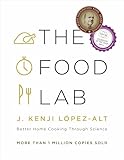
#1 — The Food Lab by J. Kenji López-Alt
If Salt, Fat, Acid, Heat taught you the principles of flavor, The Food Lab: Better Home Cooking Through Science teaches you the science behind the techniques. López-Alt treats home cooking as a series of testable questions — what actually makes the crispiest potatoes, the silkiest eggs, the best sear — and answers them with rigorous, clearly explained experiments. It’s the most natural next read after Nosrat: where she gives you intuition, he gives you the mechanism. Together they’re the core of a learning cook’s shelf.
The Comprehensive References
#2 — How to Cook Everything by Mark Bittman
How to Cook Everything is the all-in-one reference to put your new understanding to work. Bittman covers an enormous range of basic dishes with simple recipes and endless variations, and his teaching-first, no-nonsense approach pairs perfectly with the principles in Salt, Fat, Acid, Heat. It’s the book you reach for when you need to look up how to do something and trust the answer — the practical companion to Nosrat’s conceptual one.
#3 — The Joy of Cooking by Irma S. Rombauer
The Joy of Cooking is the original American kitchen bible, in print since 1931 and updated across generations. More than a recipe collection, it’s a comprehensive guide to cooking fundamentals — how to handle ingredients, basic methods, and the building blocks of countless dishes. For a cook who wants the deepest possible single reference to grow into, it remains unmatched in scope.
The Classics That Teach Technique
#4 — Mastering the Art of French Cooking by Julia Child
Mastering the Art of French Cooking by Julia Child (with Louisette Bertholle and Simone Beck) is arguably the most influential technique cookbook ever written. Its genius is exactly the quality Salt, Fat, Acid, Heat fans love: it doesn’t just give recipes, it teaches the methods — explaining the why and how so thoroughly that you can apply them beyond the page. Demanding but deeply rewarding, it’s the foundation of classical Western cooking technique.
Master One Craft
#5 — BraveTart by Stella Parks
Baking is where understanding why matters most, and BraveTart: Iconic American Desserts by Stella Parks is the technique-first baking book to own. Parks combines meticulously tested recipes with the science and history behind classic American treats, demystifying how baking actually works. For cooks who loved the principle-driven approach of Salt, Fat, Acid, Heat and want to apply it to the dessert side of the kitchen, it’s the perfect match.
#6 — Tartine Bread by Chad Robertson
Tartine Bread by Chad Robertson is the definitive deep dive into one craft: naturally leavened bread. It teaches the process — the feel, the timing, the judgment — rather than just a formula, in the same spirit as Nosrat’s emphasis on developing intuition. For anyone who wants to truly understand fermentation and master sourdough, it’s the book, and it rewards the patient, principle-minded cook.
Apply the Principles to Big Flavor
#7 — Zahav by Michael Solomonov
Zahav: A World of Israeli Cooking by Michael Solomonov is both a teaching book and an inspiring one — a deep exploration of modern Israeli cuisine that shows the principles of Salt, Fat, Acid, Heat in action through bright, layered, acid-forward flavors. From hummus done properly to grilled meats and salatim, it’s a masterclass in balance and seasoning for the cook who wants to apply technique to a vibrant cuisine.
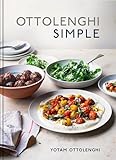
#8 — Ottolenghi Simple by Yotam Ottolenghi
Ottolenghi Simple by Yotam Ottolenghi is a study in how salt, fat, acid, and bold seasoning turn vegetables into something extraordinary. While it’s more recipe collection than technique manual, the flavor principles it demonstrates — generous herbs, bright acidity, layered spicing — are exactly what Nosrat teaches, which makes it a delicious place to practice them. See our guide to where to start with Ottolenghi for more.
Why Technique-First Cookbooks Are Worth It
There’s a reason cooks who fall for Salt, Fat, Acid, Heat tend to seek out more books like it. A recipe tells you what to do once; a technique book teaches you something you’ll use every time you step into the kitchen. Understanding why you salt early, why acid brightens a heavy dish, why a hot pan sears instead of steams — that knowledge compounds. It turns cooking from a series of instructions to follow into a craft you can improvise within, troubleshoot on the fly, and adapt to whatever’s in the fridge. The books above all share that teaching-first spirit, which is what makes them worth returning to for years rather than cooking through once and shelving.
How to Choose Your Next Cookbook
If you want the science behind the technique: The Food Lab.
If you want a comprehensive reference to cook from: How to Cook Everything or The Joy of Cooking.
If you want to master classical technique: Mastering the Art of French Cooking.
If you want to apply the principles to one craft: BraveTart for baking or Tartine Bread for bread.
More Cookbook Guides
- Best Cookbooks for Every Kitchen: Essential Reference and Recipe Books
- Best Ottolenghi Cookbooks: Where to Start with Yotam Ottolenghi
Affiliate disclosure: Links to Amazon on this page are affiliate links. We earn a small commission at no extra cost to you. This does not influence our editorial recommendations.
Frequently Asked Questions
What should I read after Salt, Fat, Acid, Heat?
The natural next step is The Food Lab by J. Kenji López-Alt, which complements Salt, Fat, Acid, Heat by explaining the science behind cooking techniques. For a comprehensive recipe reference to put the principles to work, How to Cook Everything by Mark Bittman is the classic choice, and the traditional kitchen bibles like The Joy of Cooking deepen the foundation.
What is the best cookbook for learning technique?
Salt, Fat, Acid, Heat by Samin Nosrat and The Food Lab by J. Kenji López-Alt are the two best modern technique-first cookbooks — one teaches the principles of flavor and balance, the other the science of why recipes work. Together they form the core of a learning cook's shelf, and the classics like Mastering the Art of French Cooking add depth.
Is Salt, Fat, Acid, Heat a recipe book or a technique book?
Both, but primarily a technique book. The first half teaches the four elements of good cooking as principles you can apply without a recipe; the second half is a collection of recipes to practice them. Books like The Food Lab and How to Cook Everything share that teaching-first approach, prioritizing understanding over just following instructions.
What's a good cookbook for someone who wants to understand cooking, not just follow recipes?
Salt, Fat, Acid, Heat is the best starting point, followed by The Food Lab for the science and How to Cook Everything for a comprehensive reference. These books teach you the why behind techniques so you can improvise, troubleshoot, and cook confidently without a recipe — exactly what sets them apart from standard recipe collections.