Best Cookbooks for Every Kitchen: Essential Reference and Recipe Books
The cookbooks worth owning — from technique-first references like The Food Lab and Salt, Fat, Acid, Heat to flavor-forward recipe collections for every kind of home cook.
A good cookbook shelf does two jobs. Some books teach you how to cook — the techniques and principles you’ll lean on for the rest of your life. Others give you what to cook tonight — a specific cook’s voice and a great dinner. The best-stocked kitchens have a mix of both: a couple of foundational references you return to for years, and a rotating set of recipe collections for inspiration. This guide covers the cookbooks worth owning across both categories, for home cooks at every level.
The Foundational References
These are the books that teach technique and reward rereading. If you own nothing else, start here.
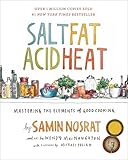
Salt, Fat, Acid, Heat by Samin Nosrat
If you buy one cookbook in your life, make it this one. Salt, Fat, Acid, Heat isn’t organized around recipes so much as around the four elements that determine whether food tastes good. Nosrat teaches you to understand seasoning, richness, brightness, and the application of heat as principles — so that once you’ve internalized them, you can improvise, adapt, and rescue a dish without a recipe in front of you. It’s the rare cookbook that genuinely makes you a better cook, and it’s the most-recommended single title for anyone serious about learning.
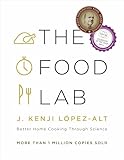
The Food Lab by J. Kenji López-Alt
The Food Lab: Better Home Cooking Through Science is the definitive book for the cook who wants to know why. López-Alt approaches home cooking as a series of testable questions — what actually makes the crispiest roast potatoes, the silkiest scrambled eggs, the best sear — and answers them with rigorous, clearly explained experiments. It’s a doorstop of a reference that pays off every time you want to understand and improve a fundamental technique.
How to Cook Everything by Mark Bittman
How to Cook Everything is exactly what its title promises: a comprehensive, no-nonsense reference covering an enormous range of basic dishes, with simple recipes and endless variations. It’s the book you reach for when you need to look up how to do something — cook a grain, roast a chicken, make a vinaigrate — and trust the answer. Bittman’s 20th-anniversary edition keeps it current, and it remains the go-to all-in-one manual for the home kitchen.
Food Matters by Mark Bittman
For cooks thinking about how and what they eat as much as technique, Food Matters pairs Bittman’s practical recipes with a thoughtful argument for more conscious, plant-forward eating. It’s part manifesto, part cookbook, and a useful companion for anyone looking to shift the balance of their cooking toward simpler, more sustainable everyday meals without giving up flavor.
The Specialists Worth Owning
Books that go deep on one cuisine or craft, and do it better than any generalist.
Zahav by Michael Solomonov
Zahav: A World of Israeli Cooking is one of the most acclaimed cookbooks of the last decade — a deep, generous exploration of modern Israeli cuisine from one of its most celebrated chefs. From hummus done properly to the full range of salatim, grilled meats, and breads, it’s both a teaching book and an inspiring one. For anyone drawn to the bright, layered flavors of the eastern Mediterranean, it’s essential.
BraveTart by Stella Parks
BraveTart: Iconic American Desserts is the modern reference for American baking. Parks combines meticulously tested recipes with the history and science behind classic treats, demystifying everything from layer cakes to homemade versions of supermarket favorites. For home bakers who want both reliable results and an understanding of how baking actually works, it’s one of the best books on the shelf.
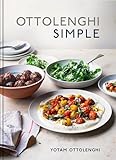
Ottolenghi Simple by Yotam Ottolenghi
Ottolenghi Simple brings the bold, vegetable-forward, flavor-packed style that made Yotam Ottolenghi famous into a more approachable, weeknight-friendly format. Recipes are flagged by how they’re “simple” — short on ingredients, made ahead, ready fast — so you get the signature Ottolenghi flavor without the project-cooking commitment of his larger books.
The Flavor-Forward Recipe Collections
Once you have your references, these are the books you cook from for the joy of it.
- Half Baked Harvest Super Simple by Tieghan Gerard — cozy, flavor-forward comfort food streamlined for real weeknights. See our guide to which Half Baked Harvest cookbook to buy.
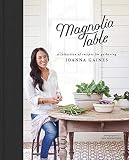
- Magnolia Table by Joanna Gaines — warm, approachable, family-centered recipes for gathering. See our Magnolia Table volumes guide.
- Cravings by Chrissy Teigen — indulgent, personality-packed comfort food. See our Cravings cookbooks in order.
How to Build Your Cookbook Shelf
If you’re starting from scratch, a simple plan covers almost any cook:
- One principles book — Salt, Fat, Acid, Heat to learn how cooking works.
- One comprehensive reference — How to Cook Everything to look up any basic dish.
- One recipe collection that matches your taste — Half Baked Harvest, Magnolia Table, or Cravings, depending on the food you actually want to eat.
- A specialist or two — Zahav or BraveTart once you know what you love to cook.
That four-part shelf will take a home cook from beginner to confident, and it leaves plenty of room to grow as your tastes do.
More Cookbook Guides
- Best Half Baked Harvest Cookbook: Which Tieghan Gerard Book to Buy
- Magnolia Table Books in Order: Joanna Gaines’s Cookbook Guide
- Chrissy Teigen Cravings Books in Order: Complete Cookbook Guide
Affiliate disclosure: Links to Amazon on this page are affiliate links. We earn a small commission at no extra cost to you. This does not influence our editorial recommendations.
Frequently Asked Questions
What is the one cookbook every home cook should own?
If you can only own one, Salt, Fat, Acid, Heat by Samin Nosrat is the most widely recommended, because it teaches the underlying principles of good cooking rather than just recipes — once you understand them, you can improvise and fix dishes on your own. For a comprehensive recipe reference, How to Cook Everything by Mark Bittman is the classic all-in-one choice.
What is the best cookbook for learning to cook?
For learning the fundamentals, Salt, Fat, Acid, Heat by Samin Nosrat and The Food Lab by J. Kenji López-Alt are the two best technique-first books — one focuses on the principles of flavor and the other on the science of why recipes work. How to Cook Everything by Mark Bittman is the best comprehensive reference for looking up any basic dish.
What's the difference between a reference cookbook and a recipe collection?
A reference cookbook (like How to Cook Everything or The Food Lab) teaches techniques and covers a huge range of basic dishes you'll return to for years. A recipe collection (like Half Baked Harvest, Magnolia Table, or Cravings) is built around a specific cook's style and is for inspiration and a good night's dinner. A well-rounded kitchen has at least one of each.
Which cookbook is best for baking?
For American desserts and baking science, BraveTart by Stella Parks is one of the most respected modern baking books, combining reliable recipes with the history and technique behind iconic treats. It's a strong choice for home bakers who want both great results and an understanding of how baking works.