Best African American Literature: Essential Reading List
The best African American literature — from Beloved and Invisible Man to The Color Purple and Song of Solomon. The most essential works in the Black literary tradition.
By Aisha Patel

African American literature is one of the great traditions in world literature — shaped by the specific conditions of enslavement, segregation, and the ongoing negotiation of Black identity in a country that has both produced and denied Black American culture. The writers in this tradition have had to do something that no other major literary tradition has been required to do: create a literature against a system of power that worked to deny the humanity of the people writing it.
The works below span from the Harlem Renaissance to the contemporary moment, from the novel to the essay to the memoir, and represent the essential reading in a tradition that has produced some of the greatest literature in American history.
The Essential Novels
Beloved — Toni Morrison (1987)
The greatest African American novel and a strong contender for the greatest American novel of the twentieth century. Morrison’s subject is what slavery actually did to Black people — not as history but as lived experience, rendered through a fractured prose style that enacts the fragmentation of identity under conditions designed to deny selfhood. Sethe’s decision to kill her daughter rather than see her returned to slavery, and the ghost that returns to haunt the household, are Morrison’s instruments for examining what cannot be said directly.
Morrison was awarded the Nobel Prize for Literature in 1993.
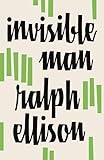
Invisible Man — Ralph Ellison (1952)
The most important novel about Black identity in America. The unnamed narrator’s journey from Southern college to Harlem — through encounters with white liberals, Black nationalists, and the Communist Party — is structured to demonstrate a single devastating thesis: American society refuses to see Black people as individuals. They are symbols, threats, exotic objects, tools, tokens, everything except people. Ellison renders this with sustained irony and an energy that makes the novel simultaneously a comedy and a tragedy.
Their Eyes Were Watching God — Zora Neale Hurston (1937)
The foundational novel of the Harlem Renaissance, neglected for decades and recovered by Alice Walker in the 1970s. Janie Crawford’s search for love and self-determination — through three marriages and an eventual settlement with Tea Cake, a younger man who actually sees her — is narrated in a vernacular prose that draws on the oral tradition of the African American South with unprecedented confidence and beauty. Hurston’s celebration of Black folk culture, at a time when the prevailing literary mode was protest, made her controversial among her contemporaries and has made her essential to subsequent generations.
The Tradition of Witness
The Bluest Eye — Toni Morrison (1970)
Morrison’s first novel — the story of Pecola Breedlove, a Black girl in 1940s Lovelace, Ohio, who prays for blue eyes because she believes they would make her beautiful and therefore loved. Morrison’s examination of how white standards of beauty damage Black self-image — how a culture can teach people to hate themselves — is rendered with a directness and compassion that makes this short novel one of her most important.
Song of Solomon — Toni Morrison (1977)
Morrison’s third novel, which brought her mainstream recognition. Milkman Dead’s search for family gold leads him to a recovery of his family’s history and identity. The novel draws on African American oral tradition, folklore, and the specific geography of Michigan, Pennsylvania, and Virginia to tell a story about what Black American men inherit and what they search for. It is one of Morrison’s most accessible novels and among her most joyful.
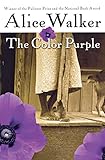
The Color Purple — Alice Walker (1982)
Walker’s Pulitzer Prize-winning epistolary novel — the story of Celie, an abused Black woman in rural Georgia in the early twentieth century, told through her letters to God and then to her sister Nettie in Africa. The novel is about the discovery of self-worth, the solidarity of women, and the specific kind of spiritual transformation that occurs when a person finally has their experience witnessed and confirmed. It is the most widely read African American novel after Beloved.
Sula — Toni Morrison (1973)
Morrison’s second novel — the story of the lifelong friendship between Sula and Nel in Medallion, Ohio, from childhood through old age, and the ways that both women pay for their choices in a community that polices Black women’s behaviour with particular ferocity. Shorter and more experimental than Morrison’s later work, and one of the most unsettling explorations of female friendship in American fiction.
The Essay Tradition
Notes of a Native Son — James Baldwin (1955)
The foundational African American essay collection — Baldwin’s examination of race in America through his personal experience and the culture around him is the most important literary non-fiction in the tradition. “Notes of a Native Son” (the title essay) and “Stranger in the Village” (Baldwin’s experience as the only Black person in a Swiss village) are required reading for understanding both Baldwin and the tradition he helped create.
A Tradition Forged in Struggle
African American literature is a tradition forged in the crucible of struggle, born from the experience of slavery and shaped by the long fight against oppression, and this origin gives the tradition a distinctive power, urgency, and moral authority unlike that of any other body of American writing. From its very beginnings, African American literature has been inseparable from the struggle for freedom and equality, emerging from the experience of enslavement and developing through the long history of oppression and resistance that has defined the African American experience. This origin in struggle marks the tradition profoundly, lending it a moral seriousness, an urgency, and a power born of the conditions from which it arose. The earliest African American literature emerged under the brutal conditions of slavery, when literacy itself was forbidden to the enslaved and the act of writing was an assertion of humanity against a system that denied it, and this foundational connection between writing and the struggle for freedom and human dignity has remained central to the tradition throughout its development. African American literature has borne witness to the realities of oppression, asserted the humanity and dignity denied by a racist society, and given voice to the experience and the aspirations of a people in struggle, and this engagement with the fight for freedom and equality has given the tradition its distinctive moral power and urgency. To read African American literature is to encounter a body of writing forged in struggle, marked by the conditions from which it arose, and possessed of a moral seriousness and a power born of its origins in the fight against oppression. This tradition forged in struggle is one of the most powerful and morally serious in all of American letters, and its origins in the experience of slavery and the long fight for freedom give it a distinctive authority and urgency that continue to mark it to the present day.
Double Consciousness and the Question of Identity
A central and recurring concern of African American literature, articulated most famously in the concept of “double consciousness,” is the complex question of identity — the experience of being both American and Black in a society that has too often treated these identities as in tension, and the resulting sense of a divided or doubled self that the tradition explores with unmatched depth. The concept of double consciousness, the sense of looking at oneself through the eyes of a society that devalues one’s race, of feeling one’s identity divided between being American and being Black, captures a central dimension of the African American experience that the literature has explored throughout its history. This exploration of identity runs through the tradition, examining the experience of living as a Black American in a society shaped by racism, the tension between one’s sense of oneself and the way one is seen and defined by a racist society, and the complex work of forging an integrated identity and a sense of dignity and worth against the pressures of a society that has denied them. African American literature has explored this question of identity with extraordinary depth and insight, illuminating the psychological and existential dimensions of the African American experience, the burden of double consciousness, and the struggle to achieve a whole and dignified sense of self in the face of a society that has too often denied it. This profound exploration of identity is among the most significant contributions of the tradition, for it illuminates not only the African American experience but the universal human struggle for identity and dignity, rendered with particular depth and urgency by the specific conditions of the African American experience. The question of identity, of what it means to be both American and Black in a society marked by racism, lies at the heart of African American literature, and the tradition’s exploration of double consciousness and the struggle for an integrated and dignified self is among its deepest and most powerful achievements.
From Witness to Celebration
The range of African American literature extends far beyond the documentation of suffering and protest to encompass the full breadth of human experience and the rich celebration of African American life, culture, and creativity — and appreciating this full range is essential to understanding the tradition in its true richness and diversity. There is a temptation to reduce African American literature to the literature of protest and suffering, to see it solely as a record of oppression and a cry against injustice, but this reduction badly misrepresents the tradition’s true range and richness. While African American literature has indeed borne witness to oppression and protested injustice, it has also celebrated the beauty, resilience, creativity, and joy of African American life and culture, exploring the full breadth of human experience as lived by African Americans and affirming the richness and vitality of a culture that has flourished despite oppression. The tradition encompasses not only the literature of protest and witness but also the celebration of African American music, language, community, and creativity, the exploration of love, family, and the full range of human experience, and the affirmation of the beauty, dignity, and vitality of African American life and culture. This full range, from witness to celebration, from protest to affirmation, reflects the true richness and diversity of the tradition, which is not merely a literature of suffering and struggle but a literature that encompasses the whole of human experience as lived by African Americans and that celebrates the resilience, creativity, and joy of a people and a culture. Appreciating this full range is essential to understanding African American literature in its true richness, for the tradition is far more than a record of oppression, encompassing the full breadth of human experience and the rich celebration of African American life, culture, and creativity. From witness to celebration, the tradition spans the whole range of human experience, and its richness lies precisely in this breadth, in its capacity to bear witness to oppression while also celebrating the beauty, resilience, and vitality of African American life.
Reading Order
Start with Morrison: Beloved → The Bluest Eye → Song of Solomon.
Historical sweep: Their Eyes Were Watching God → Invisible Man → Beloved → The Color Purple.
For the full tradition: Their Eyes Were Watching God (Harlem Renaissance) → Notes of a Native Son (1950s) → Invisible Man (1952) → Beloved (1987) → The Underground Railroad (2016).
Frequently Asked Questions
What is the most important work of African American literature?
Beloved by Toni Morrison is the most celebrated African American novel — winner of the Pulitzer Prize and the Nobel Prize for its author, and widely considered the greatest American novel of the twentieth century. Invisible Man by Ralph Ellison is the most important novel about the specific experience of Black identity in America — the unnamed narrator's encounters with a society that refuses to see him as an individual are the most complete rendering of that experience in fiction. Their Eyes Were Watching God by Zora Neale Hurston is the foundational novel of the Harlem Renaissance and the most important literary precursor to the twentieth-century tradition.
What is the Harlem Renaissance?
The Harlem Renaissance was a cultural and intellectual movement centred in Harlem, New York, in the 1920s and 1930s, during which African American artists, writers, and musicians produced work that reshaped American culture. Key figures included Zora Neale Hurston, Langston Hughes, Claude McKay, Countee Cullen, and others. The literary output of the period established African American literary identity as a distinct and major tradition. Their Eyes Were Watching God (Hurston, 1937) and various poetry collections by Hughes are the most widely read literary works of the period.
What is Beloved about?
Beloved by Toni Morrison (1987) is set in Cincinnati after the Civil War and follows Sethe, a former enslaved woman who killed her infant daughter rather than see her returned to slavery, and who is haunted by the ghost of that daughter. Morrison renders the interior experience of enslavement — its specific destruction of selfhood, the violence done to Black families across generations — with a fractured prose that enacts the fragmentation of identity under conditions designed to deny it. The novel won the Pulitzer Prize in 1988 and is the central work in the African American literary tradition.
What is Invisible Man about?
Invisible Man by Ralph Ellison (1952) follows an unnamed Black narrator from the American South to Harlem through a series of encounters that demonstrate how American society refuses to see Black people as individuals — projecting onto them whatever symbolic role is most convenient. The novel moves through encounters with white liberals, Black nationalists, and the Communist Party, with an irony that is both comic and devastating. The narrator is invisible not physically but socially: no one in the novel sees him as an individual rather than a symbol. The novel won the National Book Award and is among the greatest American novels of the century.