Best Books About Food: Essential Reading List
The best books about food — from Kitchen Confidential and The Omnivore's Dilemma to Salt Fat Acid Heat and In Defense of Food. Food writing at its most essential.
By Priya Anand

Food writing at its best is about more than recipes and restaurants — it is about culture, history, class, agriculture, and the ways that what we eat connects us to and separates us from the world. The books below range from the behind-the-scenes revelations of professional kitchen life to the political economy of the American food system to the meditative pleasures of travel and cooking.
The Essential Food Memoirs
Kitchen Confidential — Anthony Bourdain (2000)
The book that created modern food writing. Bourdain’s account of his years as a line cook and chef in New York restaurants — the drug use, the kitchen hierarchy, the specific pleasures and brutalities of professional cooking, the gap between the restaurant’s front-of-house calm and its back-of-house chaos — was the first food memoir to treat kitchens as workplaces and to write about food from the perspective of the people who produce it rather than the people who consume it.
Bourdain’s voice — irreverent, specific, frequently profane — became the defining voice of food writing in the 2000s and launched the celebrity chef as television phenomenon.
Food and Politics
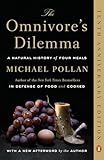
The Omnivore’s Dilemma — Michael Pollan (2006)
The most important non-fiction book about food of the last twenty years. Pollan investigates four food chains — industrial, organic, local pastoral, and hunter-gatherer — by following each from its origins to a meal, tracing the full supply chain that connects what appears on the plate to the agricultural and industrial systems that produced it. His account of corn — which underpins the entire American industrial food system — is the most clarifying account of industrial agriculture available to general readers.
The book changed how many readers think about food choices and made Pollan the most influential food writer in America.
In Defense of Food — Michael Pollan (2008)
Shorter and more direct than The Omnivore’s Dilemma — a seven-word argument for eating traditional food rather than food products: “Eat food. Not too much. Mostly plants.” Pollan traces the rise of nutritionism (the reduction of food to its nutrient components) and argues that it has made us worse eaters — more anxious about individual nutrients, less likely to follow the traditional dietary wisdom that kept previous generations healthy. The best introduction to Pollan if The Omnivore’s Dilemma seems too long.
Cooking as Art and Pleasure
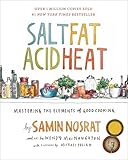
Salt Fat Acid Heat — Samin Nosrat (2017)
The most original and most beautiful cooking book of recent years. Nosrat argues that all good cooking is the product of four elements — salt (for flavour), fat (for texture and flavour), acid (for brightness and balance), and heat (for transformation) — and that understanding these elements allows a cook to improvise and adapt rather than simply following recipes. The book is illustrated by Wendy MacNaughton, and its design is as much an argument as its text. It teaches cooking in a way that recipes alone cannot.
Food, Travel, and Pleasure
Eat, Pray, Love — Elizabeth Gilbert (2006)
Gilbert’s memoir of a year spent in Italy, India, and Indonesia — eating in Rome, meditating in an ashram, finding balance in Bali — is primarily a self-discovery narrative, but the Italian section (the eating section) is among the most enthusiastic and specific accounts of the pleasures of Italian food in travel writing. For readers interested in the relationship between food, place, and personal transformation.
Food Writing Is Never Just About Food
The premise that unites the otherwise diverse books on this list is that great food writing is always about much more than what is on the plate. Food sits at the intersection of nearly everything that matters in human life — culture and identity, history and memory, economics and politics, pleasure and morality, family and community — and the best food books use the subject as a lens onto these larger themes. Bourdain’s Kitchen Confidential is ostensibly about restaurant cooking, but it is really about labor, hierarchy, addiction, and the brutal, exhilarating subculture of the professional kitchen, treating food from the perspective of those who produce it rather than those who consume it. Pollan’s books use the question of what to eat as an entry point into a sweeping examination of industrial agriculture, the corn economy, public health, and the relationship between modern humans and the natural systems that feed them. Even a cooking instruction book like Salt Fat Acid Heat becomes, in Nosrat’s hands, an argument about understanding over rote obedience, about the principles that liberate a cook from mere recipe-following. This is why food writing rewards readers who have no particular interest in cooking: the subject is a window, not a wall. Through food, these books illuminate how societies are organized, how cultures express their values, how class and power shape something as basic as what people eat, and how one of the most ordinary of daily activities connects each individual to vast systems of agriculture, commerce, and history. To read seriously about food is to read about the human condition itself, refracted through the universal and intimate act of eating.
From the Kitchen to the Food System
A useful way to navigate the world of food writing, and to understand the range represented on this list, is to recognize the spectrum it spans — from the intensely personal and sensory to the broadly political and systemic. At one end sit the books concerned with food as immediate experience: the pleasures of cooking and eating, the craft of the kitchen, the sensory and emotional dimensions of meals. Nosrat’s celebration of cooking’s fundamental principles, the enthusiastic descriptions of Italian eating in Gilbert’s memoir, and the visceral kitchen world of Bourdain all engage food at this human, experiential level, reminding us that eating is one of life’s great daily pleasures and that cooking is a meaningful craft and act of care. At the other end sit the books concerned with food as a system: the agricultural, economic, and political structures that determine what is grown, how it reaches us, and at what cost to health, the environment, and the people who labor within the system. Pollan is the master of this mode, tracing the supply chains that connect a meal to the industrial machinery behind it, and revealing the hidden politics of the seemingly simple act of choosing what to eat. The richest understanding of food comes from reading across this entire spectrum — from appreciating the immediate joys of the table while also grasping the vast systems that supply it, from loving food as pleasure while also thinking critically about food as politics. The books on this list, taken together, offer exactly this dual education, ensuring that the reader emerges both a more appreciative eater and a more informed citizen of the food system.
How Food Writing Changed What We Eat
One of the most remarkable things about the books on this list is their measurable impact on how a generation actually thinks about and consumes food — a reminder that food writing is not a minor or merely entertaining genre but a genuinely influential one. Few books about any subject can claim to have changed behavior at the scale these have. Pollan’s The Omnivore’s Dilemma and In Defense of Food did more than inform; they helped catalyze the entire movement toward conscious eating, local and organic food, farmers’ markets, and skepticism toward industrial agriculture that has reshaped the food landscape over the past two decades, and Pollan’s seven-word maxim — “Eat food. Not too much. Mostly plants.” — entered the culture as folk wisdom. Bourdain’s Kitchen Confidential transformed the public image of chefs and restaurants, helped launch the era of celebrity chefs and food television, and changed how a generation understood what happens behind the kitchen door. Nosrat’s Salt Fat Acid Heat altered how home cooks approach their craft, shifting countless people from anxious recipe-following toward confident improvisation. This influence reflects something important about food’s place in human life: because eating is universal, daily, and deeply tied to health, identity, and pleasure, writing that genuinely illuminates it can move people to change their habits in ways that writing about more abstract subjects rarely achieves. The books gathered here are not merely good reading; they are texts that have shaped a culture’s relationship to one of its most fundamental activities, and engaging with them is a way of understanding not only food itself but the forces that have transformed how we eat.
Reading Order
Food culture: Kitchen Confidential → The Omnivore’s Dilemma → In Defense of Food.
Food and pleasure: Salt Fat Acid Heat → Eat, Pray, Love → A Year in Provence.
Food politics: The Omnivore’s Dilemma → In Defense of Food → The Age of Surveillance Capitalism (for food and data).
Frequently Asked Questions
What is the best book about food?
Kitchen Confidential by Anthony Bourdain is the most entertaining and most influential food book of the last thirty years — Bourdain's account of his years as a chef in New York restaurants, with its frank account of kitchen culture, drug use, and the specific pleasures and brutalities of professional cooking, became a bestseller and launched a new genre of food writing. The Omnivore's Dilemma by Michael Pollan is the most important non-fiction book about food policy and agriculture — an investigation of where American food comes from that changed many readers' relationship to what they eat. Salt Fat Acid Heat by Samin Nosrat is the most useful and most beautifully designed cooking book of recent years.
What is The Omnivore's Dilemma about?
The Omnivore's Dilemma by Michael Pollan (2006) investigates four different food chains — industrial, organic, local/pastoral, and hunter-gatherer — by following each from its sources to a meal. Pollan traces the industrial meal from corn (which underpins the entire American food system) through feedlots and processing to a fast-food dinner, and then follows increasingly local and sustainable alternatives. The book changed how many readers think about food choices and food policy, and its central question — when everything is available to eat, how do we decide what to eat? — has only become more urgent.
What is Kitchen Confidential about?
Kitchen Confidential (2000) is Anthony Bourdain's memoir of his years as a line cook and chef in New York restaurants — from his introduction to cooking as a teenager in France through the various kitchens (including Les Halles, where he was executive chef when the book was published) that formed his career. Bourdain writes with extraordinary candour about drug and alcohol use among kitchen staff, the physical demands of professional cooking, the specific hierarchy of the kitchen brigade, and the gap between the romantic image of restaurants and the reality of running them. It was the first food memoir to reach a mass audience by treating kitchens as workplaces rather than temples.
What is In Defense of Food about?
In Defense of Food by Michael Pollan (2008) is shorter and more polemical than The Omnivore's Dilemma — a direct argument for eating food (as opposed to food-like products), not too much of it, mostly plants. Pollan traces the rise of nutritionism (the reduction of food to its nutrients) and argues that it has made us worse at eating — more anxious about individual nutrients, less likely to follow the traditional dietary patterns that kept previous generations healthy. The book's seven-word summary ('Eat food. Not too much. Mostly plants.') is among the most quoted in popular non-fiction.