Books Like The Fault in Our Stars: 10 Emotional Reads
If The Fault in Our Stars left you wrecked — the wit, the love story, the grief, the refusal to sentimentalise — these 10 books give you the same experience. The best books like TFIOS.

The Fault in Our Stars works because it earns its tears. Hazel and Augustus are not tragic figures in the conventional sense — they are smart, funny, and unsentimental about their own situation. Their love story is not a redemption arc. It is two intelligent teenagers who fall in love knowing it will end, and the question is not whether it ends but what it means that it was there at all.
The books below share The Fault in Our Stars’ essential qualities: emotional honesty without sentimentality, love stories where the stakes are genuinely high, and the understanding that grief and love are the same thing with different time signatures.
More John Green First
Looking for Alaska — John Green (2005)
Green’s debut and the book that established his voice. Miles Halter goes to boarding school in Alabama and falls in with a group of students including Alaska Young — brilliant, reckless, and damaged. The novel is divided into “before” and “after” by an event the reader knows is coming: the “before” is the falling in love; the “after” is the attempt to understand what happened and whether it was preventable.
Looking for Alaska is darker than TFIOS and less resolved — which is also why some readers prefer it. It does not provide the same kind of ending.
An Abundance of Katherines — John Green (2006)
Colin Singleton has been dumped by nineteen girls named Katherine. He and his best friend Hassan drive south from Chicago to figure out what went wrong. Lighter and funnier than Green’s other work, with more mathematical content (Colin is a prodigy who attempts to develop a theorem predicting relationship outcomes). For readers who love Green’s dialogue and want something less devastating.
Paper Towns — John Green (2008)
Quentin Jacobsen has been in love with his neighbour Margo Roth Spiegelman his entire life. When Margo disappears — leaving a series of clues — he and his friends go looking for her. Paper Towns is Green’s most plot-driven novel and the most critically discussed for its treatment of the manic-pixie-dream-girl trope: the novel is partly about the problem of idolising a real person into a symbol.
Adult Fiction with the Same Emotional Register
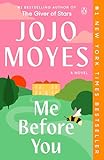
Me Before You — Jojo Moyes (2012)
Louisa Clark takes a job as a companion to Will Traynor, a former investment banker now quadriplegic after an accident. What develops is a love story, and also a philosophical crisis: Will has announced his intention to die by assisted suicide in six months. Can love be a reason to live for someone who has decided it isn’t?
Me Before You is the adult equivalent of The Fault in Our Stars — same emotional intensity, same refusal to offer a comfortable resolution, same question of what love is worth when it can’t save someone. The ending is as divisive and as honest.
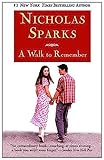
A Walk to Remember — Nicholas Sparks (2000)
A North Carolina teenager falls in love with the minister’s daughter — who is dying. Sparks is more sentimental than Green (the novel has a more traditional redemptive arc) but deals with the same core experience: falling in love knowing the person you love is terminally ill, and what that does to both people. For readers who want the emotional arc without Green’s ironic self-awareness.
Other Emotionally Resonant Reads
The Book Thief — Markus Zusak (2005)
Narrated by Death, set in Nazi Germany, following a girl who steals books. The Book Thief is technically a young adult novel but reads more like literary fiction. It deals with grief, love, and loss on a different scale than TFIOS — the individual against the backdrop of historical catastrophe — but with the same refusal to offer false consolation.
It Ends With Us — Colleen Hoover (2016)
For TFIOS readers who are ready for adult contemporary fiction. Lily Bloom falls in love with Ryle Kincaid — and the relationship becomes something more complicated and more dangerous than it appears. It Ends With Us deals with domestic abuse with honesty and nuance, and the ending is not resolved in the way readers might hope. The emotional devastation is real. See also: our full guide to books like Ugly Love.
The Five People You Meet in Heaven — Mitch Albom (2003)
An old man named Eddie dies on his birthday and meets five people in heaven who each reveal a chapter of his life’s meaning. Albom is more overtly spiritual than Green and less literary — but the core subject (finding meaning in love and loss) is the same. For readers who want the emotional experience without irony or ambiguity.
What These Books Share
What unites the books on this list, and what made The Fault in Our Stars so beloved, is a particular emotional register, the willingness to confront illness, loss, and mortality directly, but with intelligence, wit, and warmth rather than mere sentimentality. These are books that make readers cry, but they earn their tears through genuine feeling, sharp characterization, and honest engagement with the hardest parts of life. They take young people, and their loves and losses, seriously, granting them depth, articulacy, and emotional reality.
If you loved The Fault in Our Stars, you are likely drawn to this combination of heartbreak and intelligence, of stories that are sad without being maudlin and funny without being flippant. The best read-alikes share its refusal to look away from suffering while insisting, nonetheless, on love, humor, and meaning. Whether you stay with John Green’s other novels, which offer the same witty, emotionally honest voice, or move into the adult fiction and other emotionally resonant reads recommended above, you will find the same balance of feeling and intelligence that made The Fault in Our Stars resonate so deeply. These are books to read when you want a story that will move you and respect you at the same time.
Reading Order for New Readers
Start with Green: The Fault in Our Stars → Looking for Alaska → Paper Towns.
For adult fiction: Me Before You → It Ends With Us.
For something more literary: The Book Thief → Never Let Me Go by Kazuo Ishiguro (the most literary novel about love under the knowledge of death currently available).
Frequently Asked Questions
What is The Fault in Our Stars about?
The Fault in Our Stars follows Hazel Grace Lancaster, a sixteen-year-old with terminal thyroid cancer, who meets Augustus Waters at a cancer support group. They fall in love — and the novel follows their relationship through the progression of Hazel's illness, their trip to Amsterdam to meet a reclusive author, and what loss means when you know from the beginning it is coming. It is distinguished from other YA cancer novels by its refusal to sentimentalise: the characters are wry, intelligent, and aware of the literary tropes they inhabit.
Why is The Fault in Our Stars so popular?
The novel works because it combines several things that rarely appear together: genuine wit and intelligence in the dialogue, emotional honesty about what dying actually feels like, and a love story that feels earned rather than convenient. Hazel and Augustus don't fall in love because of their illness — they fall in love because they are interesting to each other. The novel also refuses to deliver the emotional resolution that lesser books provide: the grief is real and not resolved.
What John Green book should I read after The Fault in Our Stars?
Looking for Alaska is John Green's debut and the book that established his voice. It deals with the same themes — adolescence, loss, the search for meaning — with the same intelligence but a different structure (a 'before' and 'after' divided by the central event). Paper Towns is lighter and more plot-driven. For most TFIOS fans, Looking for Alaska is the natural next choice.
Is Me Before You similar to The Fault in Our Stars?
Yes — both are love stories under the pressure of terminal illness or disability, both refuse easy resolution, and both have been made into successful films. The key difference is that Me Before You is adult fiction (the protagonists are adults, the content is more mature) and its central ethical question — whether a person in Will Traynor's situation has the right to choose assisted dying — is one that TFIOS does not address. Readers who outgrow YA and want the same emotional intensity in an adult context should read Me Before You.