The Iliad vs The Odyssey: Which to Read First?
Homer's two epics tell very different stories — one a war, one a journey home. Here's how The Iliad and The Odyssey compare in difficulty, theme, and pleasure, and which to read first.

They are the two foundational poems of Western literature, both attributed to Homer, both set around the Trojan War — and yet reading one is nothing like reading the other. The Iliad is a war poem: tight, furious, and tragic, compressing its action into a few weeks of a decade-long siege. The Odyssey is an adventure: sprawling, inventive, and full of wonders, following one man’s ten-year struggle to get home. If you’re deciding where to start, the choice comes down to what kind of reading experience you want.
Here’s an honest comparison of The Iliad and The Odyssey — what each is really about, which is harder, and where to begin.
What The Iliad is about
The Iliad opens not with the start of the Trojan War but in its tenth year, with a single word that sets its whole tone: rage. The Greek champion Achilles, slighted by his commander, withdraws from the fighting, and the poem traces the catastrophic consequences. It is a study of honour, wrath, grief, and the unbearable cost of war — culminating in some of the most devastating scenes in all of literature, as enemies confront each other not as heroes but as grieving human beings.
It is narrow by design. The whole epic covers only a few weeks, and much of it is battle. But within that compression, The Iliad reaches an emotional intensity The Odyssey never attempts. It is the greater poem, many readers and scholars argue — and also the more demanding one.
What The Odyssey is about
The Odyssey picks up after the war is won, following Odysseus as he tries to sail home to Ithaca — a journey that takes ten years and runs through a gauntlet of monsters, witches, gods, and temptations. The Cyclops, the Sirens, Circe, the underworld: the poem’s most famous episodes are pure storytelling, vivid and strange and endlessly retold.
Where The Iliad is a single sustained tragedy, The Odyssey is episodic and varied — part adventure, part homecoming, part revenge. It also has a structure modern readers find easier to follow: one hero, one goal, and a clear pull toward home. That’s why it’s the more common starting point.
How they differ
The first difference is focus. The Iliad is a war poem with a huge cast of warriors and gods; The Odyssey follows essentially one man on one quest. If you love sweeping ensembles, the former; if you prefer a single protagonist to follow, the latter.
The second is tone. The Iliad is relentless and tragic, built around rage and mortality. The Odyssey is curious and adventurous, even playful, for all its danger. One ends in grief; the other ends in homecoming.
The third is difficulty. The Iliad’s battle catalogues and enormous cast make it the steeper climb. The Odyssey’s episodic monsters-and-magic structure carries you along. A strong modern translation — Emily Wilson’s, Robert Fagles’s — makes both far more readable than their reputations suggest.
Which should you read first?
Start with The Odyssey if you want the more accessible, faster-moving story, you love myth and adventure, or you simply want to enjoy Homer before you study him. It’s the friendlier introduction, and its episodes are the ones woven most deeply into our culture.
Start with The Iliad if you want the chronological order, you’re drawn to tragedy over adventure, or you want to experience the more profound poem first and let The Odyssey be the lighter reward afterward. Be ready for a denser, more demanding read.
For most readers new to Homer, The Odyssey first is the right call — it builds the confidence and affection that make The Iliad’s weight land harder when you reach it.
A note on translations
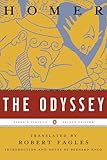
More than almost any classics, your experience of Homer depends on the translation. For both poems, Emily Wilson’s recent versions are clear, propulsive, and ideal for first-time readers; Robert Fagles’s are more grand and traditional. Avoid older free-domain prose translations as your first encounter — they’re the main reason these poems have a reputation for being a slog. With the right translation, both read far more like the gripping stories they are.
Read next
If Homer leaves you hungry for the myths told from new angles, Madeline Miller’s The Song of Achilles retells the heart of The Iliad through the love between Achilles and Patroclus, and Circe gives a full life to the witch Odysseus meets in The Odyssey. Both are perfect companions — and gentler on-ramps if Homer still feels daunting. For more, browse our classics shelf and start with whichever epic matches the story you’re in the mood for.
Frequently Asked Questions
Should I read The Iliad or The Odyssey first?
Most readers should start with The Odyssey. It's the more accessible of the two — a single hero's adventure-filled journey home, with monsters, gods, and a clear forward momentum. The Iliad is the greater achievement for many critics, but its dense battle scenes and huge cast make it the harder entry point. Chronologically The Iliad comes first, but you lose nothing by reading The Odyssey first.
Which is harder to read, The Iliad or The Odyssey?
The Iliad is harder. It has a vast cast of warriors, long passages of battle, and a narrower emotional range focused on rage and grief. The Odyssey is more episodic and varied — shipwrecks, monsters, disguises — which makes it move faster and feel more like a story you're swept along by. A good modern translation narrows the gap considerably for both.
Do I need to read The Iliad to understand The Odyssey?
No. The Odyssey stands completely on its own — it follows Odysseus after the Trojan War, and the few references back to the war are easy to follow. Reading The Iliad first adds depth and emotional weight, but it isn't required. Many readers do The Odyssey first and return to The Iliad later.