Where to Start with Alice Walker: A Reading Guide
Where to start with Alice Walker — whether to begin with The Color Purple, Meridian, or Possessing the Secret of Joy. A complete reading guide to Walker's novels.
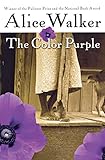
Alice Walker (born 1944) is one of the most important African American writers of the twentieth century — a novelist, poet, and activist whose work has been central to both the Black feminist literary tradition and the broader feminist movement. Her rescue of Zora Neale Hurston from obscurity, through her 1975 essay ‘In Search of Our Mothers’ Gardens,’ was one of the most significant acts of literary scholarship in modern American literary history. Her novel The Color Purple received the Pulitzer Prize and the National Book Award in 1983, making Walker the first Black woman to win both awards.
Where to Start: The Color Purple (1982)
The essential Walker — and one of the most important American novels of the 1980s. Celie, a poor Black woman in rural Georgia in the 1930s, writes letters to God because she has no one else to tell: she has been raped, had children taken from her, and married off to a brutal man she calls only Mr. _____. Through her friendship with Shug Avery — her husband’s mistress, a blues singer of extraordinary vitality — and her correspondence with her long-absent sister Nettie, Celie finds her voice and her self. The novel is simultaneously about the experience of Black women under multiple forms of oppression and about the discovery of a spirituality rooted in this world — ‘the color purple in a field somewhere’ — rather than in institutional religion.
Steven Spielberg’s 1985 film and the Broadway musical are both excellent; the novel itself is shorter, richer, and stranger than either.
Meridian (1976)
Walker’s most politically serious novel — her account of the Civil Rights Movement and the women who gave their lives to it. Meridian Hill drops out of college, gives up her child for adoption, and commits herself fully to the movement in the South. The novel is non-linear, moving between different moments in Meridian’s past and present, asking whether radical political commitment can be sustained over a lifetime and at what personal cost. Walker’s portrait of the movement’s internal contradictions — particularly its treatment of women — is her most direct political statement.
Possessing the Secret of Joy (1992)
Walker’s most directly political and most emotionally difficult novel — a sustained argument against female genital mutilation rendered through the devastated psychology of Tashi, who first appeared in The Color Purple. Tashi, now living in America with her husband Adam, undergoes a ritual cutting to express solidarity with her African community’s identity, and the novel traces the psychological consequences across the rest of her life. The novel is Walker’s most polemical — she includes direct information about FGM at intervals throughout the text — and her most explicitly connected to the political activism that has characterized her non-fiction.
Why The Color Purple Is the Ideal First Book
For a reader new to Alice Walker, The Color Purple is the ideal first book because it is her masterpiece, winner of the Pulitzer Prize, and the fullest expression of her distinctive gifts, the powerful voice, the unflinching honesty, and the profound engagement with the lives, struggles, and resilience of Black women. The Color Purple tells, through letters, the story of Celie, a poor Black woman in the early-twentieth-century American South, and her hard-won journey toward selfhood, love, and liberation. As an entry point it is ideal, for it is her most celebrated work and a stunning showcase of her gifts, the distinctive epistolary voice, the emotional power, and the searching exploration of oppression and survival. It welcomes the newcomer with its unforgettable narrator, its emotional force, and its triumphant arc, drawing the reader into a profound and moving novel. It is her defining work and the one that best represents her gifts, so the new reader encounters Walker at her finest. For the newcomer, then, The Color Purple is the natural and ideal starting point.
What to Expect as a New Reader
As a new reader, you can expect The Color Purple to be a powerful, moving, and unflinching novel of suffering and survival. You can expect a distinctive form and voice, for the novel is told through letters, chiefly those of Celie, whose vernacular voice is one of the most memorable in American fiction. You can expect difficult material, for the novel depicts abuse, racism, and oppression with unflinching honesty, especially in Celie’s early life. You can expect a triumphant arc, for the story follows Celie’s hard-won journey toward selfhood, love, sisterhood, and liberation. You can expect profound themes of race, gender, faith, and resilience, centered on the lives of Black women. You can expect deep emotional power and ultimate hope. You should be prepared for painful subject matter handled with seriousness and care. Expect, in short, a powerful, moving, and unflinching novel of suffering and survival, a profound introduction to Walker’s gifts.
Going Deeper After Your First Book
Once The Color Purple has introduced you to Walker’s gifts, the reader who wishes to go deeper can explore her other novels, as well as her poetry and essays, which continue her engagement with the lives of Black women, with race, gender, history, and the struggle for justice and wholeness. Her other fiction includes earlier novels of the civil-rights era and the Southern Black experience, and later works that broaden her concerns, while her influential essays, including her writing on what she called womanism, articulate the vision behind her fiction. Reading these after The Color Purple deepens your appreciation of Walker’s distinctive gifts, the powerful voice, the honesty, and the profound engagement with the lives of Black women. Her characteristic concerns run through her work. Building your reading journey through Walker is a matter of following her vision from The Color Purple into her other novels, poetry, and essays. The reader who begins here and continues will encounter one of the most important and influential American writers of her generation.
Reading Alice Walker
Walker’s central concern is the experience of Black women in America — the multiple forms of oppression they face and the forms of resistance, solidarity, and spiritual sustenance that make survival and flourishing possible. Her prose is warm and direct, her politics are explicit, and her fiction is never merely didactic: the characters who carry her arguments are fully human, complicated, and deeply felt. Begin with The Color Purple for the most complete and most celebrated demonstration of her gifts; read Meridian for the more explicitly political Walker; approach Possessing the Secret of Joy after you know Tashi from the earlier novel.
Frequently Asked Questions
Where should I start with Alice Walker?
The Color Purple (1982) is both the most widely read and the essential starting point — the Pulitzer Prize-winning epistolary novel about Celie, a poor Black woman in the American South in the 1930s, who endures abuse and finds her way to selfhood through her relationships with the singer Shug Avery and her sister Nettie. It is Walker's most fully realised fiction and her most emotionally powerful. Meridian is the best alternative for readers who want Walker's most politically serious novel; it deals with the Civil Rights Movement and the women who gave their lives to it.
What is The Color Purple about?
The Color Purple (1982) is an epistolary novel told through the letters of Celie, a poor Black woman in rural Georgia in the 1930s, who writes first to God (because she has no one else) and later to her sister Nettie. Celie has been raped by the man she calls her father, married off to the harsh Mr. _____, and separated from her sister; through her friendship with the blues singer Shug Avery and the community of women who gather around her, she finds her voice and her self. The novel is Walker's most complete statement of her central concerns: the experience of Black women in America, the spirituality grounded in this world rather than the next, and the transformative power of love and solidarity.
What is Meridian about?
Meridian (1976) is Walker's most politically serious novel — set during and after the Civil Rights Movement, following Meridian Hill, a Black woman who gives up her child and her conventional life to become a civil rights worker in the South. The novel is not chronological but moves between Meridian's past and present, and between her internal struggle and the external political world. Walker asks whether it is possible to sustain radical commitment over a lifetime, and whether the personal sacrifices the movement required of its women workers were honourable or merely the perpetuation of a different form of exploitation.
What is Possessing the Secret of Joy about?
Possessing the Secret of Joy (1992) follows Tashi, a character who appeared in The Color Purple, as she confronts the consequences of female genital mutilation she underwent as a ritual of her African community's identity. The novel is Walker's most directly political and her most emotionally wrenching — a sustained argument against female genital cutting, rendered through the psychological devastation it causes one woman. It can be read independently of The Color Purple but is deepened by prior knowledge of Tashi's earlier life.