Where to Start with Paul Kalanithi: A Reading Guide
Where to start with Paul Kalanithi — how to approach When Breath Becomes Air, his essential memoir about mortality and meaning. A complete reading guide.
By Elena Marsh
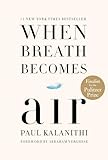
Paul Kalanithi (1977–2015) was an American neurosurgeon who trained at Stanford and was diagnosed with stage IV lung cancer in 2013, at thirty-six, shortly before completing his residency. He began writing what would become When Breath Becomes Air during the remaining time of his life and died in March 2015 before completing it. The memoir was published posthumously in 2016 to extraordinary critical reception — it debuted at number one on the New York Times bestseller list and has been translated into over forty languages.
Where to Start: When Breath Becomes Air (2016)
The essential Kalanithi — and one of the most beautiful books about mortality in any language. When Breath Becomes Air is structured in two parts: Kalanithi’s journey toward medicine, and his journey through dying. The structure is the argument: the same questions that drew him to neurosurgery — what is the relationship between the brain and identity? what makes a life meaningful? when is prolonging life worth its costs? — are the questions he must now answer about himself.
Kalanithi came to medicine from literature. He studied English and human biology as an undergraduate, began a master’s in English literature before pivoting to medical school, and spent his training at Stanford writing as well as operating. The prose of When Breath Becomes Air reflects this: it is precise and clear in the manner of a scientist, and attentive to language in the manner of a reader who knows what words are for. The sentence is never lazy.
The medical sections are among the most illuminating accounts of what surgeons actually do and think. Kalanithi worked on the spine and brain — the places where the physical interventions most directly affect the person rather than the body — and his reflection on the ethical and emotional weight of those interventions (the operation that preserves life but diminishes it; the decision about when to stop; the post-operative conversation with a family about who their family member now is) is written with the precision of someone who has had to make those judgements under pressure.
The diagnosis sections and what follows are documented with the same precision turned on himself. Kalanithi is not performing equanimity; he is actually, painfully, working it out: what to do with the time remaining, what the remaining time means, whether a shortened life can be a fully lived life. The answer he arrives at — that meaning comes from the engagement with others, from the work, from the continuation of what matters rather than from duration — is not a consolation but a conclusion.
The book ends before Kalanithi could finish it. His wife Lucy’s epilogue is among the finest pieces of writing about grief I have read.
Why When Breath Becomes Air Is the Essential First Book
For a reader new to Paul Kalanithi, When Breath Becomes Air is the essential first book because it is his singular work, a profound and moving memoir, and the only book its author would live to produce. When Breath Becomes Air is the memoir Kalanithi, a neurosurgeon, wrote after being diagnosed with terminal cancer, confronting his own mortality and searching for what makes life meaningful when its end is suddenly visible. As an entry point, it is the natural and essential place to begin, for it is Kalanithi’s singular and defining work, the moving memoir on which his reputation rests, finished after his death and become one of the most beloved memoirs of recent years. It welcomes the newcomer with its profound subject, its beautiful writing, and its emotional power, drawing the reader into a singular meditation on mortality and meaning. It is his singular work and the fullest expression of his story and his search, so that the new reader encounters Kalanithi directly. For the newcomer, then, When Breath Becomes Air is the natural and essential starting point, the profound and moving memoir of a dying physician.
What to Expect as a New Reader
As a new reader, you can expect When Breath Becomes Air to be a profound, moving, and beautifully written memoir, confronting mortality and the search for meaning. You can expect a profound subject, for the memoir was written by a neurosurgeon after his diagnosis with terminal cancer, and it confronts his own mortality with honesty, intelligence, and depth. You can expect the unique perspective of the doctor who becomes a patient, for Kalanithi had spent his career at the boundary of life and death, and now faces his own end, illuminating both the experience of dying and the meaning of a life in medicine. You can expect a search for meaning, for the memoir is animated by the question of what makes a life meaningful when its end is suddenly visible, pursued with literary and philosophical depth. You can expect beautiful writing and profound emotional power, including the moving epilogue completed by his wife after his death. Expect, in short, a profound, moving, and beautifully written memoir confronting mortality and the search for meaning, a deeply affecting introduction to Kalanithi.
Going Deeper After Your First Book
Once When Breath Becomes Air has introduced you to Kalanithi’s profound meditation, there is, within his work, no further book to turn to, for it is his singular work, the only book he would live to produce, and it stands complete and self-sufficient. The reader who has been moved by When Breath Becomes Air and wishes to go deeper into the subjects it confronts, mortality, the meaning of life, the experience of illness, and the search for what matters when life is ending, might turn to other works in the rich literature of mortality and meaning, reading in the light of the profundity that Kalanithi’s memoir offers. Such reading can complement and extend the meditation that When Breath Becomes Air begins. Within Kalanithi’s own work, however, When Breath Becomes Air is the whole, the single profound memoir that confronts mortality and the search for meaning. Building your reading journey from When Breath Becomes Air is a matter of carrying its profound questions into the wider literature of mortality and meaning. The reader who begins and ends with When Breath Becomes Air will have encountered one of the most profound and moving memoirs of recent years, complete in itself.
Reading Paul Kalanithi
When Breath Becomes Air is Kalanithi’s only book. It stands alone and requires no prior reading.
For the full Paul Kalanithi bibliography, reviews, and biography, visit the Paul Kalanithi author page on Editors Reads.
Affiliate disclosure: Links to Amazon on this page are affiliate links. We earn a small commission at no extra cost to you.
Frequently Asked Questions
Where should I start with Paul Kalanithi?
When Breath Becomes Air (2016) is Kalanithi's only book — his memoir written while dying from terminal lung cancer at thirty-six, asking the questions he had spent his career as a neurosurgeon helping patients face: what makes a life meaningful, what to do when you know it's ending, and what it means to be a doctor and then a patient. One of the most beautiful books ever written about mortality.
What is When Breath Becomes Air about?
When Breath Becomes Air traces Kalanithi's path from a literature student to a neurosurgery resident at Stanford — a career motivated by his desire to understand the relationship between the brain and the self, between matter and meaning — and his diagnosis with terminal lung cancer at thirty-six, shortly before he was to complete his training. The memoir alternates between his development as a surgeon and his confrontation with his own death, asking throughout what gives a life meaning and whether a life can be well-lived even when it is cut short.
Is When Breath Becomes Air finished?
When Breath Becomes Air was left incomplete at Kalanithi's death in March 2015. The book was edited from his manuscript by his editor at Random House; his wife Lucy Kalanithi wrote the epilogue. The memoir ends somewhat abruptly, and readers should be prepared for a book that does not resolve in the conventional sense — Kalanithi died before writing the final sections he had planned. This incompleteness is itself part of the book's emotional truth.
What should I read after When Breath Becomes Air?
After When Breath Becomes Air, Atul Gawande's Being Mortal covers end-of-life care and the medical system's approach to death with comparable moral seriousness and personal depth. The Year of Magical Thinking by Joan Didion is the great literary memoir of grief from the inside. Christopher Hitchens's Mortality — essays written while dying from esophageal cancer — addresses the same confrontation with death from a different philosophical perspective.


