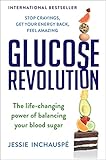
Editors Reads Verdict
Inchauspé's popularization of continuous glucose monitoring science is accessible, practically focused, and unusually well-evidenced for the wellness genre — her glucose hacks have real research support and are presented without the restrictive moralizing of most dietary advice.
What We Loved
- The ten glucose hacks are specific, practical, and evidence-supported
- The science is explained accessibly without being dumbed down
- Inchauspé's non-diet philosophy reduces the moralizing common in nutrition books
- The visual glucose curve data from CGM studies is compelling
Minor Drawbacks
- Some research is drawn from small studies that require replication
- The hack framework doesn't address the broader complexity of metabolic health
- Context on individual variation is underdeveloped
Key Takeaways
- → Blood sugar spikes and crashes drive energy fluctuations, cravings, and mood instability
- → Eating in the order vegetables-protein-fat-starch-sugar significantly flattens glucose curves
- → A savory breakfast produces better energy and focus than a sweet one
- → A short walk after meals dramatically improves glucose response
- → Adding vinegar before meals reduces glucose spikes for the subsequent meal
| Author | Jessie Inchauspé |
|---|---|
| Publisher | Simon Element |
| Pages | 320 |
| Published | March 31, 2022 |
| Language | English |
| Genre | Health, Science, Nutrition |
| Difficulty | Beginner |
| Best For | Health-conscious readers interested in the science of metabolism, people managing energy or mood issues, and anyone curious about continuous glucose monitoring and what it reveals. |
How Glucose Revolution Compares
Glucose Revolution at a glance against 3 similar books readers weigh alongside it.
| Book | Author | Rating | Best for |
|---|---|---|---|
| Glucose Revolution (this book) | Jessie Inchauspé | ★ 4.3 | Health-conscious readers interested in the science of metabolism, people |
| Good Energy | Casey Means | ★ 4.3 | Health-conscious readers interested in the science of chronic disease |
| The Body Keeps the Score | Bessel van der Kolk | ★ 4.7 | Therapists, counsellors, trauma survivors and those who love them, anyone |
| Ultra-Processed People | Chris van Tulleken | ★ 4.4 | Health-conscious readers, public health professionals, policy makers, and |
The Glucose Hypothesis
Jessie Inchauspé is a biochemist who began wearing a continuous glucose monitor after a serious accident while working at a genomics startup in Silicon Valley. What she observed about her own glucose patterns — how different foods, meal orders, and behaviors affected her blood sugar — became the foundation for the Glucose Goddess Instagram account and eventually for this book.
The central claim of Glucose Revolution is that blood sugar spikes and crashes are behind a surprising range of modern health issues: energy crashes, brain fog, mood instability, cravings, difficulty sleeping, and longer-term metabolic and hormonal problems. The solution is not giving up foods you love but learning how to eat them in ways that minimize the glucose rollercoaster.
The Ten Hacks
Inchauspé’s practical framework centers on ten evidence-supported strategies for flattening glucose curves. The most memorable and counterintuitive: eating in the order vegetables first, then protein and fat, then starches and sugars — rather than the conventional Western approach of mixing everything together. The logic is that fiber, protein, and fat slow glucose absorption from carbohydrates eaten afterward.
Other hacks include the post-meal walk (muscle contraction during and after eating pulls glucose from the bloodstream), the vinegar prediet (acidic foods slow gastric emptying and reduce glucose spike magnitude), and the savory breakfast (protein and fat in the morning rather than sugar and starch prevents the glucose crash that drives mid-morning cravings).
The Non-Diet Philosophy
What makes Glucose Revolution unusual in the wellness space is Inchauspé’s explicit rejection of restriction, moralization, and food guilt. She doesn’t ask readers to give up carbohydrates, sugar, or any specific food. She asks them to be strategic about timing, order, and pairing. This is a philosophically significant difference: it treats readers as adults capable of making informed choices rather than people who need to be protected from their own desires.
The Evidence Question
The primary caveat about the book is the evidence base. While glucose response research is a legitimate and growing field, many of Inchauspé’s specific hacks are based on small studies. The mechanisms she describes are plausible and often well-supported; the specific quantitative claims sometimes outrun the research.
Why Spikes Matter
The conceptual heart of Glucose Revolution is the argument that it is not blood sugar per se but the volatility of blood sugar — the sharp spikes and subsequent crashes — that drives a wide range of everyday and long-term health problems. Inchauspé explains the physiology accessibly: a large, rapid rise in glucose triggers an outpouring of insulin and a flood of free radicals, followed by a reactive dip that produces fatigue, hunger, irritability, and cravings, while the repeated cycle contributes over time to inflammation, insulin resistance, and metabolic dysfunction. Reframing the problem as one of curve-flattening rather than sugar-elimination is what gives the book its distinctive practicality. The reader is not asked to track calories or banish carbohydrates but to smooth the rollercoaster, and Inchauspé’s use of her own continuous-glucose-monitor data and vivid graphs makes the otherwise invisible dynamics of blood sugar feel concrete and manageable.
The Hacks in Practice
The book’s appeal rests on its ten specific, low-effort “hacks,” and their strength is that they ask for changes in sequence, timing, and pairing rather than sacrifice. The signature recommendation — eat foods in the order of vegetables and fiber first, then protein and fat, then starches and sugars — exploits the way fiber and fat slow the absorption of carbohydrates eaten afterward, flattening the resulting spike. Others are similarly painless: a savory rather than sweet breakfast to avoid an early crash, a tablespoon of vinegar before a carb-heavy meal, a ten-minute walk after eating to let working muscles draw glucose from the blood, and eating sweets as dessert rather than on an empty stomach. The genius of the framework is that none of it requires giving up beloved foods; it requires only being strategic about how and when they are eaten, which makes the advice unusually easy to adopt and sustain.
The Non-Diet Ethos
What sets Glucose Revolution apart from much of the wellness shelf is its explicit rejection of restriction, moralization, and food guilt. Inchauspé does not divide foods into virtuous and sinful, does not ask readers to count or deprive, and does not frame eating as a test of willpower; she treats her audience as adults capable of making informed adjustments. This non-diet ethos is philosophically significant in a genre that so often traffics in shame, and it is a large part of why the book resonated, particularly with readers exhausted by years of restrictive dieting. The promise — that you can keep eating the foods you love and simply soften their metabolic impact — is both the book’s marketing hook and a genuinely humane reframing of how to relate to food. It positions glucose management as a tool for feeling better rather than a regime for being good.
The Evidence Caveat
The necessary caution concerns the gap between the book’s confident specifics and the maturity of the underlying science. Glucose-response research is a legitimate and active field, and the general mechanisms Inchauspé describes — the effects of food order, fiber, vinegar, and post-meal movement on glucose curves — are largely plausible and often supported by small studies. But she sometimes extends preliminary findings into firmer quantitative claims than the evidence yet justifies, and much of the most striking data comes from limited trials or from continuous glucose monitoring in non-diabetic individuals, a practice whose health benefits for the general population remain unproven. Readers are best served treating the book as a set of low-risk, physiologically reasonable experiments to run on themselves rather than as settled medical fact. Within that frame, its practical, non-restrictive strategies are genuinely useful, and the worst-case outcome of following them is a diet richer in vegetables, fiber, and post-meal walks.
Our rating: 4.3/5 — A practical, science-grounded, and non-moralizing guide to blood sugar management that offers concrete strategies with genuine physiological logic and growing research support.
Frequently Asked Questions
What is "Glucose Revolution" about?
Biochemist Jessie Inchauspé explains the science of blood sugar spikes and provides ten practical hacks for flattening glucose curves without giving up the foods you love.
Who should read "Glucose Revolution"?
Health-conscious readers interested in the science of metabolism, people managing energy or mood issues, and anyone curious about continuous glucose monitoring and what it reveals.
What are the key takeaways from "Glucose Revolution"?
Blood sugar spikes and crashes drive energy fluctuations, cravings, and mood instability Eating in the order vegetables-protein-fat-starch-sugar significantly flattens glucose curves A savory breakfast produces better energy and focus than a sweet one A short walk after meals dramatically improves glucose response Adding vinegar before meals reduces glucose spikes for the subsequent meal
Is "Glucose Revolution" worth reading?
Inchauspé's popularization of continuous glucose monitoring science is accessible, practically focused, and unusually well-evidenced for the wellness genre — her glucose hacks have real research support and are presented without the restrictive moralizing of most dietary advice.
Ready to Read Glucose Revolution?
Check the current price on Amazon.
Check Price on Amazon (paid link)Prices and availability are subject to change. See Amazon for current price.
Review last updated: