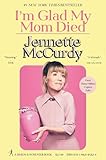
Editors Reads Verdict
One of the most remarkable memoirs of the decade — Jennette McCurdy writes about childhood abuse, eating disorders, and exploitation with a clarity and dark humor that transforms devastating material into something that reads as simultaneously harrowing and cathartic.
What We Loved
- McCurdy's writing voice is extraordinary — specific, funny, and utterly without self-pity
- The refusal to soften or excuse her mother's behavior is the book's defining courage
- The dark comedy that runs through even the most painful sections is perfectly calibrated
- The memoir does genuine cultural work in exposing child acting industry abuses
Minor Drawbacks
- The content is genuinely difficult — readers should be prepared for detailed eating disorder description
- Readers who loved iCarly may find the memoir's revelations disorienting
- The ending provides resolution but not complete redemption narratives
Key Takeaways
- → Emotional abuse is no less damaging for being invisible and deniable
- → Recovery requires the willingness to see clearly what you were taught to protect
- → The child acting industry has systemic exploitation problems that serve adult interests over children's
- → Grief can coexist with relief — and the relief does not erase the grief
- → Writing about pain is not the same as being defined by it
| Author | Jennette McCurdy |
|---|---|
| Publisher | Simon & Schuster |
| Pages | 320 |
| Published | August 9, 2022 |
| Language | English |
| Genre | Memoir, Biography, Celebrity Memoir |
| Difficulty | Beginner |
| Best For | Readers interested in celebrity memoir with genuine literary quality, and anyone who has experienced family enmeshment, eating disorders, or the specific abuses of the entertainment industry. |
How I'm Glad My Mom Died Compares
I'm Glad My Mom Died at a glance against 3 similar books readers weigh alongside it.
| Book | Author | Rating | Best for |
|---|---|---|---|
| I'm Glad My Mom Died (this book) | Jennette McCurdy | ★ 4.7 | Readers interested in celebrity memoir with genuine literary quality, and |
| Becoming | Michelle Obama | ★ 4.8 | Anyone interested in American political history, the Obama era, or memoir as a |
| Born a Crime | Trevor Noah | ★ 4.8 | Anyone interested in apartheid South Africa, memoir as a form, questions of |
| Educated | Tara Westover | ★ 4.7 | Anyone interested in memoir, education, or the psychology of escaping |
The Title That Says Everything and Nothing
The title of Jennette McCurdy’s memoir is the first indication of the kind of writing to expect: honest to the point of social transgression, specific where convention demands vagueness, and darkly funny in a way that makes the reader laugh while knowing they shouldn’t. McCurdy is glad her mother died. She is also devastated that her mother died. Both things are true, and the book holds them both without resolving the tension into something more comfortable.
McCurdy was a fixture of Nickelodeon programming for over a decade, most prominently as Sam Puckett on iCarly. Her memoir is not primarily a Hollywood tell-all — it is an account of growing up with a mother whose emotional needs were so enormous that they consumed her daughter entirely. Debra McCurdy pushed her daughter into acting at six years old to serve her own ambition, managed every aspect of her career and personal life, encouraged an eating disorder as a way to keep Jennette small and childlike and dependent, and demanded a form of total emotional intimacy that constituted abuse regardless of intention.
The Voice
McCurdy writes with a dark, specific humor that is the book’s most remarkable quality. She uses humor not to minimize what happened but to describe it with the precision that only becomes possible at some distance — and sometimes to make the absurdity of her mother’s behavior legible in ways that straight description cannot achieve.
The chapters about her mother are written with a love and a clarity that coexist without canceling each other. McCurdy loved her mother. Her mother harmed her. Both things are completely true, and the book’s refusal to resolve this into simple narrative of either victimhood or family-romance is what gives it its genuine literary weight.
The Industry Indictment
The sections of the memoir dealing with Nickelodeon — particularly the unnamed network executive McCurdy refers to only as “The Creator” — constitute a genuine indictment of a system that profited from children while systematically failing to protect them. These sections are careful and specific in their accusations without descending into score-settling.
Recovery and Writing
The final sections of the memoir describe McCurdy’s withdrawal from acting and her discovery of writing and directing as the creative forms that actually suit her. The memoir itself is the strongest evidence for how thoroughly that transition has worked.
A Publishing Phenomenon
I’m Glad My Mom Died arrived in August 2022 and became one of the defining publishing events of the year. It sold out almost immediately on release, topped the New York Times bestseller list for an extended run, and became a fixture of BookTok and the wider online conversation about child stardom, family abuse, and the limits of memoir. Part of its reach owed to the audacity of the title — a phrase that stops readers cold and refuses the polite euphemisms grief is usually expected to wear — but the staying power came from the writing itself. McCurdy had developed the material first as a one-woman stage show before expanding it into the book, and that origin shows in the precision of the structure and the control of tone: she knew exactly which moments to play for laughs, which to let land in silence, and how to pace the slow accumulation of detail that makes the abuse legible without ever lecturing the reader about it.
The book also did something rarer than commercial success: it shifted a cultural conversation. Released into a period of mounting scrutiny of the Nickelodeon and Disney child-star machine, it gave a specific, credible, first-person account of how the industry’s incentives can override a child’s wellbeing. McCurdy’s restraint — naming structures and patterns rather than settling scores — made the indictment more damning, not less, and the memoir has since become a frequent reference point in discussions of how young performers are protected, or fail to be.
Where It Sits in the Memoir Tradition
I’m Glad My Mom Died belongs to a strong recent lineage of memoirs about surviving a difficult family and learning to see it clearly. It invites comparison with Tara Westover’s Educated, another account of a child extricating herself from a parent’s controlling worldview, and with Trevor Noah’s Born a Crime in its use of comedy to metabolize genuine hardship. What distinguishes McCurdy’s contribution is the particular fusion of celebrity memoir and trauma memoir: she has the recognizable public face of a former child star, but the book refuses the gloss that usually accompanies that genre, turning the spotlight instead on the private machinery of enmeshment, eating disorders, and grief. The result reads less like a star’s memoir than like a literary debut that happens to be written by someone the reader may already know from television.
Who Should Read It and How to Approach It
This is a book worth recommending widely, but with a clear caveat: it deals in unsparing detail with disordered eating, emotional abuse, and complicated grief, and readers who are sensitive to that material should approach it with care. For everyone else — readers drawn to honest, well-crafted memoir, anyone who grew up navigating a parent’s outsized emotional needs, and those interested in the realities behind child stardom — it is among the most rewarding nonfiction books of its era. It is best read knowing that its central achievement is emotional honesty rather than tidy resolution: McCurdy does not offer a clean redemption arc or a reconciliation that never happened. What she offers instead is the harder, truer thing — the sight of someone learning to tell the truth about her own life, and discovering that the telling is itself a form of recovery.
Our rating: 4.7/5 — One of the most honest, most skillfully written, and most important memoirs of its decade — a book about family abuse, industry exploitation, and the specific courage required to see your childhood clearly.
Frequently Asked Questions
What is "I'm Glad My Mom Died" about?
Former child actress Jennette McCurdy's unflinching memoir about her mother's emotional abuse, the exploitation of the child acting industry, and her path to recovery from eating disorders and trauma.
Who should read "I'm Glad My Mom Died"?
Readers interested in celebrity memoir with genuine literary quality, and anyone who has experienced family enmeshment, eating disorders, or the specific abuses of the entertainment industry.
What are the key takeaways from "I'm Glad My Mom Died"?
Emotional abuse is no less damaging for being invisible and deniable Recovery requires the willingness to see clearly what you were taught to protect The child acting industry has systemic exploitation problems that serve adult interests over children's Grief can coexist with relief — and the relief does not erase the grief Writing about pain is not the same as being defined by it
Is "I'm Glad My Mom Died" worth reading?
One of the most remarkable memoirs of the decade — Jennette McCurdy writes about childhood abuse, eating disorders, and exploitation with a clarity and dark humor that transforms devastating material into something that reads as simultaneously harrowing and cathartic.
Ready to Read I'm Glad My Mom Died?
Check the current price on Amazon.
Check Price on Amazon (paid link)Prices and availability are subject to change. See Amazon for current price.
Review last updated: