Editors Reads Verdict
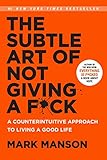
Manson's irreverent, profanity-laden antidote to toxic positivity is more philosophically serious than its brash cover suggests. A genuinely useful reframing of values and choice.
What We Loved
- The values framework is genuinely insightful and practical
- Refreshingly honest about the limits of positivity culture
- Highly readable and often funny
- The chapter on responsibility vs. fault is one of the best in recent self-help
Minor Drawbacks
- The provocative framing occasionally overshadows the depth of the ideas
- Some readers may find the profanity grating rather than liberating
- The final chapter on death is jarring in tone
Key Takeaways
- → The key to a good life is not giving a f*ck about more things but fewer, better things
- → You have a limited number of f*cks to give — spend them on what genuinely matters
- → Pain and struggle are not problems to be solved but the path through which meaning is found
- → You are always responsible for your responses, even if you are not at fault for your circumstances
- → Good values are process-oriented; bad values are goal-oriented
| Author | Mark Manson |
|---|---|
| Publisher | HarperOne |
| Pages | 224 |
| Published | September 13, 2016 |
| Language | English |
| Genre | Self-Help, Personal Development, Philosophy |
| Difficulty | Beginner |
| Best For | Anyone exhausted by relentless optimism culture who wants a blunter, more honest framework for choosing what to care about. |
How The Subtle Art of Not Giving a F*ck Compares
The Subtle Art of Not Giving a F*ck at a glance against 3 similar books readers weigh alongside it.
| Book | Author | Rating | Best for |
|---|---|---|---|
| The Subtle Art of Not Giving a F*ck (this book) | Mark Manson | ★ 4.4 | Anyone exhausted by relentless optimism culture who wants a blunter, more |
| 12 Rules for Life | Jordan B. Peterson | ★ 4.5 | Anyone seeking a philosophically grounded framework for living responsibly and |
| Lost Connections | Johann Hari | ★ 4.4 | Anyone experiencing or supporting someone with depression or anxiety, and |
| The Power of Now | Eckhart Tolle | ★ 4.6 | Anyone struggling with anxiety, overthinking, or searching for a practical |
The Anti-Self-Help Self-Help Book
When The Subtle Art of Not Giving a Fck* appeared in 2016, it felt like a deliberate provocation aimed at the relentless positivity industry. Mark Manson — a blogger who built a massive audience writing about psychology and personal development without any academic credentials — had written a book that told readers to stop trying to be happy and start trying to be honest.
It sold over 12 million copies. Clearly, the message resonated.
The book’s central argument is more philosophically serious than the title suggests: not caring about things is not the goal; caring about the right things is. You have a finite supply of attention and emotional energy. Spending it trying to feel positive, successful, or admired wastes it. Spending it on your own values, your relationships, and your genuine commitments uses it well.
The Values Framework
The most durable section of the book is Manson’s framework for good versus bad values. Good values are reality-based, internally controlled, and process-oriented (honesty, creativity, contributing to others). Bad values are socially constructed, externally dependent, and goal-oriented (popularity, fame, wealth as an end in itself).
This framework explains why achieving conventional goals — the promotion, the house, the relationship status — so often fails to produce lasting satisfaction. If you’ve built your sense of worth around external validation, you’ll always be one setback away from collapse.
Responsibility Versus Fault
One chapter stands out as particularly powerful: the distinction between fault and responsibility. Manson argues that many bad things happen to us that are not our fault — but we are always responsible for our response. Collapsing the distinction between fault and responsibility is a trap that keeps people in victimhood. Accepting responsibility without accepting blame is how people actually move forward.
This is essentially Stoic philosophy in contemporary language, and Manson renders it more accessibly than most translations of Marcus Aurelius.
What It Gets Right (and Wrong)
The profanity-driven irreverence works well in the first half and feels increasingly strained in the second. The final chapter — a meditation on death as the ultimate teacher of what matters — is genuinely moving but tonal whiplash from the preceding material.
Final Verdict
Strip away the edgy packaging and The Subtle Art is a thoughtful, philosophically grounded guide to values-based living. It earns its popularity because underneath the swearing, it’s saying something genuinely useful.
Our rating: 4.4/5 — More depth than the cover implies. The values framework is one of the most useful in contemporary self-help.
The Argument Beneath the Profanity
The crude title and breezy tone disguise a fairly traditional argument: that the route to a better life is not relentless positivity but choosing more carefully what to care about. Manson’s contention is that we all have a limited supply of attention and concern, and that misery comes from spending it on things that do not deserve it — other people’s opinions, problems we cannot control, the impossible standard of feeling good all the time. The book is, underneath the swearing, a popularised dose of Stoic and Buddhist common sense: accept that life involves problems, choose which ones are worth having, and take responsibility for your responses even to things that are not your fault.
Why It Connected
The book sold in the millions partly because it arrived as a corrective to a self-help culture drowning in forced optimism. Manson’s permission to feel bad, to fail, to not be exceptional, landed as a relief for readers exhausted by the pressure to be relentlessly happy and successful. His willingness to say that some negative experiences are not only inevitable but valuable cut against the grain, and the conversational, profane voice made old wisdom feel fresh and unpretentious.
How to Take It
It is best read as an accessible, entertaining gateway to ideas that older traditions express more deeply rather than as an original philosophy, and readers who find it useful will find richer versions of its core claims in the Stoics it borrows from. The style is divisive — what reads as refreshingly blunt to some reads as glib to others — and the advice is more sensible than revolutionary. But as a readable nudge toward caring less about the wrong things and more about the few that matter, it does a genuine and surprisingly durable job.
A Gateway Rather Than a Destination
The most useful way to place the book is as an entry point. Readers who find its core ideas helpful — that suffering is unavoidable, that responsibility is separate from fault, that choosing your values is choosing your problems — will find deeper and more rigorous versions in the Stoic and Buddhist traditions Manson draws on. That is not a criticism so much as a description of its function: it translates old, hard-won wisdom into a voice a modern reader exhausted by relentless positivity will actually hear. Taken on those terms — accessible, entertaining, and more sensible than its provocative title suggests — it has earned its enormous readership by getting people to reconsider what is actually worth caring about, which is no small thing for a book this easy to read.
Reading Guides
Frequently Asked Questions
What is "The Subtle Art of Not Giving a F*ck" about?
A counterintuitive approach to living a good life — stop trying to be positive all the time and instead focus on what truly matters.
Who should read "The Subtle Art of Not Giving a F*ck"?
Anyone exhausted by relentless optimism culture who wants a blunter, more honest framework for choosing what to care about.
What are the key takeaways from "The Subtle Art of Not Giving a F*ck"?
The key to a good life is not giving a f*ck about more things but fewer, better things You have a limited number of f*cks to give — spend them on what genuinely matters Pain and struggle are not problems to be solved but the path through which meaning is found You are always responsible for your responses, even if you are not at fault for your circumstances Good values are process-oriented; bad values are goal-oriented
Is "The Subtle Art of Not Giving a F*ck" worth reading?
Manson's irreverent, profanity-laden antidote to toxic positivity is more philosophically serious than its brash cover suggests. A genuinely useful reframing of values and choice.
Ready to Read The Subtle Art of Not Giving a F*ck?
Check the current price on Amazon.
Check Price on Amazon (paid link)Prices and availability are subject to change. See Amazon for current price.
Review last updated: