Colson Whitehead is an American novelist who has twice won the Pulitzer Prize, writing powerful, formally inventive fiction about race, history, and American identity.
Colson Whitehead is among the most decorated American novelists working today, having won the Pulitzer Prize twice — for The Underground Railroad in 2017 and The Nickel Boys in 2020 — along with National Book Awards for both. His career spans over two decades and multiple genres, from zombie novels to heist fiction, but it is his two most recent prizewinners that have established him as a major literary figure.
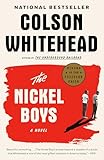
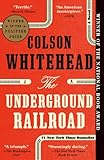
The Underground Railroad reimagines the historical network of antislavery escape routes as an actual railroad running beneath the American South. The conceit allows Whitehead to compress and defamiliarize the history of American slavery, showing the country’s geography transformed into a series of states with different, equally nightmarish relationships to Black freedom. The writing is spare and controlled, the horrors never sensationalized. The Nickel Boys is smaller in scope but perhaps even more devastating — based loosely on the Dozier School for Boys in Florida, it follows two boys at a brutal reform school in the Jim Crow South, and its final structural turn is widely regarded as one of the most quietly devastating moves in recent American fiction.
Whitehead writes with moral clarity and formal intelligence without ever reducing his characters to symbols or his narratives to argument. Some readers find his prose emotionally cooler than the subject matter demands; others consider that restraint a deliberate and powerful choice. Either way, both novels are essential reads.
Further Reading
Devoted readers should not overlook John Henry Days.
Reading Guides