Authors Like Khaled Hosseini: 6 Sweeping Literary Reads
If Khaled Hosseini's emotional, sweeping stories of family, homeland, and loss move you deeply, these six writers deliver the same heartbreak and beauty — each with a book to start.
Khaled Hosseini writes the kind of book that leaves the whole room quiet at the end. The Kite Runner and A Thousand Splendid Suns pair sweeping history — the upheavals of Afghanistan — with intimate stories of family, friendship, guilt, and love, and they are unafraid to devastate you. The power is emotional and the canvas is broad. So the writers who satisfy Hosseini fans share that combination: the deep feeling, the focus on family and homeland, and the way history shapes ordinary lives.
If you’ve read your way through Khaled Hosseini, here are six writers who deliver, each with a place to start.
Jhumpa Lahiri — the intimate story of belonging
Jhumpa Lahiri’s The Namesake follows a son of Indian immigrants caught between cultures, identity, and family expectation. Lahiri writes with quiet, precise emotional power about belonging and displacement — the intimate, character-focused side of what Hosseini does, rendered exquisitely.
Start with: The Namesake.
Arundhati Roy — the lyrical heartbreak
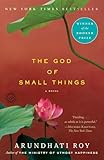
Arundhati Roy’s The God of Small Things tells the story of twins in Kerala whose family is shattered by love that crosses forbidden lines. Its lush, lyrical prose and devastating emotional arc share Hosseini’s willingness to let beauty and tragedy sit side by side.
Start with: The God of Small Things.
Chimamanda Ngozi Adichie — history through family
Chimamanda Ngozi Adichie’s Half of a Yellow Sun sets an intimate story of love and family against the Nigerian-Biafran war — exactly the Hosseini move of making vast historical upheaval personal and unbearable. Powerful, immersive, and deeply moving.
Start with: Half of a Yellow Sun.
Abraham Verghese — the sweeping family epic
Abraham Verghese’s Cutting for Stone spans continents and decades, following twin brothers from Ethiopia to America through love, betrayal, and medicine. It has Hosseini’s emotional sweep and his gift for binding family drama to the history that shapes it.
Start with: Cutting for Stone.
Min Jin Lee — the multi-generational saga
Min Jin Lee’s Pachinko follows a Korean family across four generations in Japan, capturing displacement, resilience, and quiet dignity against a century of history. For the epic, multi-decade emotional power of A Thousand Splendid Suns, it’s a perfect match.
Start with: Pachinko.
Rohinton Mistry — the devastating epic of ordinary lives
Rohinton Mistry’s A Fine Balance weaves together four lives during a turbulent period in India’s history, building to an emotional payoff every bit as shattering as Hosseini’s. It’s a big, immersive, heartbreaking novel about survival and human connection — essential for his readers.
Start with: A Fine Balance.
How to choose your next one
Match the writer to what you love most. The intimate story of belonging? Jhumpa Lahiri. The lyrical heartbreak? Arundhati Roy. History through family? Chimamanda Ngozi Adichie. The sweeping family epic? Abraham Verghese. The multi-generational saga? Min Jin Lee. The devastating epic of ordinary lives? Rohinton Mistry.
For more, browse our literary fiction collection, and start with whichever story of family and homeland calls to you most.
Frequently Asked Questions
Who writes books like Khaled Hosseini?
Jhumpa Lahiri and Chimamanda Ngozi Adichie are among the closest matches — both write emotionally rich literary fiction about family, identity, and the pull of homeland across cultures and generations. For Hosseini's epic, multi-decade sweep, Min Jin Lee's Pachinko is a perfect next read.
What should I read after The Kite Runner and A Thousand Splendid Suns?
Min Jin Lee's Pachinko and Rohinton Mistry's A Fine Balance deliver the same sweeping, multi-generational emotional power. For a similarly intimate story of family and displacement, Jhumpa Lahiri's The Namesake is the natural next read.
What makes a book similar to Khaled Hosseini?
Three things: deep emotional storytelling that isn't afraid to break your heart, a focus on family, homeland, and identity (often across cultures or generations), and historical or political upheaval shaping ordinary lives. The writers here each capture at least two.