Authors Like Erik Larson: 6 Narrative Nonfiction Writers
If Erik Larson's true stories that read like novels are your favourite kind of nonfiction, these six writers deliver the same gripping history — each with a book to start.
Erik Larson perfected a particular magic: taking real, exhaustively researched history and telling it with the suspense, character, and pacing of a great novel. The Devil in the White City braids a world’s fair and a serial killer; The Splendid and the Vile makes the Blitz feel immediate. You never feel lectured — you feel gripped. So the writers who satisfy Larson fans share that craft: the deep research, the novelistic structure, and the ability to make true events impossible to put down.
If you’ve read your way through Erik Larson, here are six writers who deliver, each with a place to start.
David Grann — the closest match
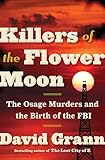
David Grann is the writer most often recommended alongside Larson, for good reason. Killers of the Flower Moon investigates the murders of Osage people in 1920s Oklahoma and the birth of the FBI, braiding true crime and history into a propulsive, devastating narrative. If you loved The Devil in the White City, start here.
Start with: Killers of the Flower Moon.
Jon Krakauer — the gripping firsthand account
Jon Krakauer’s Into Thin Air brings Larson’s narrative drive to a firsthand disaster — the 1996 Everest catastrophe that Krakauer survived. It’s tense, vivid, and impossible to put down, with the same gift for making real events feel like a thriller unfolding in real time.
Start with: Into Thin Air.
Patrick Radden Keefe — the masterful true story
Patrick Radden Keefe’s Say Nothing reconstructs a murder during the Troubles into a sweeping, novelistic account of conflict, memory, and consequence. Keefe matches Larson’s research and structure exactly, braiding multiple lives into a story that grips like fiction and lands like history.
Start with: Say Nothing.
David McCullough — the master of biography
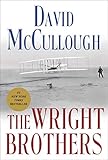
David McCullough brings Larson’s storytelling to American history and biography. The Wright Brothers turns the invention of flight into an intimate, inspiring narrative, full of the human detail and momentum that make Larson’s books sing. The pick for readers who want the history a little more classic and uplifting.
Start with: The Wright Brothers.
Sebastian Junger — the true-life thriller
Sebastian Junger’s The Perfect Storm reconstructs a fishing crew lost to a catastrophic storm with cinematic intensity and deep reporting. It shares Larson’s ability to make you feel the stakes of a real event minute by minute — narrative nonfiction at its most heart-pounding.
Start with: The Perfect Storm.
Michael Lewis — the story behind the system
Michael Lewis applies Larson’s storytelling to how the world actually works. Moneyball turns baseball analytics into a gripping tale of outsiders beating the establishment, with the same narrative momentum and eye for character. A great pick for the Larson reader who likes ideas with their stories.
Start with: Moneyball.
How to choose your next one
Match the writer to what you love most. The closest match? David Grann. The firsthand survival account? Jon Krakauer. The masterful true story? Patrick Radden Keefe. The classic biography? David McCullough. The true-life thriller? Sebastian Junger. The story behind the system? Michael Lewis.
For more, browse our history and biography collections, and start with whichever true story sounds most like your next page-turner.
Frequently Asked Questions
Who writes books like Erik Larson?
David Grann is the closest match — meticulously researched true stories told with a novelist's pacing and suspense. Jon Krakauer and Patrick Radden Keefe are the other essential reads for narrative nonfiction that grips like a thriller.
What should I read after The Devil in the White City?
David Grann's Killers of the Flower Moon is the natural next read — same blend of true crime, history, and propulsive storytelling. Jon Krakauer's Into Thin Air and Patrick Radden Keefe's Say Nothing deliver the same can't-look-away narrative drive.
What makes a book similar to Erik Larson?
Three things: deep archival research, a true story structured and paced like a novel, and a knack for braiding multiple narrative threads into suspense. The writers here each capture at least two.