Paul Kalanithi Books in Order: Complete Reading Guide
Paul Kalanithi published one book — When Breath Becomes Air. Reading guide for the essential memoir about medicine, mortality, and meaning.
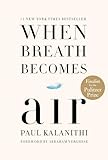
Paul Kalanithi was a neurosurgeon at Stanford who was diagnosed with stage IV lung cancer at 36 while completing his residency. He spent the remaining months of his life writing about the experience of having been a physician who was now a patient — and about what medicine, mortality, and meaning had to do with each other.
Paul Kalanithi’s Only Book
1. When Breath Becomes Air — 2016
The memoir of a neurosurgeon’s terminal diagnosis — written with the precision of a scientist and the depth of a man who had read widely in literature, philosophy, and medicine. One of the most important books about mortality published in this century. Essential reading for anyone in medicine, anyone facing illness, and anyone thinking seriously about how to live.
➡ Full review → | Buy on Amazon →
What to Read After When Breath Becomes Air
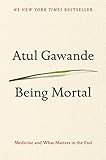
Being Mortal by Atul Gawande — The closest companion to Kalanithi’s book — a surgeon examines how American medicine fails at the end of life and what a better approach would look like.
The Year of Magical Thinking by Joan Didion — The most precise account of grief in recent literature — how it works, how it resists logic, how it persists.
Mortality by Christopher Hitchens — A journalist dying of cancer writes about the experience with characteristic fearlessness and precision.
A Gentleman in Moscow by Amor Towles — For readers who want to follow When Breath Becomes Air with something that affirms the value of a fully lived life.
A Single, Profound Testament
Paul Kalanithi’s When Breath Becomes Air is one of the most moving and widely read memoirs of recent years, a single profound testament written by a dying man, and the only book its author would live to produce. Kalanithi was a neurosurgeon, at the threshold of a brilliant career, when he was diagnosed with terminal cancer, and When Breath Becomes Air is the memoir he wrote in his final period of life, confronting his own mortality and searching for the meaning of a life cut short. The book is a single, profound testament, written under the shadow of death by a man of exceptional intelligence and sensibility, and it is the only book Kalanithi would produce, for he died before completing it, and it was finished and published with the help of his wife. That this single book, written by a dying man and left unfinished at his death, should have become one of the most moving and widely read memoirs of recent years is a testament to its extraordinary power, to the depth and honesty of its confrontation with mortality, and to the beauty and intelligence of its writing. For readers, When Breath Becomes Air is a single, profound, and deeply moving testament, the only book of a gifted man who wrote it in the face of his own death. A single, profound testament, When Breath Becomes Air is the only book Paul Kalanithi would live to produce, the moving memoir written by a dying neurosurgeon confronting his own mortality, finished after his death and become one of the most widely read and beloved memoirs of recent years.
The Doctor as Patient
The distinctive power of When Breath Becomes Air derives in large part from Kalanithi’s unique perspective as a doctor who became a patient, a physician trained to confront death in others who must now face his own. Kalanithi had spent his career as a neurosurgeon at the boundary between life and death, confronting mortality in his patients, making decisions of life and death, and accompanying others through the gravest illness, and his diagnosis transformed him from the doctor into the patient, from the one who confronts death in others to the one who must face his own. This unique perspective, the doctor who becomes a patient, gives the memoir a distinctive depth and authority, for Kalanithi brings to his confrontation with his own mortality the knowledge, experience, and perspective of a physician who has spent his career at the boundary of life and death. He understands his illness and his prognosis with a doctor’s knowledge, he has accompanied others through the experience he now faces, and he brings to his own dying the perspective of one who has professionally confronted death in others, now turned inward upon himself. This doubling of perspective, the doctor as patient, gives the memoir much of its distinctive power and insight, illuminating both the experience of facing one’s own death and the relationship between the physician’s professional confrontation with mortality and the patient’s personal one. For readers, the doctor as patient offers a distinctive and powerful perspective on mortality, the physician who must face the death he has confronted in others. The doctor as patient gives When Breath Becomes Air its distinctive power, for Kalanithi brings to his confrontation with his own mortality the knowledge and perspective of a neurosurgeon who spent his career at the boundary of life and death, now facing his own.
The Search for Meaning in a Life Cut Short
At its deepest, When Breath Becomes Air is a search for meaning in the face of death, an inquiry into what makes a life meaningful and worth living when its end is suddenly and visibly near. Kalanithi was a man of literary and philosophical sensibility as well as a scientist, and his memoir is animated by a profound inquiry into the meaning of life, the question of what makes a life worth living, pursued with new urgency under the shadow of his own approaching death. Facing the end of his life just as it seemed about to flower, Kalanithi confronts the great questions of meaning and value, asking what makes a life meaningful when its end is near, how one should live in the time that remains, and what gives life its worth and significance. This search for meaning in a life cut short is the deepest concern of the memoir, the inquiry into the meaning and value of life pursued with the urgency that the imminence of death imparts, and it gives the book its profound resonance and its lasting power. Kalanithi’s confrontation with these questions, conducted with intelligence, honesty, and a literary sensibility, produces not despair but a deepened sense of what matters, a clarified understanding of the meaning and value of life arrived at in the face of death. For readers, the memoir offers a profound search for meaning in the face of mortality, the inquiry into what makes a life worth living pursued by a dying man with intelligence, honesty, and depth. The search for meaning in a life cut short is the deepest concern of When Breath Becomes Air, Kalanithi’s profound inquiry into what makes a life meaningful and worth living, pursued with new urgency under the shadow of his own approaching death, and the source of the memoir’s lasting power and resonance.
What Kalanithi Was Asking
The central question of When Breath Becomes Air is not “how do I die well?” but “given that I will die soon, what makes a life worth living?” Kalanithi had spent his career asking patients to make decisions under the shadow of mortality; he found, when he became that patient, that the question was harder than he’d imagined and the answers less clear. What he offers is not resolution but serious engagement — which is all any honest thinking about mortality can provide.
Affiliate disclosure: Links to Amazon on this page are affiliate links. We earn a small commission at no extra cost to you.
Frequently Asked Questions
Did Paul Kalanithi write any other books?
No. When Breath Becomes Air (2016) is the only book Paul Kalanithi published. He died of lung cancer in March 2015 at age 37, while completing the manuscript. The book was finished with the help of his editor and published posthumously.
Who finished When Breath Becomes Air after Kalanithi died?
Kalanithi had completed the manuscript except for a final chapter when he died. His wife, Lucy Kalanithi, wrote the epilogue. The book was published in 2016 with Kalanithi's text essentially complete.
Is When Breath Becomes Air sad?
Yes, deeply. But it is also life-affirming in a way that distinguishes it from less serious illness memoirs. Kalanithi is asking serious questions about what makes a life meaningful, and the answers he finds are not comforting so much as clarifying.