Books Like When Breath Becomes Air: 9 Mortality Reads
If Paul Kalanithi's luminous memoir of facing death as a young doctor moved you, these books on mortality, illness, and meaning will stay with you.
By Elena Marsh
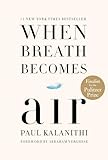
Paul Kalanithi’s When Breath Becomes Air is widely regarded as one of the most beloved memoirs of recent years, written by a neurosurgeon who was diagnosed with terminal lung cancer at the age of thirty-six, at the very peak of his career. Confronting his own death, Kalanithi turned to the question that had drawn him to both literature and medicine: what makes a life meaningful when it is ending? Written in luminous, unflinching prose and completed in the months before he died, the book is a meditation on mortality, vocation, and love that has moved millions of readers.
The books below share its central preoccupations — the confrontation with mortality, the search for meaning in the face of suffering, and the particular wisdom that comes from those who have looked death in the eye. Some are written by doctors, some by patients, some by those left behind, but all share Kalanithi’s honesty and grace.
Facing Death with Clarity
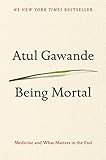
#1 — Being Mortal by Atul Gawande
The essential companion to Kalanithi’s memoir. Gawande, also a surgeon, examines how modern medicine has turned dying into a medical problem rather than a human experience, and argues powerfully for understanding what dying people actually want. Humane, clear-eyed, and deeply researched, it is the book to read next — a profound exploration of how to live well all the way to the end, and what medicine so often gets wrong about death.
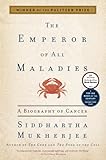
#2 — The Emperor of All Maladies by Siddhartha Mukherjee
Mukherjee’s Pulitzer-winning “biography of cancer” combines history, science, and the stories of patients and physicians into a sweeping, deeply human account of the disease that shadows Kalanithi’s memoir. Written by an oncologist with a gift for narrative, it offers the larger context for one man’s illness — the long human struggle against the disease — without ever losing sight of the individual lives at stake.
#3 — Tuesdays with Morrie by Mitch Albom
A gentler, conversational meditation on the same questions, Albom’s beloved memoir recounts his weekly visits to his dying former professor, whose reflections on love, work, and mortality become a final set of lessons on how to live. For readers who found comfort and wisdom in Kalanithi’s reckoning with death, Morrie’s warmth and clarity offer a tender companion.
Grief, Loss, and Those Left Behind
#4 — The Year of Magical Thinking by Joan Didion
Where Kalanithi writes from the perspective of the dying, Didion writes from that of the bereaved. Her unflinching account of the year following her husband’s sudden death is the great modern book about grief — precise, clinical, and devastating. Together, the two memoirs form a complete picture of mortality, seen from both sides of the divide between the dying and those who survive them.
#5 — The Immortal Life of Henrietta Lacks by Rebecca Skloot
Skloot’s modern classic recovers the human being behind one of medicine’s most important tools — the cells taken without consent from a poor Black woman who died of cancer in 1951. Like Kalanithi, it sits at the intersection of medicine, mortality, and humanity, insisting on the person behind the patient, and it raises profound questions about ethics, science, and whose lives are remembered.
Meaning in the Face of Suffering
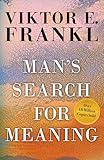
#6 — Man’s Search for Meaning by Viktor Frankl
Frankl’s account of surviving the concentration camps and his philosophy of finding meaning in suffering is the philosophical foundation beneath Kalanithi’s memoir. Both books insist that meaning can be found even in the worst circumstances, and that how we face suffering defines us. It remains one of the most important books ever written about enduring the unendurable with purpose and dignity.
#7 — Educated by Tara Westover
If it was the memoir form — the shaping of a hard life into meaning and beauty — that drew you, Westover’s account of growing up in a survivalist family and educating herself out of it is one of the most acclaimed memoirs of recent years. Like Kalanithi, she writes with hard-won clarity about identity, transformation, and the making of a self.
#8 — The Glass Castle by Jeannette Walls
Walls’s unforgettable memoir of a chaotic, impoverished childhood shares Kalanithi’s honesty and his refusal of self-pity, transforming difficult experience into something luminous and redemptive. For readers drawn to the memoir’s power to find meaning and even beauty in hardship, it is a moving and beautifully written companion.
#9 — Born a Crime by Trevor Noah
Noah’s memoir of growing up under and after apartheid in South Africa is funny, harrowing, and deeply humane — a testament, like Kalanithi’s, to resilience and the search for meaning against long odds. Its warmth and its honesty about a life shaped by forces beyond one’s control make it a rewarding read for those who valued When Breath Becomes Air’s humanity.
Two More to Add
For readers who want to keep exploring mortality and meaning through fiction, Matt Haig’s The Midnight Library imagines a woman given the chance to glimpse the other lives she might have lived, turning the question at the heart of Kalanithi’s memoir — what makes a life worth living? — into a moving, accessible novel. And Ta-Nehisi Coates’s Between the World and Me, written as a letter to his son about mortality, race, and the fragility of the body, brings the same unflinching honesty about life’s precariousness to a very different American experience.
Affiliate disclosure: Links to Amazon on this page are affiliate links. We earn a small commission at no extra cost to you.
Frequently Asked Questions
What should I read after When Breath Becomes Air?
Atul Gawande's Being Mortal is the essential next book — a surgeon's clear-eyed, humane examination of how medicine handles aging and dying, and what a good death can look like. After that, Joan Didion's The Year of Magical Thinking offers the companion perspective of grief and loss, and Viktor Frankl's Man's Search for Meaning provides the philosophical foundation for finding purpose in suffering.
Is When Breath Becomes Air a sad book?
It is deeply moving and often sad, but readers consistently describe it as ultimately uplifting rather than depressing. Kalanithi, a neurosurgeon diagnosed with terminal lung cancer at 36, writes with such clarity, grace, and love of life that the book becomes a meditation on what makes life meaningful rather than simply an account of dying. Its final pages, including an afterword by his wife, are heartbreaking but affirming.
What other books deal with facing death with dignity?
Being Mortal by Atul Gawande is the definitive book on dying well in the modern age. Tuesdays with Morrie by Mitch Albom offers a gentler, conversational meditation on the same questions, while Oliver Sacks and Christopher Hitchens both wrote movingly about their own terminal illnesses. For the philosophical dimension, Man's Search for Meaning remains the essential text on finding meaning in mortality.