Best Books About Aging and Mortality: Fiction and Memoir
The best books about aging and mortality — from Being Mortal and When Breath Becomes Air to A Man Called Ove and The Year of Magical Thinking. Fiction and memoir.
By Priya Anand
Books about aging and mortality grapple with the things most of us spend most of our lives avoiding: the fact that life ends, that the people we love will die, and that the way we live in the time remaining matters. The books below range from medical non-fiction (Gawande) to memoir (Kalanithi, Didion) to literary fiction (Franzen, Backman) — different approaches to the same central questions.
Essential Non-Fiction
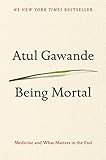
Being Mortal — Atul Gawande (2014)
The most important book about aging and death for general readers — Gawande examines how hospitals and nursing homes systematically prioritise the extension of life over its quality, and argues for a different approach: asking dying patients what matters to them, and organising the remaining time around those priorities rather than around medical intervention for its own sake. Gawande draws on his patients’ stories and on research into what elderly people actually want; the result is both a critique of the medical system and a practical guide to thinking about one’s own aging and death. The most widely read and most practically useful book on this list.
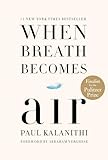
When Breath Becomes Air — Paul Kalanithi (2016)
Kalanithi’s memoir of his terminal cancer diagnosis — written by a neurosurgeon who has spent a decade helping patients face death and who must now face it himself. The book is about what makes life meaningful when it is ending, about the decision to have a child after a terminal diagnosis, and about what medicine can and cannot do for its own practitioners. Finished by his wife after his death; one of the most widely read memoirs of the past decade.
The Year of Magical Thinking — Joan Didion (2005)
The most precise account of grief in contemporary non-fiction — Didion’s year after her husband’s sudden death, including her daughter’s simultaneous serious illness. Didion’s method (the same method she used in journalism: look directly at what is there, do not flinch, do not console) produces a memoir that is rigorous about grief’s irrationality rather than explaining it away. National Book Award winner.
Fiction
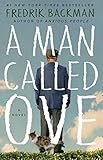
A Man Called Ove — Fredrik Backman (2012)
The most popular novel about late life and the will to live — Ove, a recently widowed Swedish retiree who has decided to kill himself (his wife is dead; his job is gone; his purpose has evaporated), is gradually derailed from his plan by a neighbourhood full of people who need him in spite of himself. Backman’s novel is funny and then deeply moving; it is the most accessible on this list and the best starting point for readers who find the other titles too heavy.
The Corrections — Jonathan Franzen (2001)
Franzen’s novel about the Lambert family — elderly Alfred, whose Parkinson’s disease is advancing, and his wife Enid’s final attempt to get the family together for one last Christmas before things fall apart further. The novel is partly about aging and decline and partly about the impossibility of the family ideal, but Alfred’s progressive loss of control over his body and mind is the most devastating account of a man facing the end of his capacities in contemporary literary fiction.
Nora Webster — Colm Tóibín (2014)
Tóibín’s quiet novel about a widow in 1960s Ireland — Nora Webster, whose husband has recently died, navigating her grief while raising her children, managing her reduced circumstances, and gradually discovering what remains of her own identity when the roles of wife and mother are stripped away. The most understated and the most precisely observed of the fiction in this list.
Aging as Its Own Subject
While death is the destination, aging is a long and distinct journey, and the books on this list illuminate the experience of growing old as a subject worthy of attention in its own right — not merely as a prelude to dying but as a profound and extended chapter of human life with its own challenges, losses, and possibilities. This distinction matters, because the realities of aging are often neglected, hidden away in a culture preoccupied with youth and uncomfortable with decline. Gawande’s Being Mortal is invaluable precisely because it takes the experience of the elderly seriously, examining how the slow erosion of independence, capacity, and control unfolds, and how the institutions meant to care for the aged so often fail to honor what makes their remaining life meaningful. Franzen’s portrait of Alfred Lambert renders the indignity and terror of physical and cognitive decline with unflinching specificity — the loss of mastery over one’s own body and mind that is among aging’s cruelest features. These works insist that aging is not simply the antechamber to death but a substantial human experience demanding understanding and compassion: the negotiation of dependence and dignity, the adjustment to a body and mind that no longer obey, the search for purpose and identity as the roles and capacities that defined one’s earlier life fall away. By treating aging as its own subject rather than a mere shadow of death, these books prepare readers for a passage that, with luck, all of them will make, and cultivate the empathy needed to support the aging people already in their lives.
Reinvention at the End of Roles
A theme that emerges with particular power from the fiction on this list, distinguishing it from books focused purely on dying, is the possibility of reinvention and renewed purpose in the later passages of life — the discovery that even amid loss, decline, and bereavement, a new self and a reason to continue can be found. This is the quiet, hopeful counterweight to aging’s undeniable hardships. Tóibín’s Nora Webster is the exquisite study of this possibility: a widow, her identity long defined by the roles of wife and mother, must discover, in the wake of her husband’s death and amid reduced circumstances, what remains of her own self when those roles are stripped away, and the novel traces her halting, understated movement toward a reclaimed identity and a life of her own. Backman’s A Man Called Ove makes the same discovery in a warmer, more comic key: a grief-stricken widower who has decided his life is over, his purpose evaporated with his wife’s death, is gradually pulled back toward life and meaning by a community that needs him despite himself. These narratives offer something genuinely consoling and important — the recognition that aging and loss, real and painful as they are, need not be simply a story of subtraction, and that late life can hold genuine renewal, new connections, recovered identity, and unexpected purpose. Against the cultural assumption that meaning and possibility belong to the young, these books insist that the work of becoming oneself, of finding reasons to live and ways to matter, continues to the very end, and that the later chapters of a life can contain not only decline but real growth.
Confronting Mortality to Live More Fully
Underlying all the books on this list, fiction and nonfiction alike, is a conviction that has animated wisdom traditions for millennia: that honestly confronting aging and mortality, rather than denying or avoiding them, is essential to living a full and conscious life. The modern world is in many ways organized around the avoidance of this confrontation — the aged are segregated, death is medicalized and hidden, and the relentless emphasis on youth and productivity allows most people to proceed as though their time were unlimited. These books push back against that denial, and in doing so they offer not morbidity but clarity. Kalanithi’s confrontation with his own mortality produces not despair but a sharpened sense of what truly matters; Didion’s reckoning with sudden loss strips away illusion and reveals the real architecture of love and life; Gawande’s examination of how we age and die equips readers to make better choices for themselves and those they love. The cumulative effect is to transform aging and mortality from subjects of dread into sources of wisdom and motivation. Those who genuinely absorb the reality of their finitude tend to live differently — more attentively, more gratefully, with priorities clarified and the trivial set aside. This is the ultimate gift of the genre: that by inviting readers to look directly at the things they most wish to avoid, it returns them to their lives with a deeper appreciation of what those lives contain and a keener sense of how to spend the irreplaceable time that remains. To read these books is not to dwell on endings but to learn, from the perspective those endings provide, how to inhabit the present more fully and to age, when the time comes, with greater understanding and grace.
Reading Order
Start here: Being Mortal → When Breath Becomes Air → A Man Called Ove.
Grief: The Year of Magical Thinking → Nora Webster → The Corrections.
Complete: Being Mortal → When Breath Becomes Air → The Year of Magical Thinking → A Man Called Ove → Nora Webster.
Frequently Asked Questions
What is the best book about death and dying?
Being Mortal (2014) by Atul Gawande is the most important book about aging and death for general readers — a surgeon's examination of how medicine deals with the end of life, why the current approach (extending life at any cost) often fails patients and families, and what a better approach might look like. When Breath Becomes Air (2016) by Paul Kalanithi is the most moving — a neurosurgeon's memoir written as he was dying of lung cancer. The Year of Magical Thinking (2005) by Joan Didion is the most precise account of grief in contemporary literature.
What is Being Mortal about?
Being Mortal (2014) by Atul Gawande, a surgeon at Brigham and Women's Hospital, examines how medicine approaches aging and death — specifically the way that hospitals and nursing homes prioritise safety and the extension of life over the quality of the time remaining. Gawande argues that the medical system is systematically bad at helping people die well, and that the question 'What does a good life look like, given that it is ending?' is rarely asked. The book draws on his patients' stories, research into what actually matters to dying people, and the history of how aging came to be medicalised.
What is When Breath Becomes Air about?
When Breath Becomes Air (2016) by Paul Kalanithi is the memoir Kalanithi wrote after being diagnosed with stage IV lung cancer at age thirty-six, just as he was completing his neurosurgery residency. The book is about medicine, mortality, and meaning — what it means to have spent a decade learning to extend other people's lives and then to face the end of your own. Kalanithi's prose is precise and literary (he was a literature student before becoming a doctor); the book was finished by his wife and published after his death. One of the most widely read memoirs of the past decade.
What is The Year of Magical Thinking about?
The Year of Magical Thinking (2005) by Joan Didion is Didion's account of the year following the sudden death of her husband, the writer John Gregory Dunne, of a heart attack at dinner. Didion's 'magical thinking' is the irrational belief, impossible to suppress, that her husband might return — that she should not give away his shoes because he will need them when he comes back. The book is the most precise and least sentimental account of grief in contemporary non-fiction, and won the National Book Award.