The Name of the Wind vs The Way of Kings: Which First?
Two of the most beloved modern fantasy openers — one lyrical and intimate, one vast and meticulously built. How they compare, and the unfinished-series problem that changes the answer.
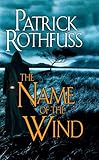
The Name of the Wind and The Way of Kings are the two modern fantasy openers most often pressed on newcomers, and they represent two different ideals of what the genre can be. One is intimate and lyrical; the other is vast and engineered. Choosing between them is partly about taste — but there is also a practical factor that, for many readers, settles it.
The Name of the Wind: beauty and intimacy
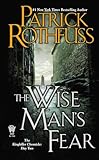
Patrick Rothfuss’s debut is, sentence for sentence, one of the most beautifully written fantasy novels of its generation. It is the story of Kvothe — a gifted, arrogant, tragic figure — recounting his own rise from a destitute child to a legend, framed as a tale told over three days. The pleasures are those of voice, prose, and character: the magic of a single remarkable life told gorgeously, with a university, a mysterious music, and a slow-burning sense of myth.
It is more contained than a typical epic. There are no sprawling armies or dozens of viewpoints — just Kvothe, his world, and the spell of how he tells it.
The Way of Kings: scale and machinery
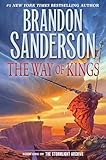
Brandon Sanderson’s opener is the opposite kind of achievement. It is enormous, intricately constructed, and built on a magic system with the rigour of an engineering diagram. It follows multiple characters across the storm-scoured world of Roshar, weaving their arcs toward the accelerating, avalanche-like climaxes Sanderson is known for. It is the first of a planned ten-book saga and part of his larger interconnected Cosmere.
Where Rothfuss enchants, Sanderson builds. The reward is immersion in a world that feels load-bearing in every detail, and the confidence that the architecture is going somewhere.
The factor that changes everything
Here is the practical reality that no honest comparison can skip: The Kingkiller Chronicle is unfinished, and may stay that way. Two books are out; the third has been delayed for well over a decade. The Way of Kings, by contrast, is the work of an author who publishes reliably and is steadily delivering a planned series.
For some readers this is irrelevant — a beautiful book is a beautiful book. For others, beginning a series with no ending in sight is a dealbreaker. Be honest with yourself about which kind of reader you are before you start.
Which should you read first?
Read The Name of the Wind first if you prize gorgeous prose and an intimate, character-driven story above all, and an unfinished series will not bother you.
Read The Way of Kings first if you want epic scope, a rigorous magic system, and the security of an author who finishes what he starts. In the current landscape, this is the more recommended starting point for exactly that reason.
The reading commitment, compared
There is also a difference in what each asks of your time. The Name of the Wind is a long but self-contained-feeling pleasure — you can read the two existing books and sit with them, frustrating as the wait for a conclusion may be. The Way of Kings is the doorway to something genuinely enormous: a planned ten-book saga whose individual volumes are themselves vast, connected to a wider universe of Sanderson’s other series. Starting it is less like picking up a novel and more like adopting a hobby.
Neither is wrong; they are simply different bets. Rothfuss offers the most beautiful prose in modern fantasy with no guarantee of an ending. Sanderson offers a slightly more workmanlike sentence in service of a cathedral he is reliably building, book by book.
Read next
If you loved Rothfuss’s intimacy and lyricism, The Lies of Locke Lamora is a witty, propulsive next step. If Sanderson’s scope is your thing, The Final Empire (Mistborn) is the best entry to the rest of his Cosmere, and A Game of Thrones scratches the grand-epic itch. For more, see our guide to books like The Way of Kings.
Affiliate disclosure: Links on this page are affiliate links. We earn a small commission at no extra cost to you.
Frequently Asked Questions
Should I read The Name of the Wind or The Way of Kings first?
If you only care about the writing in front of you, read The Name of the Wind first — its prose is more beautiful and its story more immediately intimate. But there is a major caveat: Patrick Rothfuss has not published the third and final book of his trilogy in well over a decade, and it may never appear. If an unfinished series will frustrate you, start with The Way of Kings instead — Brandon Sanderson publishes reliably and the series is progressing steadily toward its planned conclusion.
Is The Name of the Wind series finished?
No, and this is the single biggest factor in choosing. The Kingkiller Chronicle was planned as a trilogy; two books are out (2007 and 2011), but the third, Doors of Stone, has been delayed for many years with no confirmed release. Many readers now recommend approaching the series cautiously, or waiting, precisely because there is no guarantee it will ever be completed.
Which has the better magic system?
The Way of Kings, if 'better' means more rigorous and original. Sanderson is famous for 'hard magic' — systems with clear, consistent rules that the plot is solved within. The Name of the Wind's magic (sympathy, naming) is evocative and partly mysterious, prioritising wonder over mechanics. Readers who love a magic system they can learn and predict prefer Sanderson; readers who like magic to stay a little mysterious prefer Rothfuss.
Which is more epic in scope, The Name of the Wind or The Way of Kings?
The Way of Kings, by a wide margin. It is a sprawling, multi-viewpoint epic set on a richly imagined world, the first volume of a planned ten-book saga, and part of Sanderson's larger interconnected Cosmere universe. The Name of the Wind is more contained — a single gifted man recounting his own life — and trades epic scale for depth of character and beauty of language.