Where to Start with Jason Fung: A Reading Guide
Where to start with Jason Fung — how to approach The Obesity Code, his challenge to the caloric model of obesity and his case for insulin resistance and intermittent fasting as the real mechanisms. A complete reading guide.
By Priya Anand

Jason Fung is a Canadian nephrologist and co-founder of the Intensive Dietary Management program, a clinical practice that treats obesity and type 2 diabetes through dietary intervention. His clinical work — using fasting and low-carbohydrate eating to reverse type 2 diabetes in patients told the condition was irreversible — led him to examine the research underlying the mainstream medical model of obesity and find it wanting. The Obesity Code (2016) was published by Greystone Books and became a bestseller in the health and nutrition space, reaching a large audience through the authority of its clinical grounding and the directness of its challenge to conventional dietary wisdom.
Where to Start: The Obesity Code (2016)
The essential Jason Fung — and the clearest available statement of the hormonal theory of obesity. The Obesity Code opens with a diagnosis of failure: despite decades of public health messaging built on the caloric model — eat less, exercise more, maintain a caloric deficit — rates of obesity and type 2 diabetes have risen continuously. Fung’s argument is that this failure is not accidental; it is the predictable result of a model that is fundamentally incomplete.
The caloric model — the idea that weight gain is caused by consuming more calories than are expended, and weight loss by consuming fewer — is not wrong, exactly. It is true at the level of thermodynamics. But it fails as a practical prescription because it treats the body as a passive caloric calculator rather than an active hormonal system. When you reduce caloric intake, the body responds by reducing metabolic rate, increasing hunger, and reducing activity — compensatory mechanisms that restore the original weight over time. This is why the large majority of people who lose weight through caloric restriction regain it within three to five years.
Insulin is Fung’s explanatory centre. Insulin is the hormone that signals cells to take up glucose from the blood after eating — and, critically, that signals fat cells to store fatty acids rather than release them. When insulin levels are high, fat burning is suppressed at the hormonal level regardless of caloric intake. The question for Fung is not how many calories are consumed but how much insulin is produced — and for how long.
Different foods produce dramatically different insulin responses at equivalent calorie counts. Refined carbohydrates and sugar produce the largest and most rapid insulin spikes. Protein produces a moderate response. Dietary fat produces almost none. This means that two diets with identical calorie counts — one high in refined carbohydrates, one in fat — produce radically different hormonal environments and radically different outcomes for fat storage.
Insulin resistance — the condition in which cells require progressively higher insulin levels to accomplish the same glucose uptake — develops through chronic high-insulin exposure. Fung argues this is the foundational mechanism of type 2 diabetes and, more broadly, of the most intractable forms of obesity. The metabolic damage accumulates over years, driven by the dietary patterns of Western food culture: frequent eating, processed carbohydrates, and sugar.
Intermittent fasting is Fung’s primary intervention. The mechanism: periods of complete food abstinence allow insulin levels to fall to the low baseline that signals fat cells to release fatty acids for energy. Continuous eating, even at a caloric deficit, maintains insulin at levels that prevent this. The fasting window does not need to be long — Fung documents various protocols from 16-hour daily fasts to extended multi-day fasts — but it must be sufficient to allow the hormonal conditions for fat burning to establish.
The book’s clinical evidence is among its strongest elements. Fung describes reversing type 2 diabetes in patients whose physicians had told them the condition was irreversible and permanent — a claim that went against medical orthodoxy when the book was published and that subsequent research has substantially supported.
Reading The Obesity Code with critical engagement is appropriate. Fung’s model is important but likely not the complete explanation; the tone toward conventional medicine can be more polemical than scientific; and some prescriptions extend beyond what the evidence strictly supports. These are caveats to apply, not reasons to dismiss.
Why The Obesity Code Is the Ideal First Book
For a reader new to Jason Fung, The Obesity Code is the ideal first book because it is his breakout work and the fullest expression of his distinctive argument about the causes of obesity and the role of insulin and fasting. The Obesity Code presents Fung’s case that obesity is driven largely by hormones, especially insulin, rather than simply by calories, and argues for approaches including dietary change and intermittent fasting. As an entry point it is ideal, for it is his best-known book and the clearest statement of his approach. It welcomes the newcomer with its central argument, its accessible explanations, and its practical implications, drawing the reader into his perspective on weight and metabolism. Readers are wise to engage critically, recognizing that the book argues a strong point of view, that the science of weight and metabolism is complex and debated, and that it is not a substitute for medical advice, especially for those with health conditions. It is his defining work, so the new reader encounters Fung’s argument directly. For the newcomer, then, The Obesity Code is a natural starting point, best approached thoughtfully.
What to Expect as a New Reader
As a new reader, you can expect The Obesity Code to be an argument-driven, accessible, and provocative book about obesity and metabolism. You can expect a central argument, that obesity is driven largely by hormones, especially insulin, rather than simply by calories in versus calories out. You can expect accessible explanations, for Fung makes his case about insulin, metabolism, and weight understandable. You can expect a focus on fasting, for Fung argues for approaches including dietary change and intermittent fasting. You can expect a strong, advocacy-driven point of view. You can expect practical implications for diet and weight. You should engage critically, recognizing that the book argues a strong and debated position, that the science is complex, and that it is not a substitute for professional medical advice, especially for those with diabetes or other conditions. Expect, in short, an argument-driven, accessible, and provocative book about obesity and metabolism, best approached thoughtfully and critically.
Going Deeper After Your First Book
Once The Obesity Code has introduced you to Fung’s argument, the reader who wishes to go deeper can explore his other books and the wider literature on diet, metabolism, and weight, reading throughout with appropriate critical awareness. His other works extend his thinking on fasting and on related health topics, continuing his argument-driven approach, while the broad and debated field of writing on weight, metabolism, and nutrition offers many perspectives, some supporting and some challenging his claims, that the thoughtful reader weighs together. Reading more widely, and critically, deepens your engagement with the complex questions his book raises, and the reader is well served by consulting other experts and a doctor for personal decisions, especially regarding fasting and health conditions. Fung’s strongly argued case is one voice in a contested field. Building your reading journey from The Obesity Code is a matter of following its themes into his other work and the wider literature, held critically. The reader who begins here will have encountered a prominent and provocative, if contested, argument about obesity and metabolism.
Reading Jason Fung
The Obesity Code is Fung’s essential and most widely read book. It stands alone and requires no prior medical knowledge, though background in nutrition science deepens the reading.
For the full Jason Fung bibliography, reviews, and biography, visit the Jason Fung author page on Editors Reads.
Affiliate disclosure: Links to Amazon on this page are affiliate links. We earn a small commission at no extra cost to you.
Frequently Asked Questions
Where should I start with Jason Fung?
The Obesity Code: Unlocking the Secrets of Weight Loss (2016) is Fung's essential book — a comprehensive challenge to the caloric model of obesity from a Canadian nephrologist who treats obesity and type 2 diabetes clinically. Fung argues that obesity is primarily a hormonal disorder driven by chronic insulin elevation rather than a simple caloric imbalance, and that intermittent fasting addresses this root cause in ways that caloric restriction alone cannot.
What is The Obesity Code about?
The Obesity Code argues that the mainstream medical model of obesity — eat less, move more, calories in minus calories out — is both scientifically incomplete and clinically inadequate, explaining why most people who lose weight through caloric restriction regain it within three to five years. Fung presents evidence that chronic insulin elevation, driven by refined carbohydrates, frequent eating, and sugar, instructs fat cells to store rather than release energy. The solution is lowering insulin: through low-carbohydrate eating and intermittent fasting.
Is The Obesity Code's science reliable?
The Obesity Code cites genuine clinical and research evidence, and the core argument — that hormonal factors, particularly insulin, play a central role in obesity that the caloric model inadequately accounts for — is supported by a substantial body of research. Fung's tendency to present his model as the complete explanation rather than as one important component, and his sometimes polemical tone toward conventional medicine, should prompt critical reading. The insulin framework is important; the certainty with which Fung presents it is sometimes greater than the evidence warrants.
What should I read after The Obesity Code?
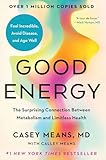
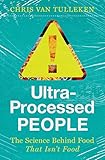
After The Obesity Code, Casey Means's Good Energy covers metabolic health as the underlying framework connecting insulin, energy, and chronic disease — extending Fung's insulin focus into a broader metabolic framework. Chris van Tulleken's Ultra-Processed People examines ultra-processed foods specifically as the primary driver of the dietary patterns Fung identifies, with compelling evidence from the primary literature. Peter Attia's Outlive provides more nuanced coverage of nutrition and longevity that contextualises Fung's approach within a broader framework.