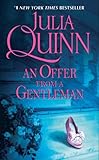
Editors Reads Verdict
Quinn's Cinderella retelling is the most structurally inventive of the early Bridgerton novels, transplanting a fairy-tale framework into a historically grounded Regency setting without losing either the magic of the source material or the social realism that makes the stakes meaningful.
What We Loved
- The Cinderella structure is deployed with genuine awareness of what the original fairy tale is really about
- Sophie is a more self-possessed and resourceful heroine than the fairy-tale template usually allows
- The class dynamics are handled with more specificity than most Regency romances manage
- Benedict is a refreshingly non-tortured Bridgerton hero — good-natured and genuinely kind
Minor Drawbacks
- The middle section, in which Sophie and Benedict circle each other without progress, loses momentum
- The villain Lady Bridgerton (stepmother) is the flattest character in the series to this point
- The finale requires a suspension of disbelief that even genre conventions strain to support
Key Takeaways
- → The stories we inherit about who belongs where are powerful precisely because they feel natural rather than imposed
- → Kindness in a person of power is not neutrality — it requires active effort against the current of privilege
- → A single meeting, if sufficiently vivid, can be a legitimate anchor for a life's longing
- → Class difference in romance is not just a practical obstacle; it changes the emotional vocabulary available to both parties
- → Fairy tales persist because their underlying anxieties — about belonging, recognition, and worthiness — never go away
| Author | Julia Quinn |
|---|---|
| Publisher | Avon Books |
| Pages | 384 |
| Published | July 1, 2001 |
| Language | English |
| Genre | Romance, Historical Romance, Fiction |
| Difficulty | Beginner |
| Best For | Romance readers drawn to fairy-tale retellings; Bridgerton series followers; readers interested in the class dimensions of Regency fiction. |
How An Offer from a Gentleman Compares
An Offer from a Gentleman at a glance against 3 similar books readers weigh alongside it.
| Book | Author | Rating | Best for |
|---|---|---|---|
| An Offer from a Gentleman (this book) | Julia Quinn | ★ 4.2 | Romance readers drawn to fairy-tale retellings |
| Pride and Prejudice | Jane Austen | ★ 4.9 | Classic Fiction |
| The Duke and I | Julia Quinn | ★ 4.1 | Romance readers |
| The Viscount Who Loved Me | Julia Quinn | ★ 4.4 | Romance readers looking for a witty, emotionally satisfying Regency story |
A Cinderella for the Regency
The masquerade ball is one of Regency fiction’s most reliable tropes, but Julia Quinn uses it with more structural intelligence than most. Sophie Beckett, the illegitimate daughter of an earl and the unpaid servant of his legitimate family, borrows a dress for one night and attends a masquerade — the one occasion in the Regency social calendar when identity can be, briefly, suspended. She dances with Benedict Bridgerton. He cannot stop thinking about her. She returns to her life, and the golden coach becomes, if not a pumpkin, something close enough to count.
The Cinderella parallel is not decorative. Quinn understands that the original tale is about the arbitrariness of social categories — about a person who possesses every quality valued by a society but lacks the single credential (birth, or in the tale’s terms, a glass slipper) that would make those qualities legible to that society.
Benedict Bridgerton
Of the Bridgerton brothers, Benedict is the least burdened by the standard romance-hero afflictions. He is not tortured, not driven by trauma, not in flight from his own emotions. He is curious, creative (painting becomes increasingly important to his character), warm with his family, and genuinely decent in his treatment of people who have no social power over him. His decency is actually the point: the novel asks what it means for a genuinely good man to operate within a social system that routinely harms people, and whether goodness is sufficient when it does not extend to challenge.
Sophie and the Problem of Recognition
What makes Sophie a more interesting Cinderella than the original is her agency. She knows exactly what she is doing at the masquerade; she makes a deliberate choice to take one night for herself and pays the cost in full awareness. When she later encounters Benedict in circumstances that should make recognition impossible, she is managing that recognition gap actively rather than passively waiting for it to close.
Her determination to maintain her position and her dignity simultaneously — without any of the magical intervention the fairy tale provides — grounds the story in social reality and makes her eventual happiness feel earned rather than gifted.
The Fairy-Tale Problem
Quinn’s most ambitious move is to examine what happens when you transplant a fairy tale into a world that runs on documentation, reputation, and legal status rather than transformation and recognition. The Regency version of the glass slipper is a legitimate birth certificate and a place on the social register. Magic does not provide these things. Quinn’s ending requires some stretch — the review community has debated whether it asks too much — but the journey through the limitations of the fairy-tale framework gives the novel a texture that lingers after the plot mechanics are forgotten.
Our rating: 4.2/5 — A charming, structurally clever Cinderella retelling that uses its source material as a lens on Regency class dynamics rather than mere decoration.
Reading Guides
- Books Like Bridgerton: 15 Historical and Contemporary Romances to Read Next
- Julia Quinn Bridgerton Books in Order: Complete Reading Guide (2026)
The Fairy-Tale Framework and Its Limits
Quinn’s use of the Cinderella story in An Offer from a Gentleman is more analytically engaged than decorative. She understands that the original tale is not simply a fantasy of elevation but a story about the arbitrariness of social classification: Cinderella has every quality valued by the society she inhabits but lacks the single credential — birth, in the original; documentation and legal status in Quinn’s Regency version — that would make those qualities legible and actionable within that society’s structures.
Sophie Beckett’s situation is precisely this: she is the illegitimate daughter of an earl, educated as her father’s ward but legally and socially positioned as nothing. She possesses the manners, education, and character of the world she has been raised in but has no right to inhabit it. The masquerade ball — the one occasion in the Regency social calendar when identity can be legitimately suspended — gives her one night in the world she belongs to by formation if not by law. Quinn takes this premise seriously rather than using it as a convenient fairy-tale setup, which is why the novel has more texture than the standard retelling.
Benedict Bridgerton and the Question of Sufficient Goodness
Benedict is the Bridgerton hero most likely to be underestimated by readers coming to his novel expecting the series’ standard emotional complications. He is not tortured, not driven by unprocessed grief, not in flight from his own emotions. He is genuinely decent, curious about the world, and kind to people who have no social leverage over him. These are not small virtues in a social world built on hierarchy and self-interest.
But Quinn’s interest in Benedict is precisely in that last quality — his treatment of people without power — and in the question of whether decency is sufficient when it does not extend to active challenge of the systems it operates within. Benedict can be kind to Sophie when he encounters her; he cannot simply decide that her lack of documentation does not matter in a world where documentation organises every significant social transaction. His eventual solution requires the novel to stretch somewhat past strict social realism, which is the trade Quinn makes to give the fairy tale its ending.
The Bridgerton Series at Its Third Entry
Published in 2001, An Offer from a Gentleman arrived as Quinn was establishing the series’ rhythms and its readership’s expectations. The Netflix Bridgerton series, which premiered in December 2020 and became one of Netflix’s most-watched shows, has adapted the first four siblings across its initial seasons — and Benedict’s story, like several of the later novels, awaits its adaptation. Julia Quinn, whose real name is Sherry Pottinger, has built a fictional Regency England that is frankly ideological in its priorities: intelligence and feeling matter more than rank, families support their members, and love eventually works. An Offer from a Gentleman is the entry that most directly interrogates those priorities by placing them against the social structures that work against them.
Frequently Asked Questions
What is "An Offer from a Gentleman" about?
A Regency Cinderella: Benedict Bridgerton dances with a mysterious masked woman at a masquerade ball and cannot forget her — but Sophie Beckett is a servant who knows their worlds can never meet.
Who should read "An Offer from a Gentleman"?
Romance readers drawn to fairy-tale retellings; Bridgerton series followers; readers interested in the class dimensions of Regency fiction.
What are the key takeaways from "An Offer from a Gentleman"?
The stories we inherit about who belongs where are powerful precisely because they feel natural rather than imposed Kindness in a person of power is not neutrality — it requires active effort against the current of privilege A single meeting, if sufficiently vivid, can be a legitimate anchor for a life's longing Class difference in romance is not just a practical obstacle; it changes the emotional vocabulary available to both parties Fairy tales persist because their underlying anxieties — about belonging, recognition, and worthiness — never go away
Is "An Offer from a Gentleman" worth reading?
Quinn's Cinderella retelling is the most structurally inventive of the early Bridgerton novels, transplanting a fairy-tale framework into a historically grounded Regency setting without losing either the magic of the source material or the social realism that makes the stakes meaningful.
Ready to Read An Offer from a Gentleman?
Check the current price on Amazon.
Check Price on Amazon (paid link)Prices and availability are subject to change. See Amazon for current price.
Review last updated: