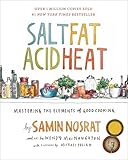
James Beard Award-winning chef Samin Nosrat teaches the four fundamental elements that make food delicious — salt, fat, acid, and heat — and how to use them to cook confidently without recipes.
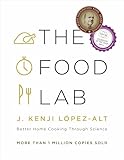
J. Kenji López-Alt's landmark culinary science book explains the science behind everyday cooking and provides hundreds of recipes built on tested, proven techniques.
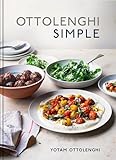
Yotam Ottolenghi's most accessible cookbook — recipes designed to be simple without sacrificing the bold flavours and ingredient combinations that define his cooking.
The comprehensive American cooking bible — first published in 1931, continuously revised ever since, and still the most trusted and comprehensive home cooking reference ever produced.
London chefs Yotam Ottolenghi and Sami Tamimi — one Jewish Israeli, one Palestinian Muslim — grew up on opposite sides of Jerusalem and share a profound love for the same city's food. Their cookbook is both a culinary journey and a remarkable act of cultural bridge-building.
Ottolenghi's groundbreaking vegetable cookbook that transformed how the culinary world thinks about vegetables — not as sides or afterthoughts but as the full expression of a meal.
Tamar Adler's extraordinary collection of essays on cooking with economy, intelligence, and pleasure — a book about cooking philosophy as much as cooking technique.
Ina Garten's debut cookbook presents the beloved recipes from her Hamptons food shop — elegant, approachable food for people who want to cook well without being professional chefs.
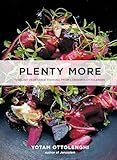
The follow-up to Ottolenghi's game-changing Plenty, featuring more vegetable-focused recipes that combine Middle Eastern, Mediterranean, and Asian influences with his signature bold flavours.
David Chang's memoir and cookbook tells the story of how a Korean-American chef opened a ramen shop with almost no money and built one of the most influential restaurant empires in American culinary history.