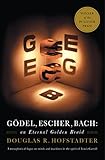
A Pulitzer Prize-winning exploration of how consciousness, self-reference, and meaning emerge from formal systems, through the intertwined work of a mathematician, an artist, and a composer.
James Gleick traces the history of information from African talking drums through Claude Shannon's information theory to the digital deluge of the modern age.
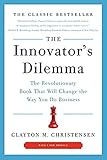
Why great companies can do everything right and still lose market leadership — and how new entrants use disruptive innovation to topple industry leaders.
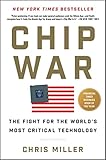
Economic historian Chris Miller traces the history of the semiconductor industry from the invention of the transistor to the US-China technology war, showing how computer chips became the defining resource of the twenty-first century.
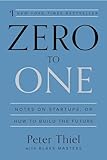
Peter Thiel — PayPal co-founder, first outside Facebook investor — argues that true progress comes from creating something genuinely new (0 to 1), not copying what already works (1 to n). A contrarian framework for building companies that matter.
Intel CEO Andrew Grove introduces the concept of strategic inflection points — moments when the fundamentals of a business are changed by forces beyond its control — and explains how leaders can recognize and navigate them.
The definitive guide to modern technology product management — how the best product teams at companies like Amazon, Google, and Netflix discover and deliver products that customers love.
A comprehensive framework for understanding and building network effects — the most powerful and most misunderstood force in technology — from a partner at Andreessen Horowitz who has studied them across dozens of companies.