Kazuo Ishiguro is a Nobel Prize–winning British author whose restrained, melancholy novels explore memory, self-deception, and the stories we tell ourselves to endure loss.
Born in Nagasaki and raised in England from the age of five, Kazuo Ishiguro occupies a distinctive position in world literature — shaped by two cultures, fully at home in neither, and endlessly interested in the gap between experience and how we narrate it afterward. His prose style is widely regarded as one of the most recognizable in contemporary fiction: quiet, formal, and scrupulously polite on the surface, with devastating implications building underneath. He won the Nobel Prize in Literature in 2017.
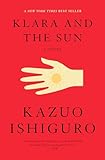
The Remains of the Day, his most celebrated novel, gives us Stevens, an aging English butler who reviews his life’s devotion to a disgraced employer and discovers that professional loyalty has cost him everything that might have mattered personally. The restraint of the narration mirrors the restraint of the man, and the tragic irony is all the more powerful for never being stated outright. Never Let Me Go pushes into speculative territory — its characters are clones raised to donate their organs — but the horror is muted by the same careful voice, the same insistence on accepting the unacceptable. Klara and the Sun, his most recent novel, is narrated by an artificial friend observing human love and mortality with luminous attentiveness.
Critics occasionally find Ishiguro’s emotional reticence frustrating, arguing that the cool surface keeps readers at arm’s length from genuine feeling. That critique misunderstands the point: the gap between what his narrators say and what they have lost is precisely where his novels live. He is one of the few writers working today whose entire body of work rewards rereading.
A Nobel Laureate of Quiet Power
Kazuo Ishiguro remains one of the most distinguished novelists of his generation, a British author of Japanese birth whose subtle, restrained, and deeply moving fiction earned him the Nobel Prize in Literature. Renowned for his masterful control of tone, his use of unreliable and self-deceiving narrators, and his exploration of memory, regret, and the passage of time, Ishiguro has produced a body of work of remarkable consistency and emotional depth. His novels, varied in setting and genre yet unified by their preoccupations and their quiet, precise artistry, have secured his place among the essential writers of contemporary literature.
The Remains of the Day
Ishiguro’s most celebrated novel, the Booker Prize-winning The Remains of the Day, exemplifies his art at its finest. Narrated by an English butler reflecting on a lifetime of service and the personal feelings he has suppressed in the name of duty and dignity, the novel is a profound and quietly devastating study of repression, missed opportunity, and self-deception. Through the butler’s restrained, evasive narration, Ishiguro reveals the tragedy beneath a life of dutiful service, and the result is rightly counted among the most admired and beloved novels of recent decades, a masterpiece of understatement and emotional power.
The Unreliable Narrator
A defining feature of Ishiguro’s fiction is his use of narrators who deceive themselves as much as the reader. His characters frequently look back on their lives, attempting to justify or make sense of their choices, and the gap between what they claim and what the reader perceives becomes the source of the novel’s meaning and emotion. This technique of subtle, gradual revelation, in which the truth emerges through the cracks in a narrator’s self-presentation, is central to Ishiguro’s method and gives his work its quiet, accumulating power and its profound psychological insight.
Memory and Regret
Ishiguro returns repeatedly to the themes of memory, time, and regret, exploring how individuals remember and misremember their pasts, and how they live with the consequences of choices made and chances lost. His novels are suffused with a sense of elegy and loss, with characters reckoning with what they have done and failed to do, and with the impossibility of recovering the past. This sustained meditation on the workings of memory and the weight of regret gives his fiction its emotional depth and its universal resonance, speaking to the experience of looking back on a life.
Range and Versatility
Though his concerns remain consistent, Ishiguro has shown remarkable range in the settings and genres of his work. He has written about postwar Japan, an English country house between the wars, a dreamlike European city, a dystopian world of human clones in Never Let Me Go, a mythical Arthurian Britain in The Buried Giant, and a future of artificial intelligence in Klara and the Sun. This willingness to move across genres and periods, while retaining his distinctive voice and themes, demonstrates a restless artistic curiosity and has kept his body of work surprising and varied.
Restraint and Emotion
The hallmark of Ishiguro’s style is its restraint, and his quiet, controlled, understated prose is the vehicle for emotion of great power. He achieves his effects not through display or intensity but through subtlety, implication, and the careful management of what is left unsaid, trusting the reader to feel the depths beneath the calm surface. This artful understatement, which makes the eventual emotional impact all the more devastating, is central to his achievement, and it gives his novels their characteristic atmosphere of melancholy beauty and their lasting hold on the reader.
Kazuo Ishiguro’s Reputation Endures
Kazuo Ishiguro’s contribution to literature has been recognised with the Nobel Prize and a wide and devoted readership, and his influence lies in his demonstration of how much emotional and moral weight quiet, restrained fiction can carry. For newcomers, The Remains of the Day is the essential starting point, with the haunting Never Let Me Go offering an equally powerful and more speculative entry into his work. For readers seeking subtle, profound, and deeply affecting fiction about memory, regret, and the quiet tragedies of ordinary lives, Ishiguro is one of the most rewarding and masterful novelists of our time.
Beyond the Best-Known Works
To explore further, consider The Unconsoled and A Pale View of Hills.
Reading Guides