Books Like Klara and the Sun: 10 Literary Sci-Fi Novels
Books like Klara and the Sun by Kazuo Ishiguro — 10 literary science fiction novels about AI, memory, and humanity, from Never Let Me Go to Frankenstein, with where to start.
Kazuo Ishiguro’s Klara and the Sun is science fiction in the gentlest, most literary key. Narrated by Klara, an “Artificial Friend” who observes the human world with tender, uncomprehending attention, it uses a speculative premise to ask Ishiguro’s eternal questions — about love, sacrifice, faith, and what makes a life worth living. If its quiet devastation stayed with you and you want more fiction that uses science-fiction ideas to explore the deepest human themes, these ten novels deliver.
Here is a quick comparison, followed by where to start with each.
Books Like Klara and the Sun at a Glance
| Book | Author | Why read it |
|---|---|---|
| Never Let Me Go | Kazuo Ishiguro | Ishiguro’s other speculative masterpiece |
| Machines Like Me | Ian McEwan | A love triangle with an artificial human |
| The Buried Giant | Kazuo Ishiguro | Memory and loss in a misty fable |
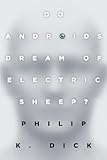
| Do Androids Dream of Electric Sheep? | Philip K. Dick | The classic on what makes us human |
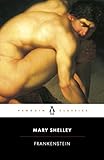
| Frankenstein | Mary Shelley | The original created being seeking love |
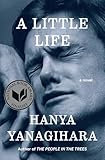
| A Little Life | Hanya Yanagihara | Devastating literary emotion |
| Piranesi | Susanna Clarke | A haunting, tender literary puzzle |
| The Remains of the Day | Kazuo Ishiguro | Ishiguro’s masterpiece of quiet regret |
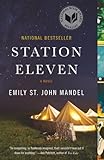
| Station Eleven | Emily St. John Mandel | Lyrical, humane speculative fiction |
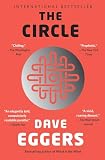
| The Circle | Dave Eggers | The human cost of technology |
What These Novels Share
The thread connecting these books is not robots or the future but a single question: what makes a consciousness human? Ishiguro uses Klara’s artificial, observing mind to explore love, faith, and mortality, and the best read-alikes do something similar — they borrow a speculative premise to ask an old, deep question rather than to predict technology. McEwan, Dick, and Shelley put created or artificial beings at the centre and ask whether they can love and be loved, and what we owe them. Yanagihara, Clarke, and Mandel work in a more literary register, using strangeness, isolation, and loss to illuminate what we value. And Ishiguro’s own non-genre masterpiece, The Remains of the Day, proves that the questions were always there beneath the science fiction. Choose by how much speculative apparatus you want — from the overtly futuristic to the quietly literary — and each will reward you with the same melancholy, humane intelligence that makes Klara so moving.
More Kazuo Ishiguro
The closest books to Klara and the Sun are the rest of Ishiguro’s quietly devastating body of work.
Never Let Me Go by Kazuo Ishiguro
Ishiguro’s other great speculative novel follows three friends at a mysterious English boarding school whose true purpose unfolds with heartbreaking restraint. The closest companion to Klara in both premise and emotional power.
The Buried Giant by Kazuo Ishiguro
A misty, Arthurian fable about an elderly couple, a forgetting mist, and the fragility of memory and love. Stranger than Klara but suffused with the same tenderness and melancholy.
The Remains of the Day by Kazuo Ishiguro
Ishiguro’s Booker-winning masterpiece, narrated by a butler reckoning too late with a wasted life. No science fiction here, but the same unreliable, self-deceiving voice and quiet devastation that make Klara unforgettable.
Thoughtful Fiction About AI and Humanity
These four use artificial beings to ask what makes us human.
Machines Like Me by Ian McEwan
McEwan’s novel drops a synthetic human into a love triangle in an alternate-history London, probing consciousness, morality, and love. The closest non-Ishiguro match for Klara’s central questions.
Do Androids Dream of Electric Sheep? by Philip K. Dick
The 1968 classic behind Blade Runner asks whether artificial beings can feel, and what empathy is worth. A foundational text for any reader drawn to Klara’s artificial perspective.
Frankenstein by Mary Shelley
The original story of a created being who longs for love and belonging. Klara’s tender, observing consciousness has a direct ancestor in Shelley’s creature — read it to see where the conversation began.
The Circle by Dave Eggers
Eggers’s chilling satire of a powerful tech company examines surveillance, connection, and the cost of technology on the human soul. A sharper, more contemporary angle on Klara’s quiet anxieties.
Literary Devastation and Wonder
Finally, three novels that share Klara’s emotional and lyrical power.
A Little Life by Hanya Yanagihara
A harrowing, unforgettable novel of friendship and trauma. More overwhelming than Klara’s restraint, but for readers who want the emotional undertow pushed to its limit.
Piranesi by Susanna Clarke
A slim, strange, beautiful novel about a gentle soul living in an infinite house. Like Klara, its tender, uncomprehending narrator slowly reveals a heartbreaking truth.
Station Eleven by Emily St. John Mandel
A lyrical, humane novel about art and survival after a pandemic. It shares Klara’s faith that beauty and connection are what make us human, told with the same quiet grace.
Where to Start
For more of the same Ishiguro magic, read Never Let Me Go. For AI and humanity, go to Machines Like Me or Do Androids Dream of Electric Sheep?. For the original created being, read Frankenstein. And for lyrical, humane wonder, pick Station Eleven. Any of these ten will give you what Klara and the Sun does best: the use of a speculative idea to break your heart with a very human truth. For more, see our authors like Kazuo Ishiguro guide, our Klara and the Sun vs Never Let Me Go comparison of his two speculative novels, and our best contemporary science fiction roundup.
Frequently Asked Questions
What should I read after Klara and the Sun?
Start with more Ishiguro — Never Let Me Go is his other great work of speculative literary fiction, sharing Klara's quiet devastation. Then Ian McEwan's Machines Like Me, about an artificial human and the people who love it, and Philip K. Dick's Do Androids Dream of Electric Sheep?, the classic that asks what makes us human, are the essential next reads.
What books are similar to Klara and the Sun about artificial intelligence?
For more thoughtful fiction about AI and what it means to be human, try Ian McEwan's Machines Like Me, Philip K. Dick's Do Androids Dream of Electric Sheep?, and Mary Shelley's Frankenstein — the original story of a created being seeking love and meaning. Dave Eggers's The Circle explores the human cost of technology from a different angle.
Is Klara and the Sun science fiction or literary fiction?
It is both — Kazuo Ishiguro uses a science-fiction premise (an artificial 'Friend' observing human life) to explore deeply literary themes of love, sacrifice, and mortality. The books on this list share that blend, especially Never Let Me Go, Machines Like Me, and Station Eleven, which all use speculative ideas to ask profound human questions.